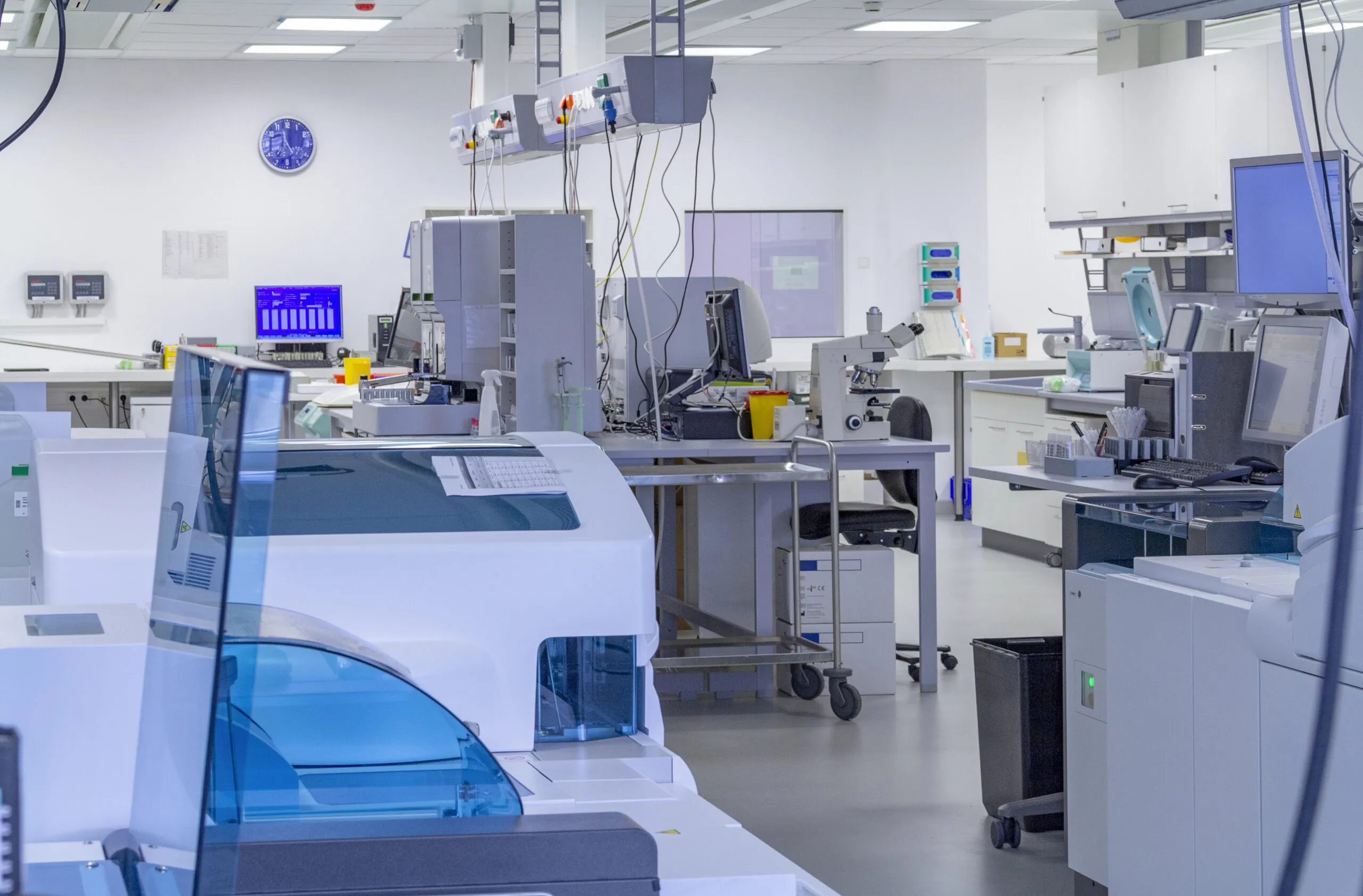
Integrating a Ducted Dehumidifier with Existing HVAC
How to connect a ducted dehumidifier to existing HVAC ductwork. Covers integration configurations, sizing, controls, and common retrofit mistakes.
8 Minute Read
Resources
Get informed with our expert resources, including product documentation, industry articles, and application advice to support your decision-making.
How to connect a ducted dehumidifier to existing HVAC ductwork. Covers integration configurations, sizing, controls, and common retrofit mistakes.
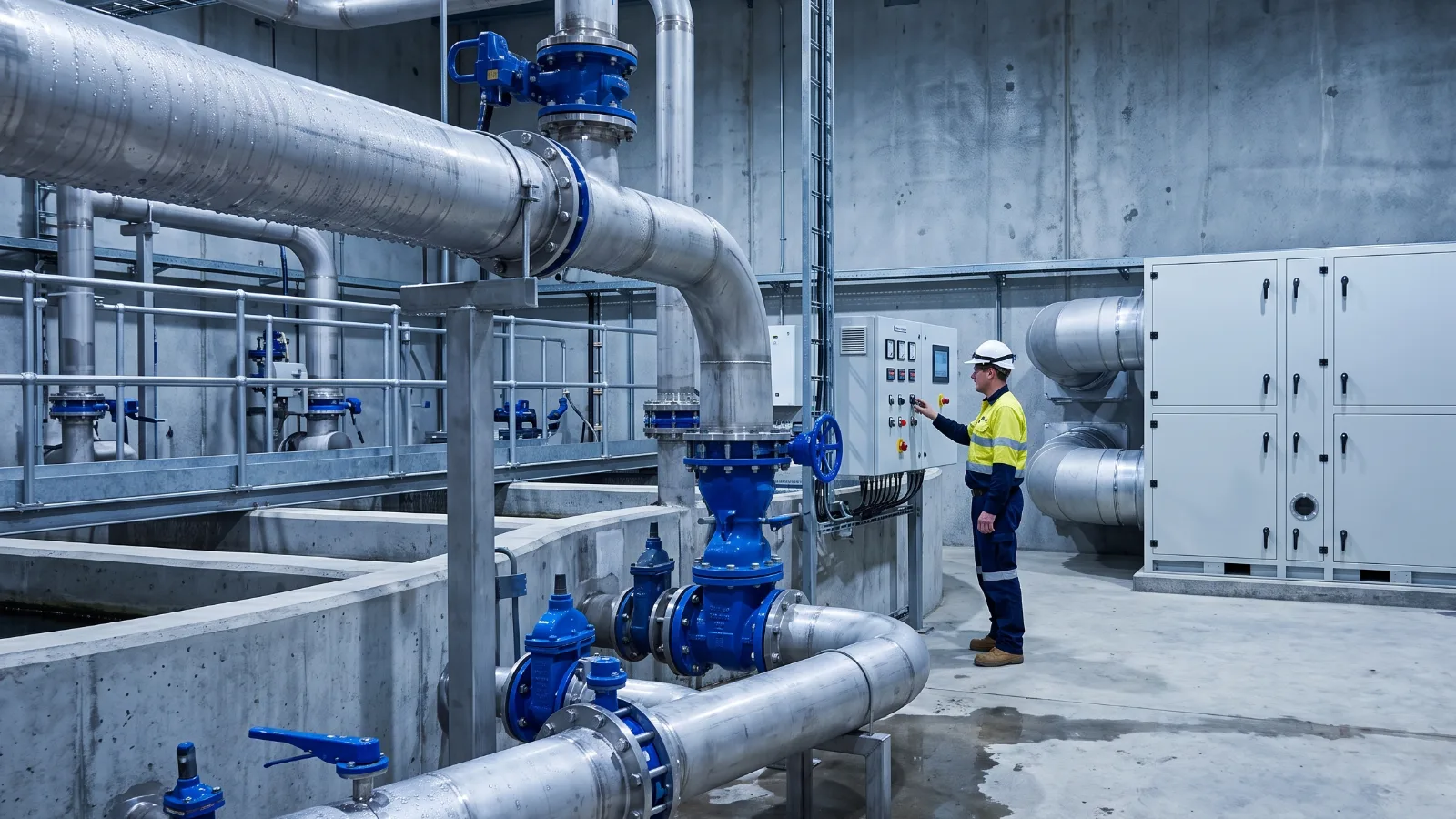
Water treatment plants face persistent condensation on cold pipes, pumps, and tanks. Learn which zones need dehumidification, how to choose between desiccant and refrigerant units, and how to size a system for your facility.

Ultrasonic humidifiers maintain cellar humidity between 60% and 75% RH, cutting wine barrel evaporation losses by half compared to uncontrolled barrel rooms.
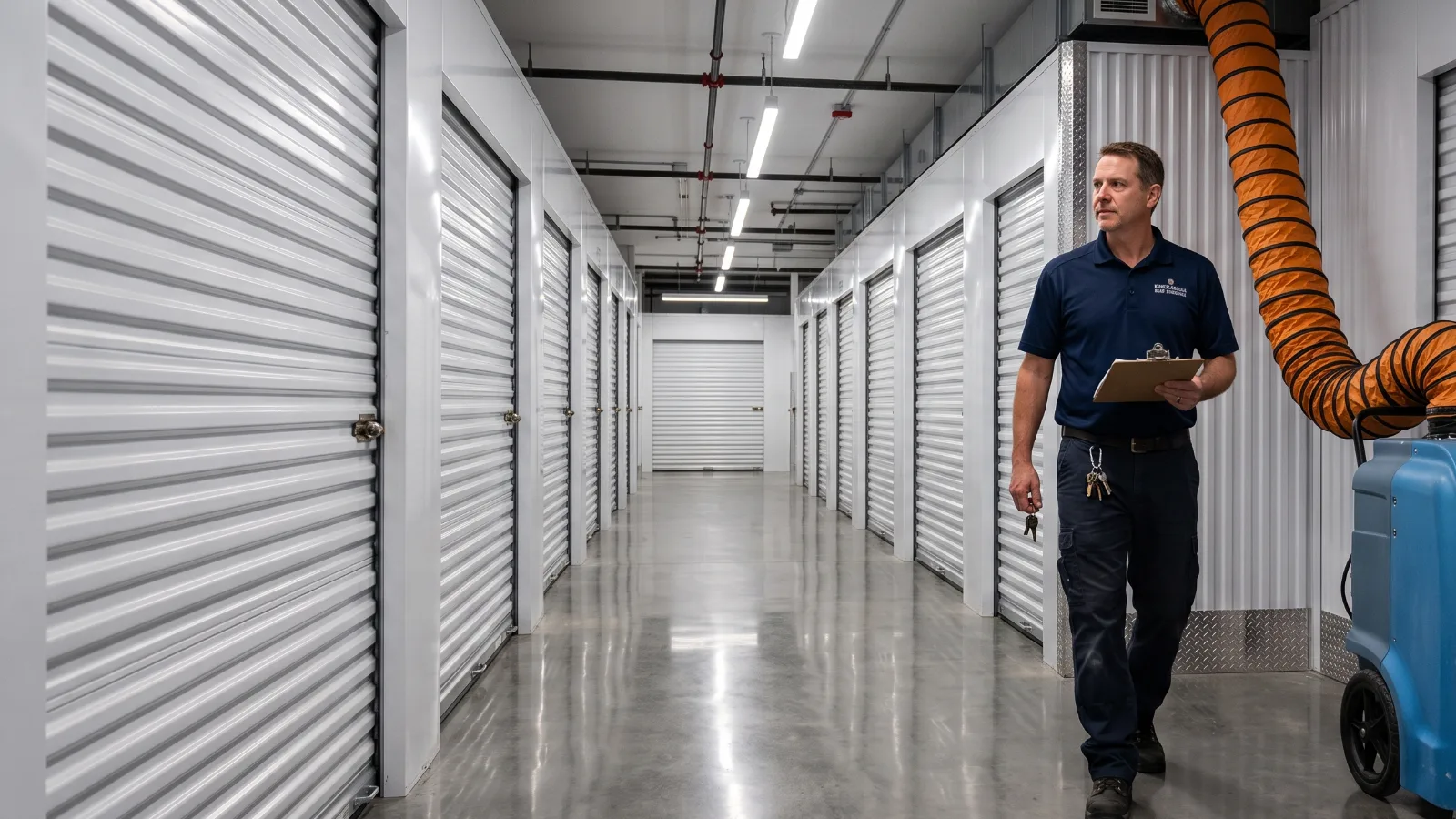
Self storage facilities in Australia face high ambient humidity that causes mould, corrosion, and tenant complaints. Learn how desiccant, refrigerant, and ducted dehumidification systems protect stored goods and boost rental premiums.
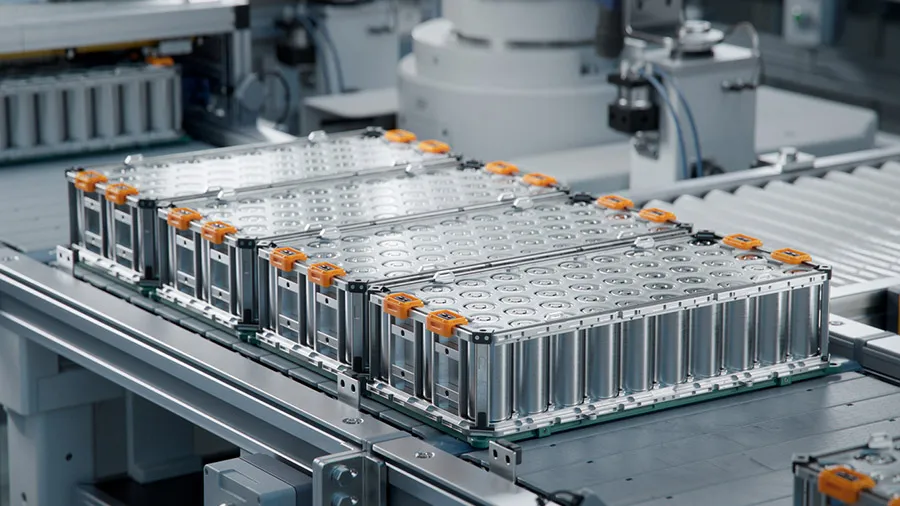
Ultrasonic humidifiers prevent electrostatic discharge in electronics assembly by maintaining 40-60% relative humidity across production floors.

Refrigerant dehumidifiers handle commercial basements above 15 degrees C. Below that threshold, desiccant technology takes over. Sizing and install guide.
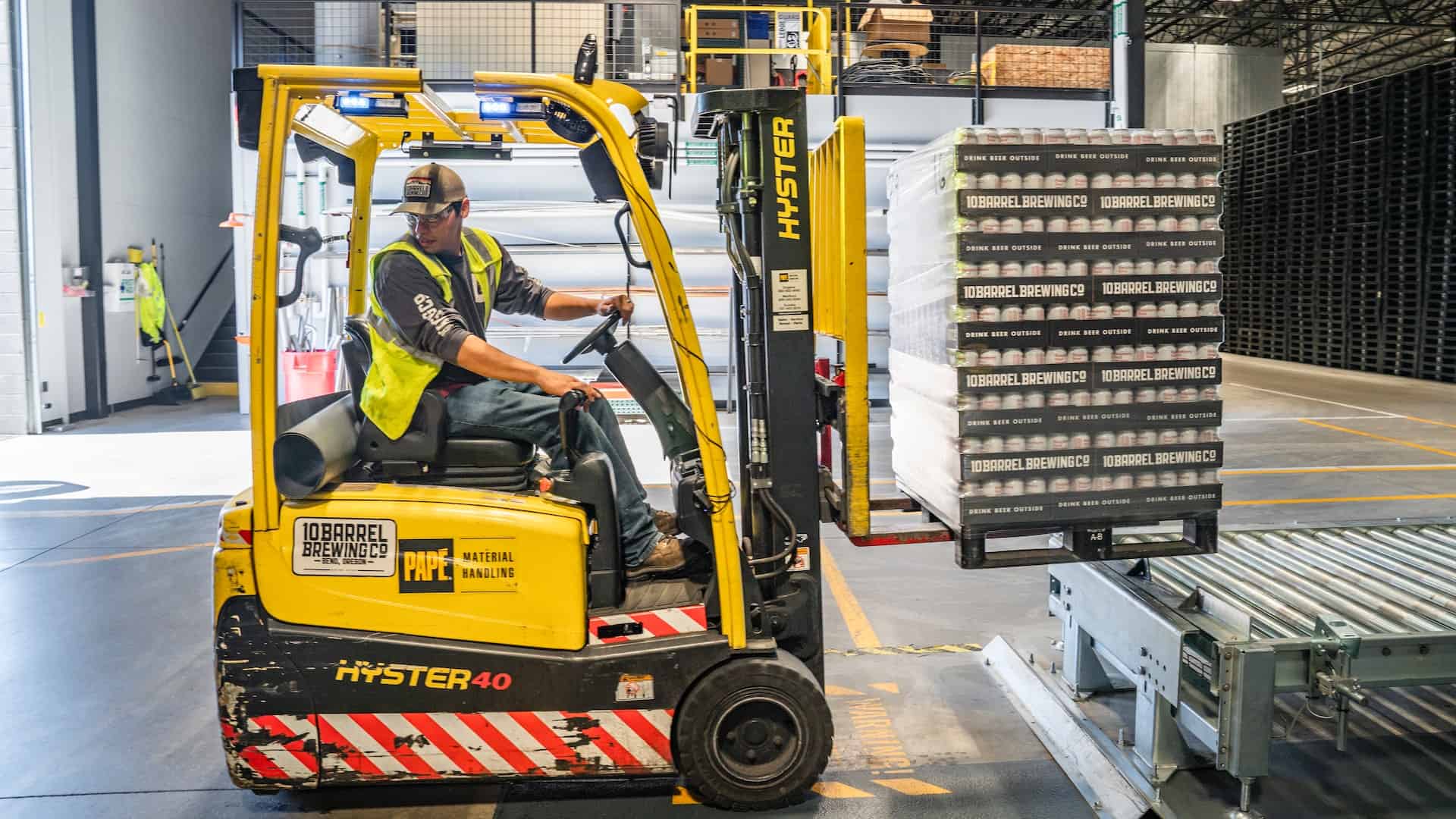
Industrial dehumidifiers accelerate construction drying, reducing concrete curing delays and preventing moisture-related flooring failures on new builds.
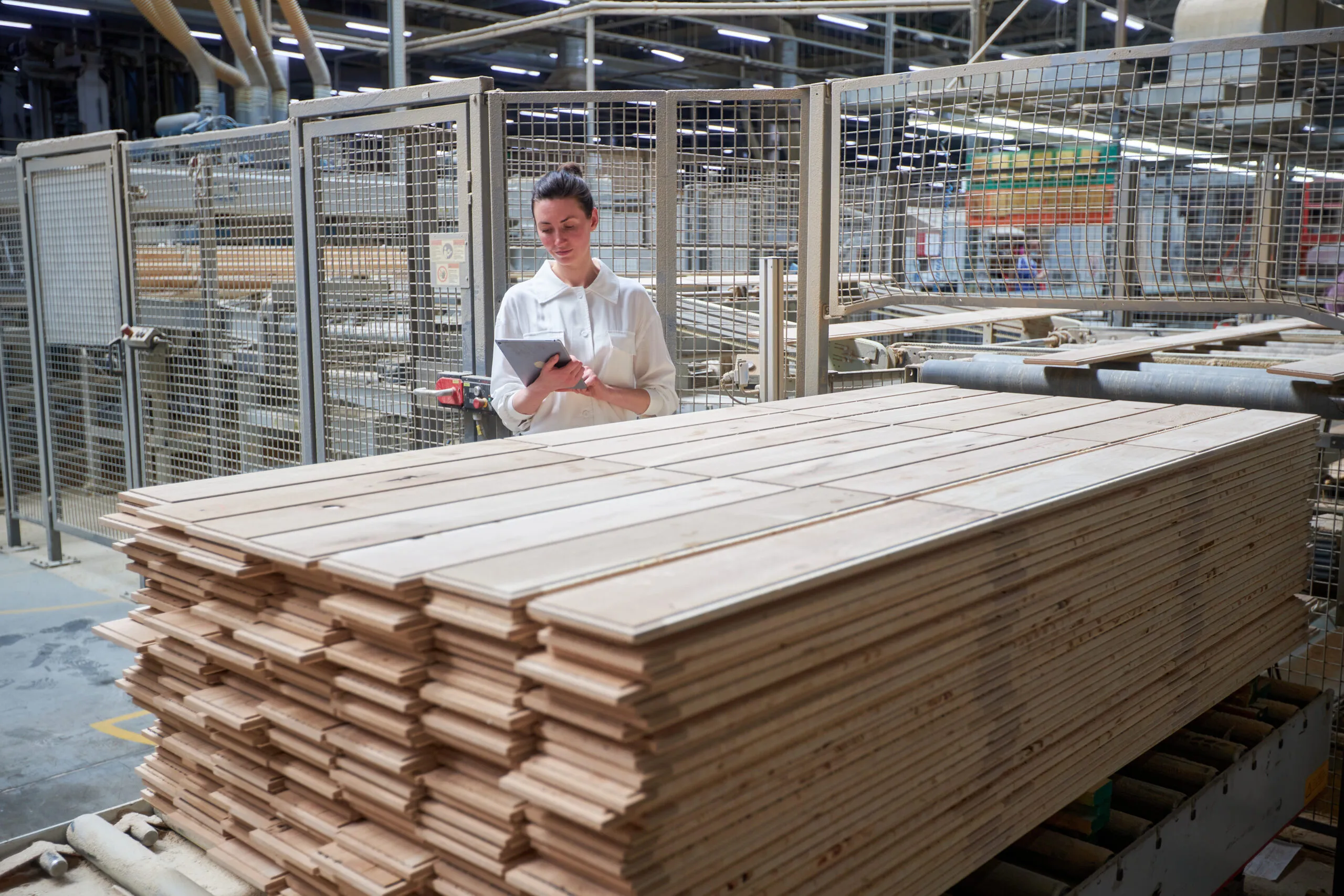
Industrial dehumidifier noise depends on unit type, capacity and installation. This guide covers noise levels by technology and how to reduce impact on your site.
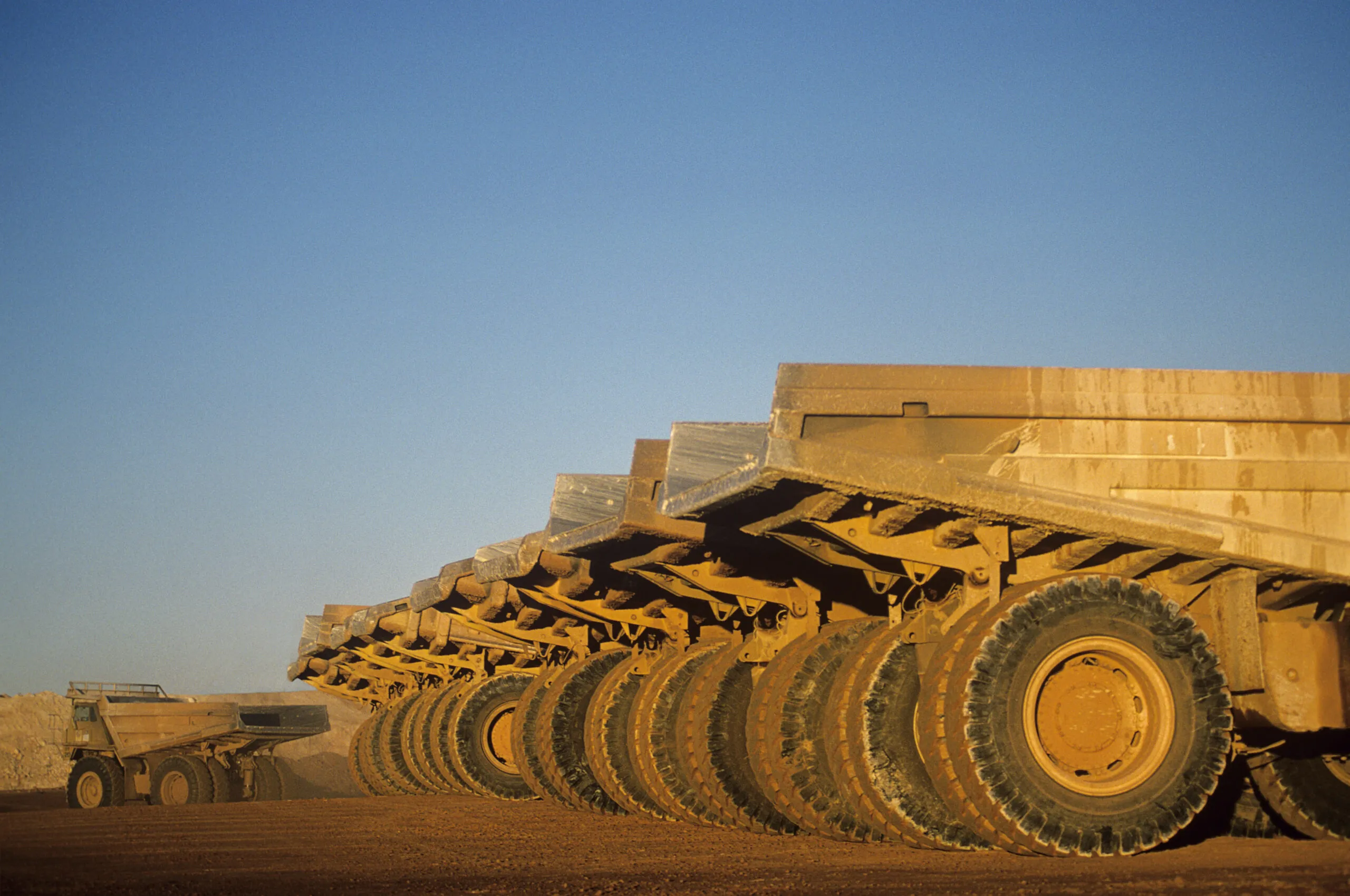
Idle mining equipment, spare parts, and underground storage facilities are vulnerable to corrosion and moisture damage. Desiccant dehumidifiers maintain protective conditions regardless of temperature or location.
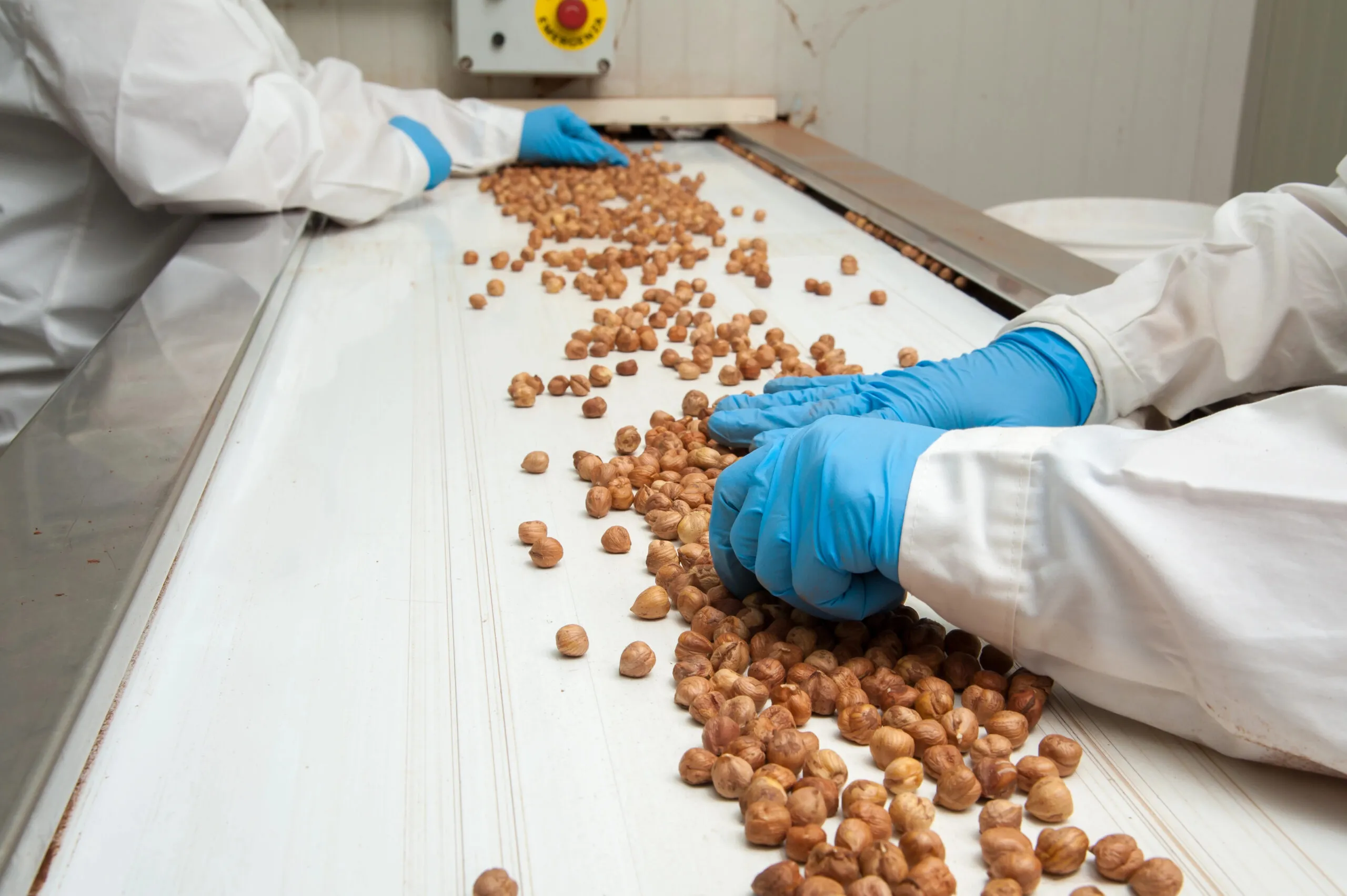
Desiccant dehumidifiers deliver the 15% to 30% RH that commercial food drying demands. Here is how they work and what to look for.
Ice rinks create extreme humidity challenges that refrigerant dehumidifiers cannot handle. Desiccant units maintain performance at the low air temperatures above ice surfaces, preventing fog, ceiling condensation, and ice quality problems.

How ducted dehumidification systems protect hotels and aged care facilities from moisture damage, mould growth and poor indoor air quality.
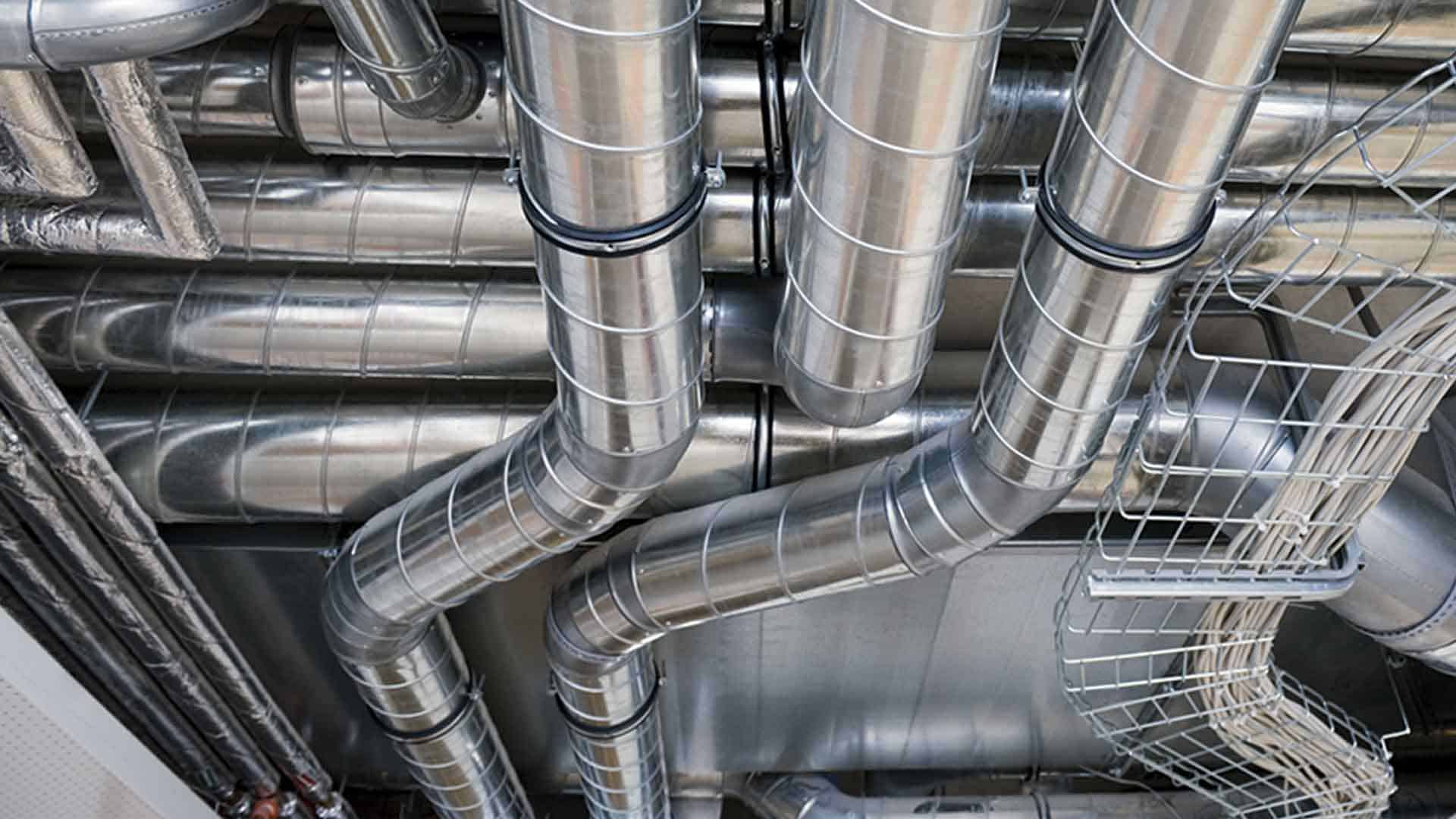
Ducted dehumidifiers suit permanent facilities needing uniform humidity control. Portable units suit temporary projects and smaller spaces. Here is how to decide.
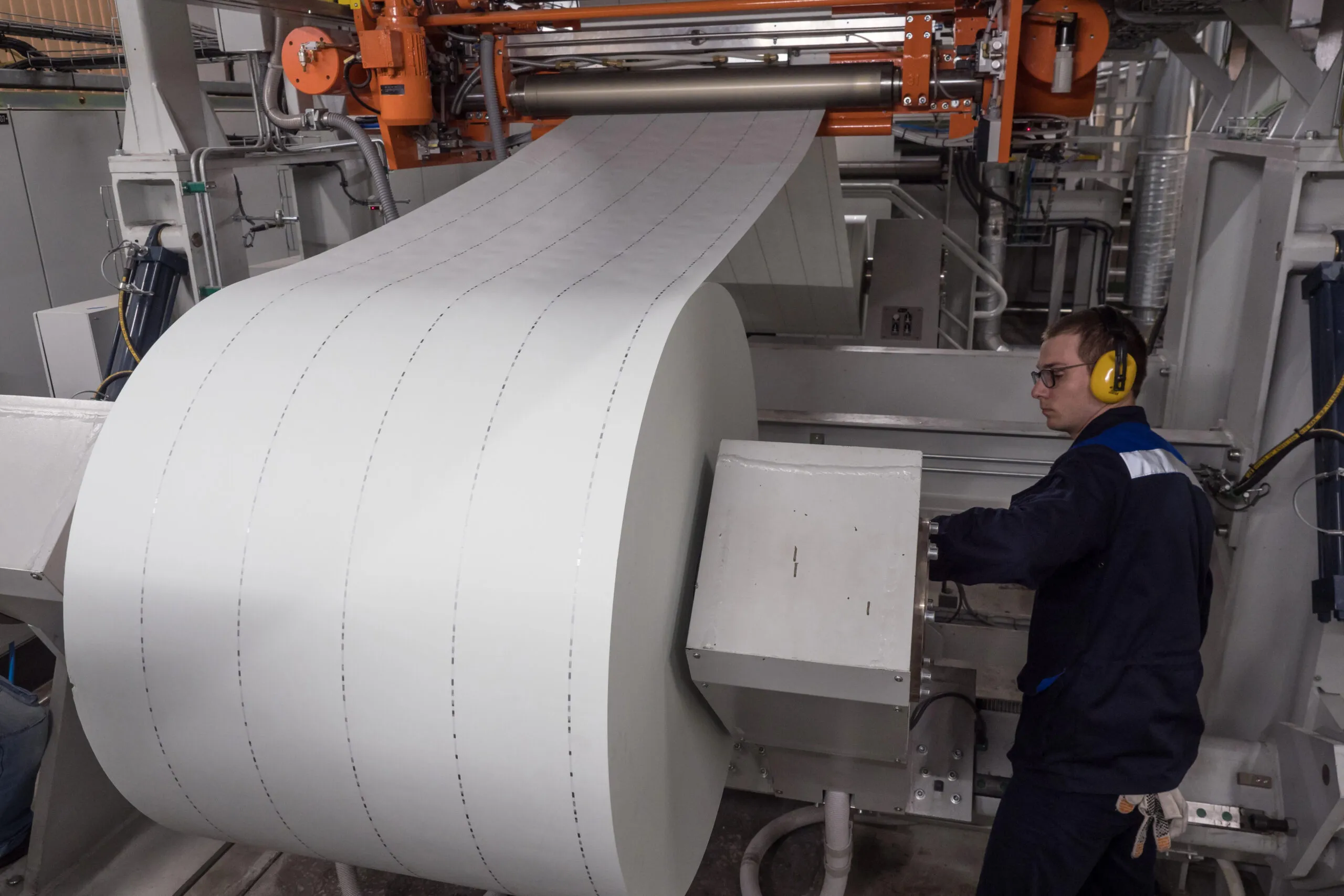
Low humidity causes static buildup, paper curl, and misfeeds in commercial printing. Ultrasonic humidifiers solve these paper handling problems without wetting surfaces.
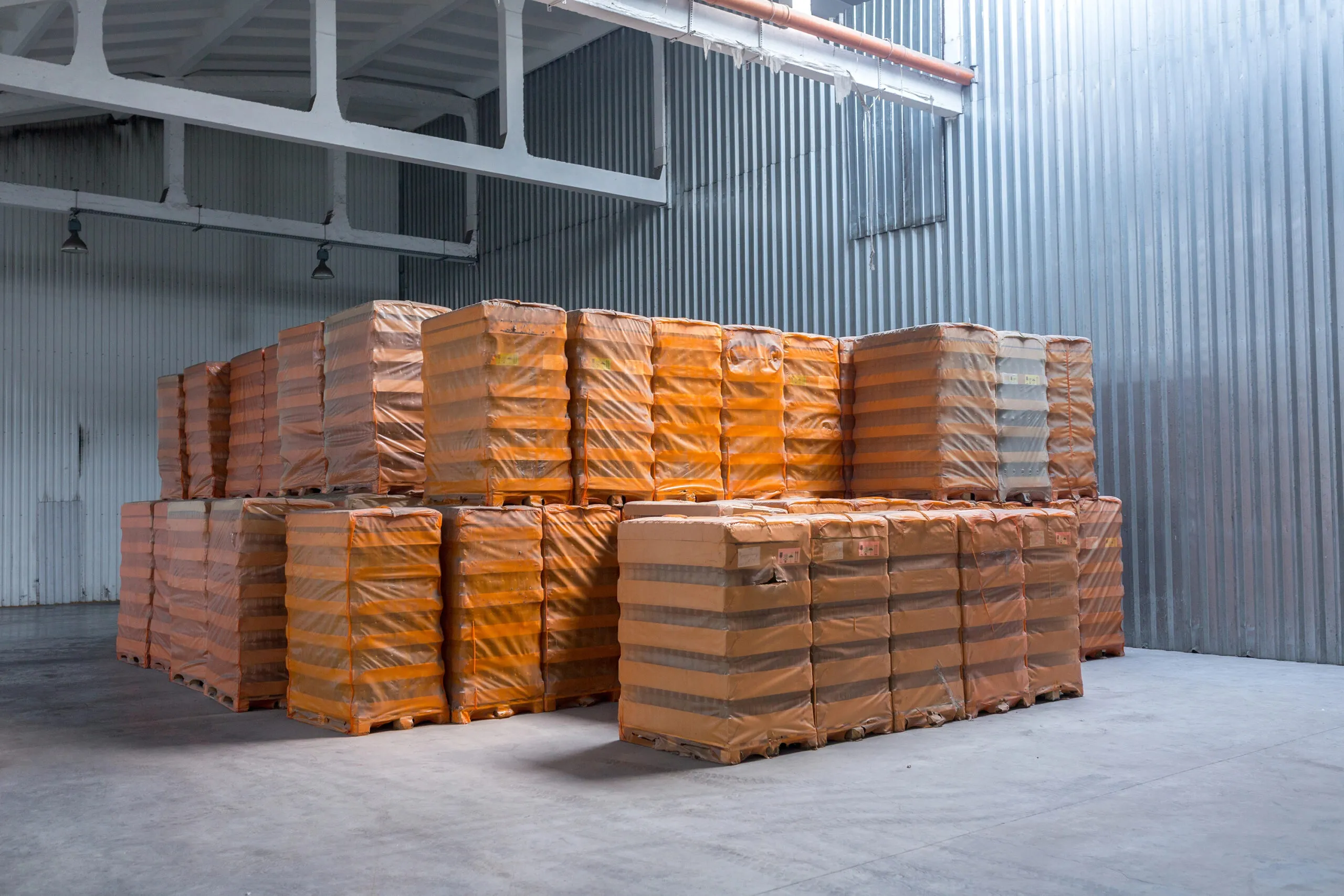
Ultrasonic humidifiers stop fresh produce losing weight and quality in cold storage. Covers humidity targets, installation, and produce requirements.

Ultrasonic humidifiers deliver the precision humidity control that commercial cigar humidors demand. This guide covers how the technology works, why it outperforms passive systems, and what to specify for walk-in humidors and tobacco storage facilities.
Refrigerant dehumidifiers are the practical choice for commercial laundries where temperatures stay above 20°C and moisture loads run high all shift.

Gymnasium dehumidification protects timber floors and improves air quality. Learn which unit type suits sports halls and how to get the sizing right.
A practical guide to connecting industrial dehumidifiers to your BMS using BACnet, Modbus, analogue signals and relay outputs for centralised humidity monitoring.
How to plan N+1 redundancy for industrial dehumidifiers, covering sizing, failover configuration, and which facilities need backup humidity control.
How industrial dehumidifiers speed up water damage restoration in commercial and industrial buildings, with guidance on desiccant vs refrigerant selection and unit sizing.
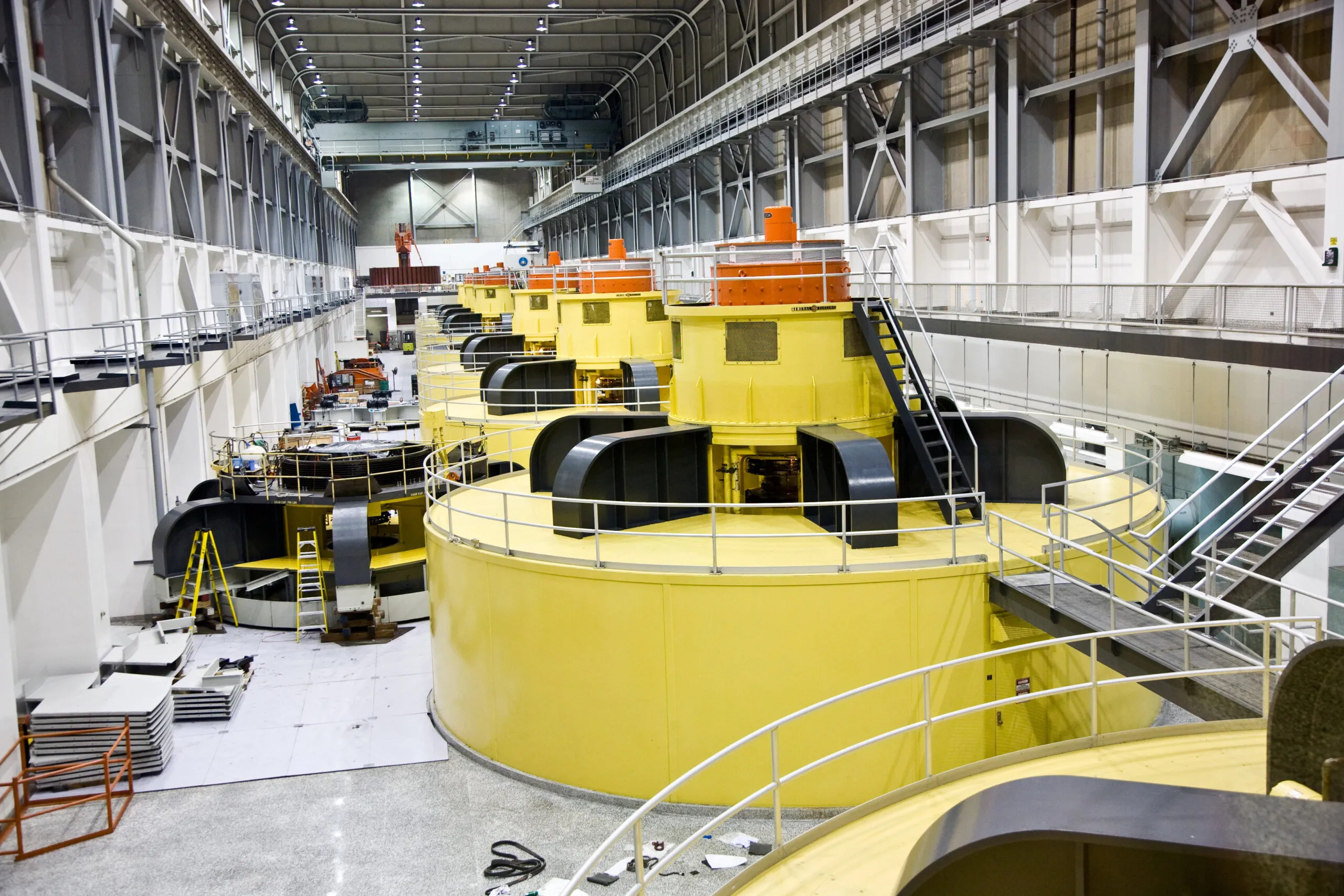
Desiccant dehumidifiers prevent corrosion by holding relative humidity below critical thresholds. Sizing, applications, and ROI for Australian facilities.

Desiccant dehumidifiers are the standard for pharmaceutical manufacturing humidity control. They reach lower dew points than refrigerant units and operate reliably in cold environments.
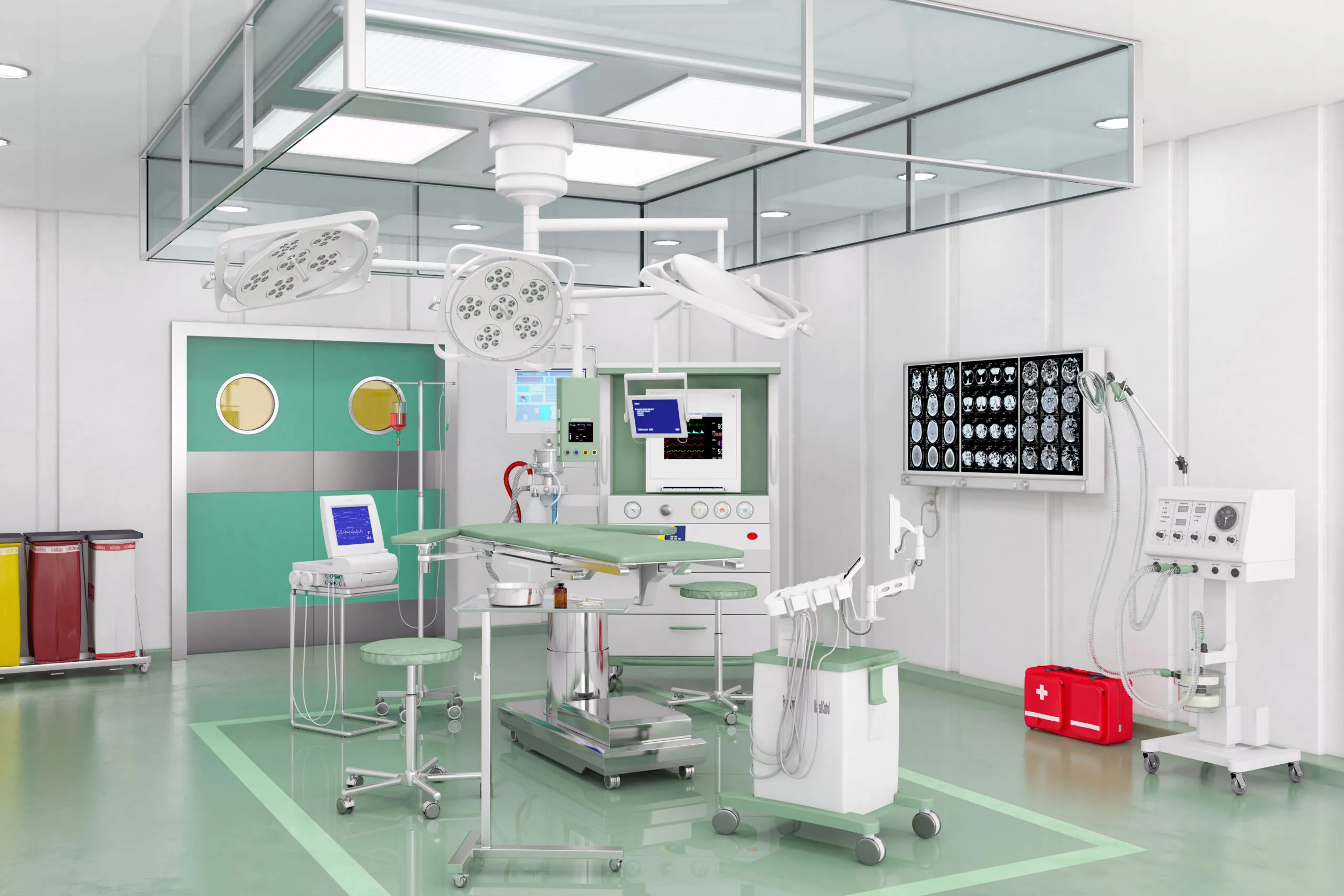
Complete maintenance schedule for commercial desiccant dehumidifiers. Covers wheel cleaning, filter replacement and service intervals for facility managers.
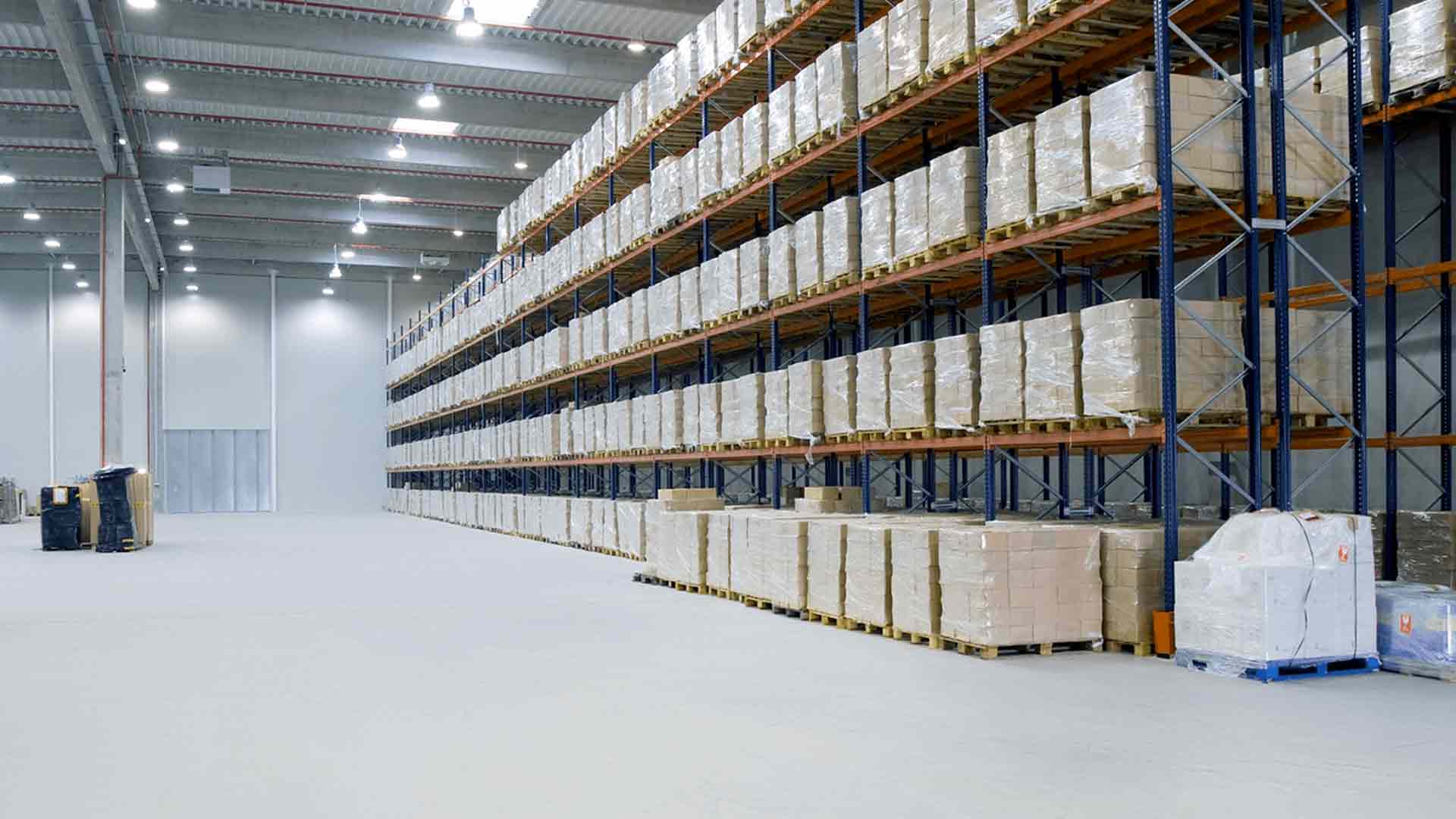
Desiccant dehumidifiers operate from -20°C to +50°C, making them the only reliable option for cold storage environments below 15°C.

A guide to choosing the right dehumidifier for data centre humidity control, covering ASHRAE standards, sizing and desiccant vs refrigerant technology.
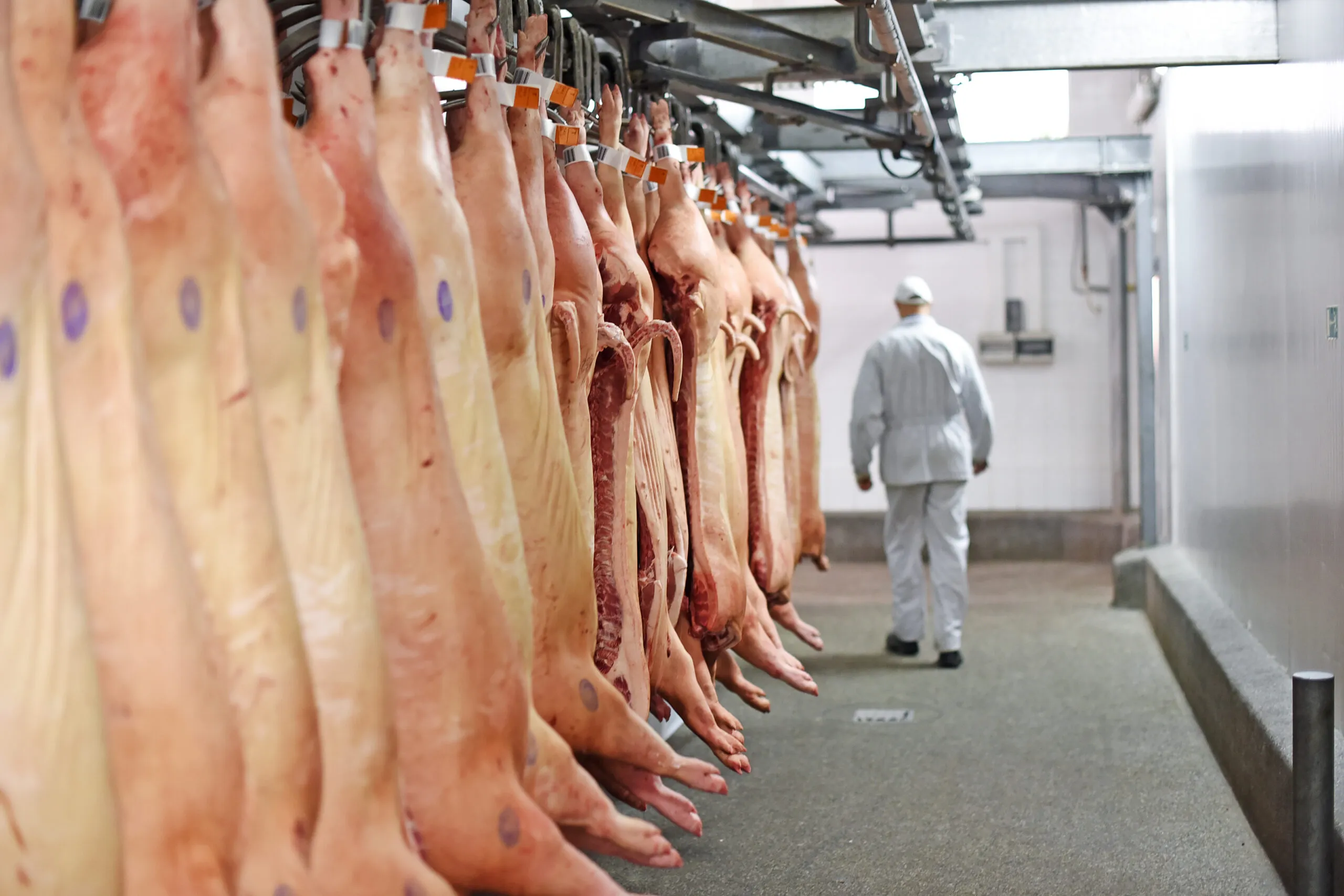
Humidity control in food processing prevents condensation, spoilage and FSANZ compliance failures. Here is what facility managers need to know.
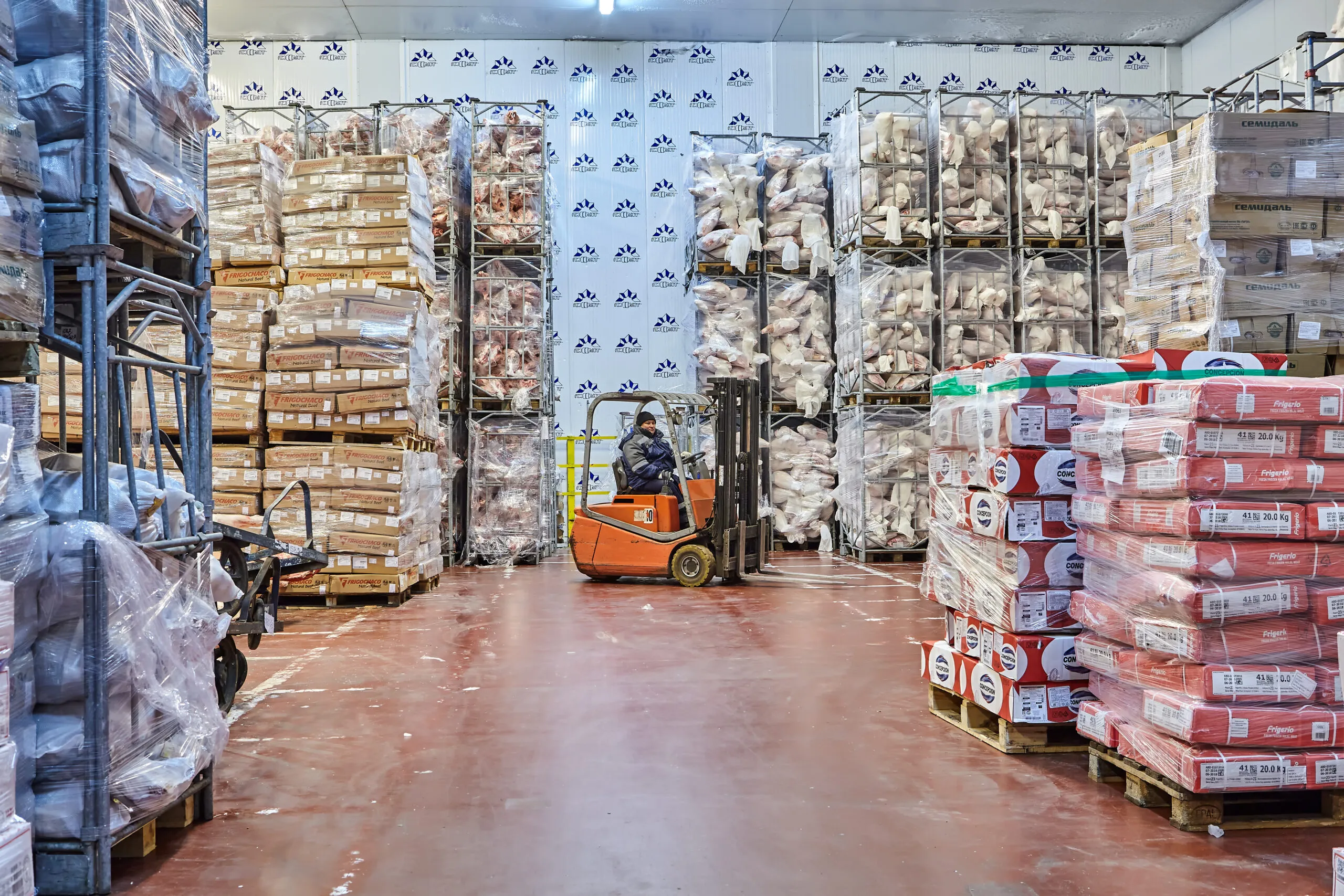
Refrigerant dehumidifiers fail below 15°C. Learn which cold room dehumidifier technology works in Australian conditions and how to size it.
Warehouse humidity control protects stock, equipment and structural integrity. The right system depends on your climate zone and what you store.
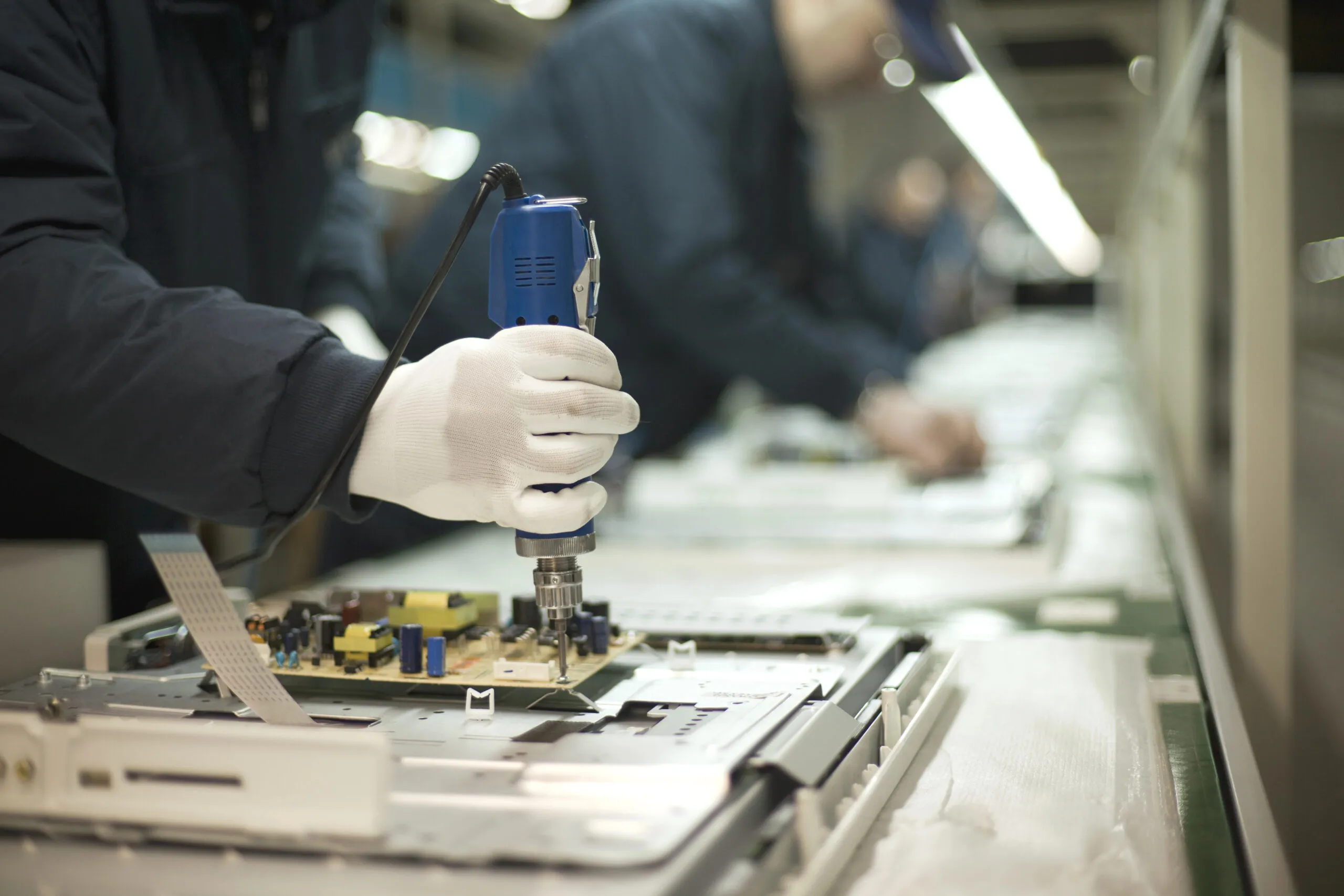
Commercial and industrial dehumidifiers look similar on the spec sheet but are built for very different jobs. Here is how they differ and how to choose.
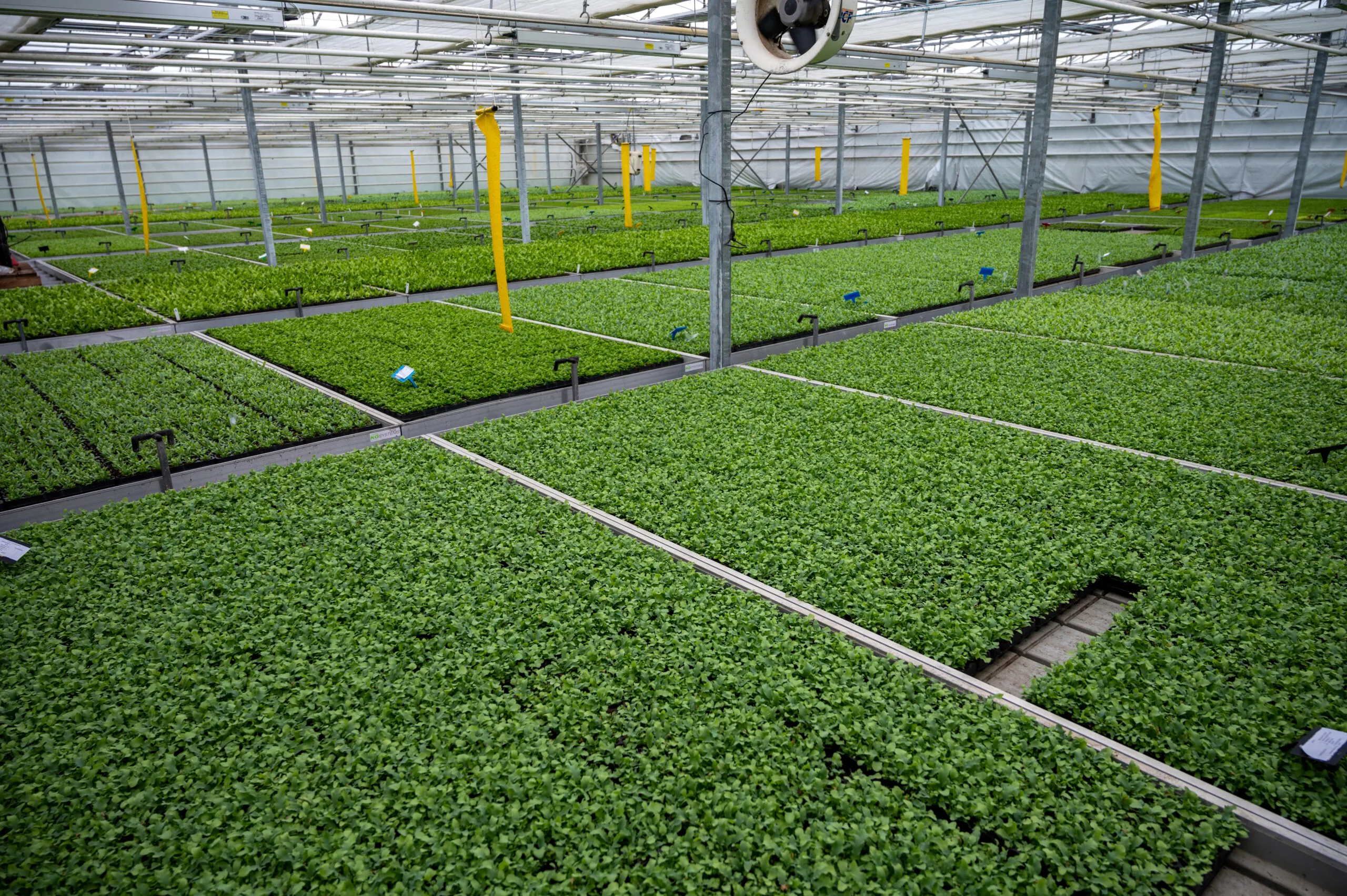
Ultrasonic humidifiers need treated water or they coat the room in white mineral dust. Here is how RO, DI and softening compare for commercial setups.
Condensate drainage choices for commercial dehumidifiers: gravity, pumped, piped. How to size lines, set fall, and keep a facility compliant and dry.
Lithium battery dry rooms need desiccant dehumidifiers to maintain dew points below -40°C. Learn the specifications, sizing method, and room design requirements.
Refrigerant dehumidifiers ice up and lose capacity below 15°C. Here is why compressor units fail in cold facilities and what to use instead.

Small desiccant dehumidifiers for commercial use: how they work, when to choose them over refrigerant, common applications, and what to specify.
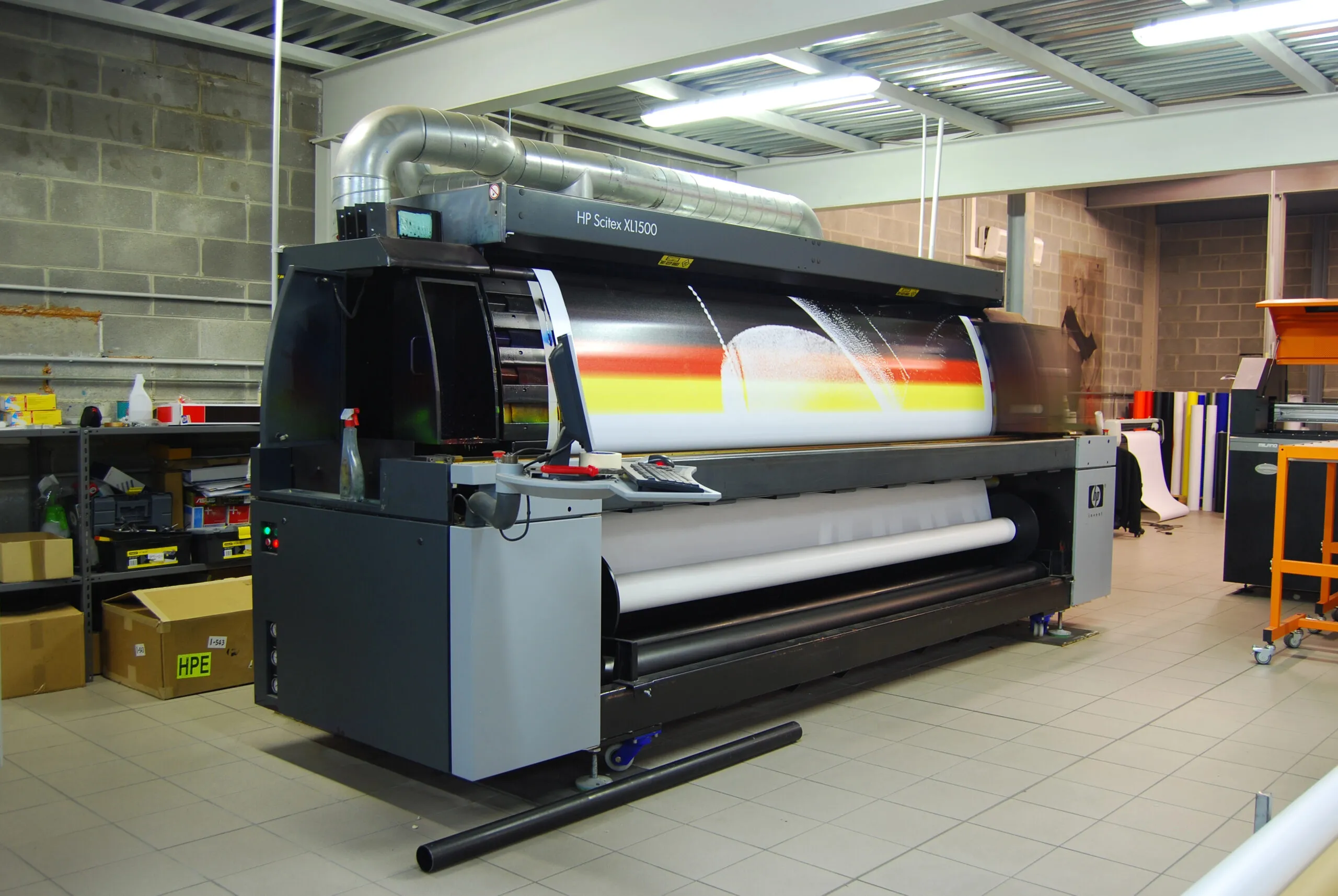
A technical comparison of ultrasonic and evaporative humidifiers for commercial use, covering energy, precision, maintenance, and application suitability.
Desiccant units remove moisture at temperatures where refrigerant dehumidifiers stop working.
Desiccant wheel dehumidifiers use a slowly rotating silica gel rotor to absorb moisture from process air, then regenerate with heated reactivation air.

Standard ventilation does not control kitchen humidity. Learn why a dedicated dehumidifier is essential for food safety, compliance, and equipment protection.

Humidity is the leading cause of coating failures in industrial painting. Learn how controlled dehumidification protects adhesion, prevents flash rust, and cuts rework.
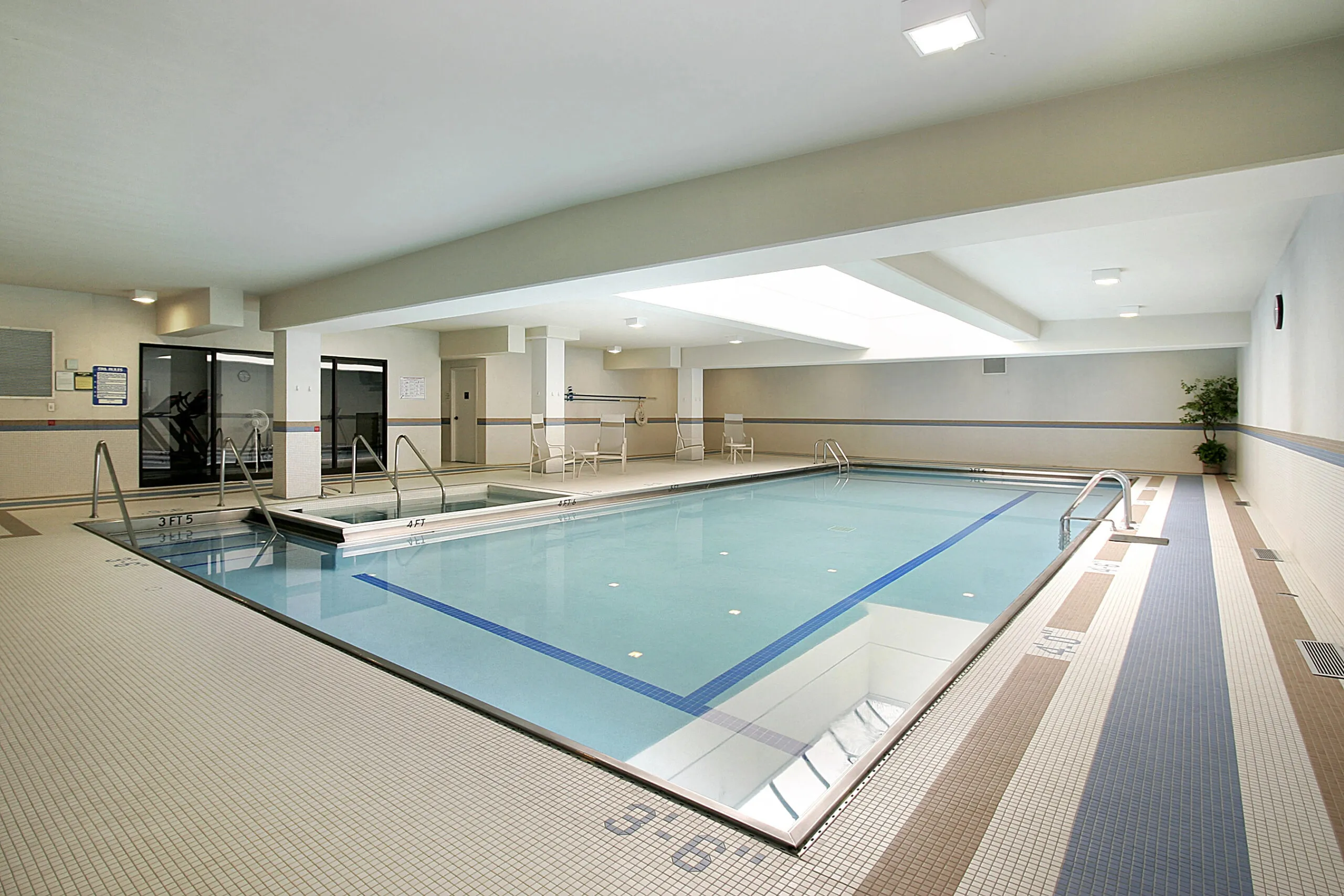
Why indoor pools and aquatic centres require commercial-grade dehumidification, from ASHRAE humidity targets to chloramine control and equipment sizing.
A guide to specifying commercial desiccant dehumidifiers for cold storage, pharma, food production, and other demanding environments.
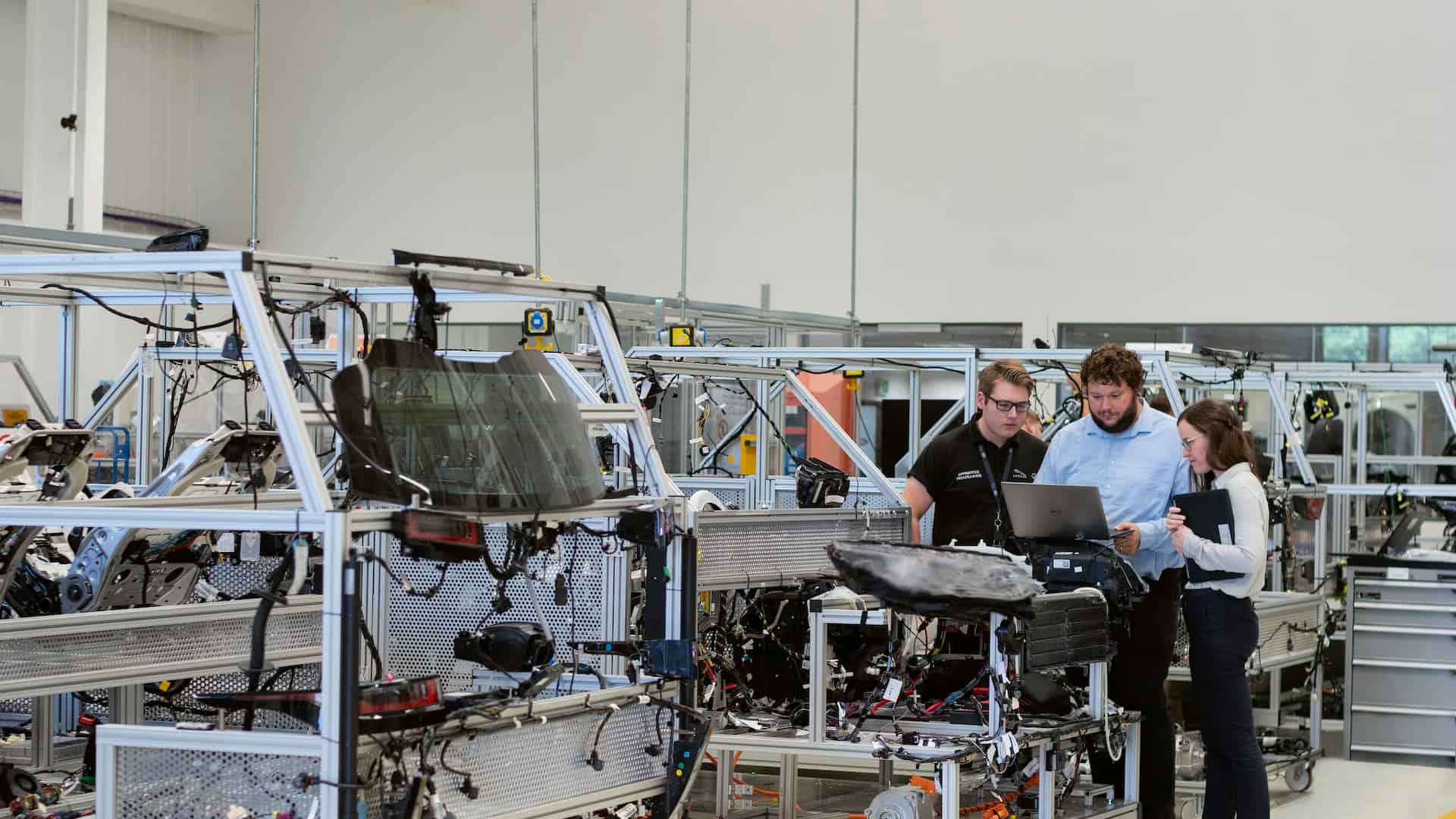
What goes into manufacturing commercial desiccant dehumidifiers, from rotor technology to industrial certifications.
What makes a dehumidifier commercial grade? Duty cycle, airflow, construction, ducting, and control systems built for continuous industrial operation.
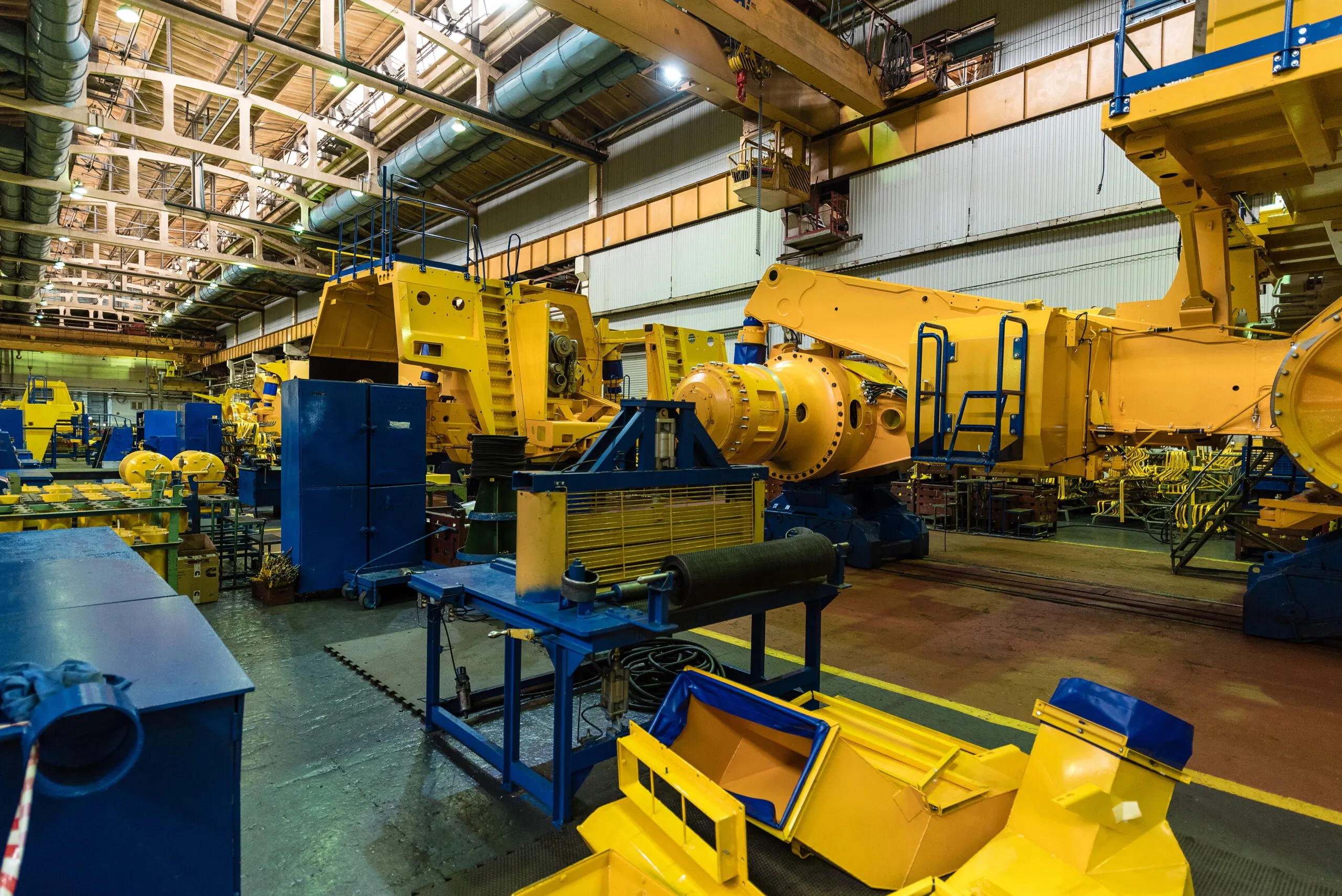
Commercial dehumidifiers prevent costly corrosion damage by controlling relative humidity. Learn which type suits your facility.
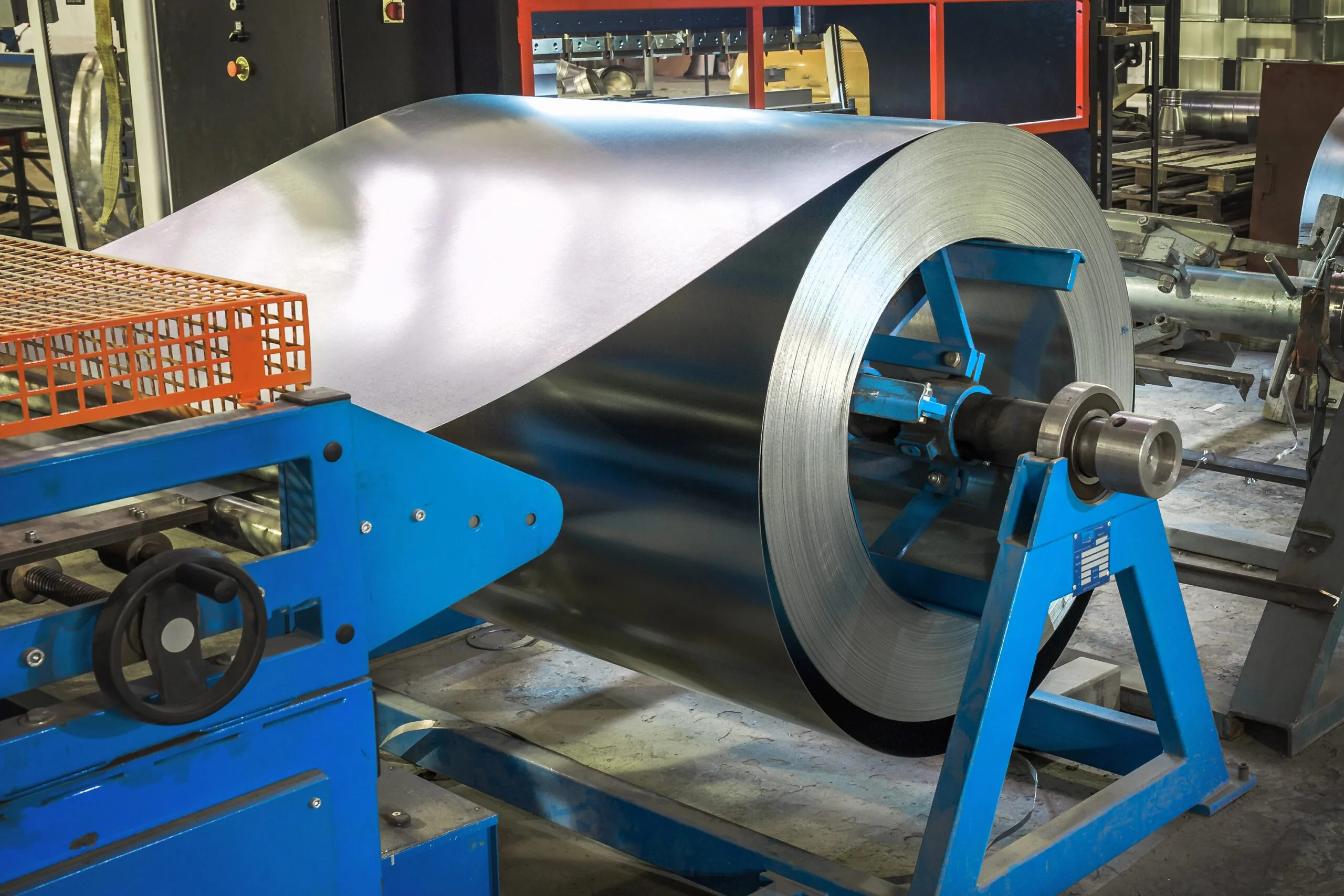
Selecting the right industrial air humidifier ensures optimal humidity control and protects your equipment, products, and employees from dry air damage.
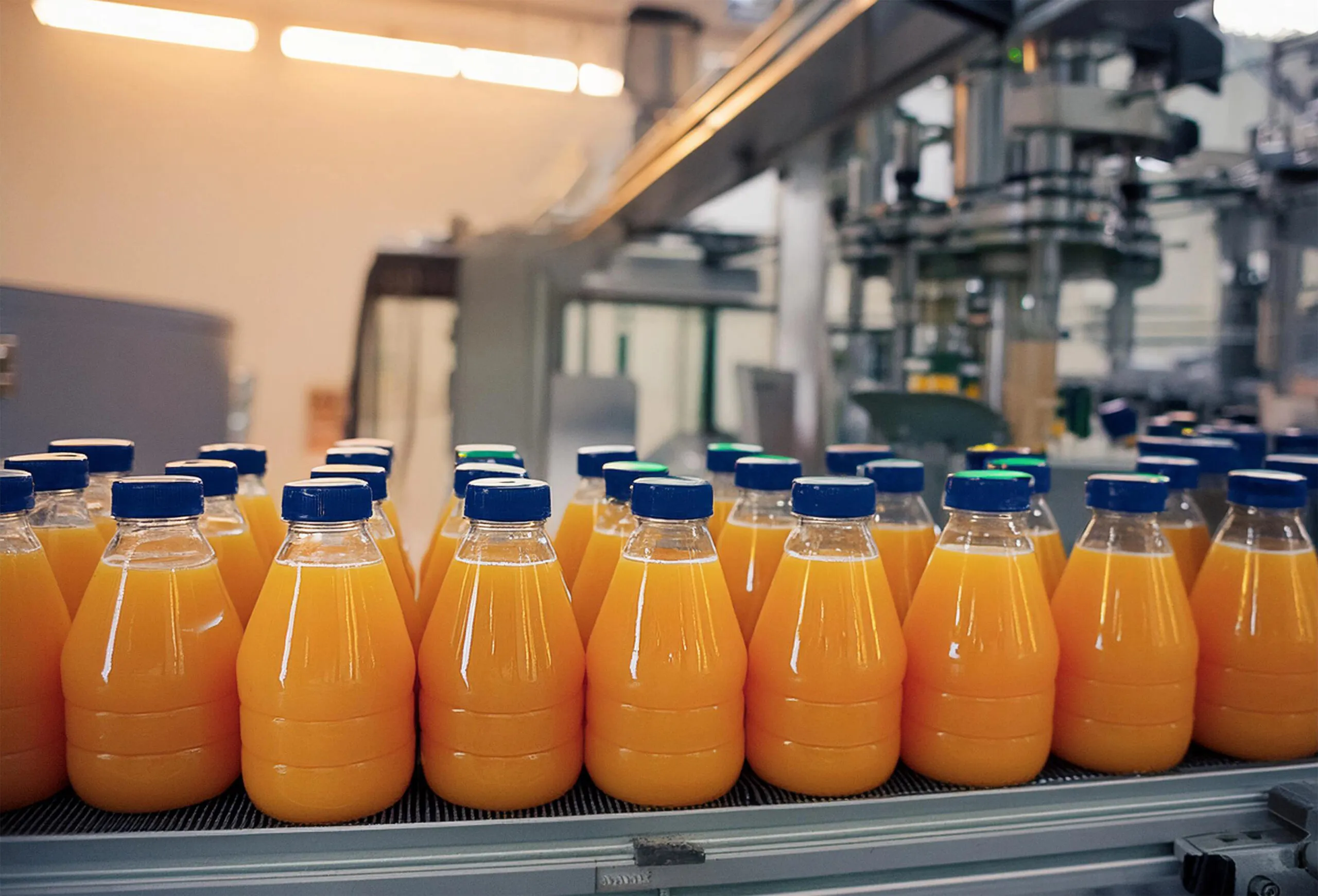
Choosing the right commercial dehumidifier in Australia depends on your space size, humidity levels, and industry needs. Learn what to consider before buying.

A 10l desiccant dehumidifier offers powerful moisture control for commercial environments. Learn how to select the perfect unit for your space.
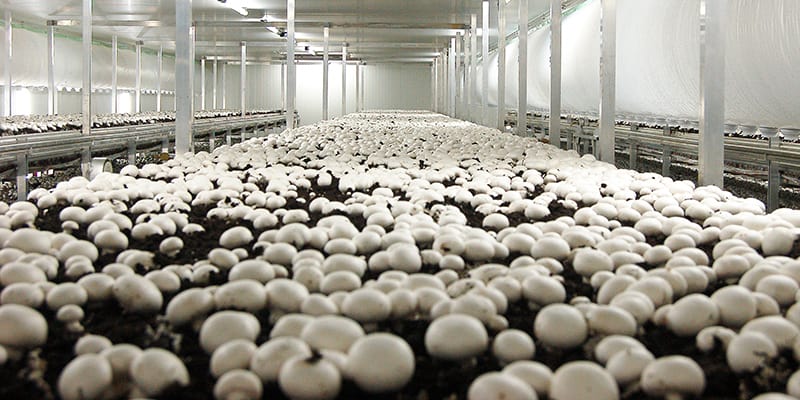
An ultrasonic cool mist humidifier can transform your indoor air quality. Learn what features matter most when selecting the right unit for your needs.
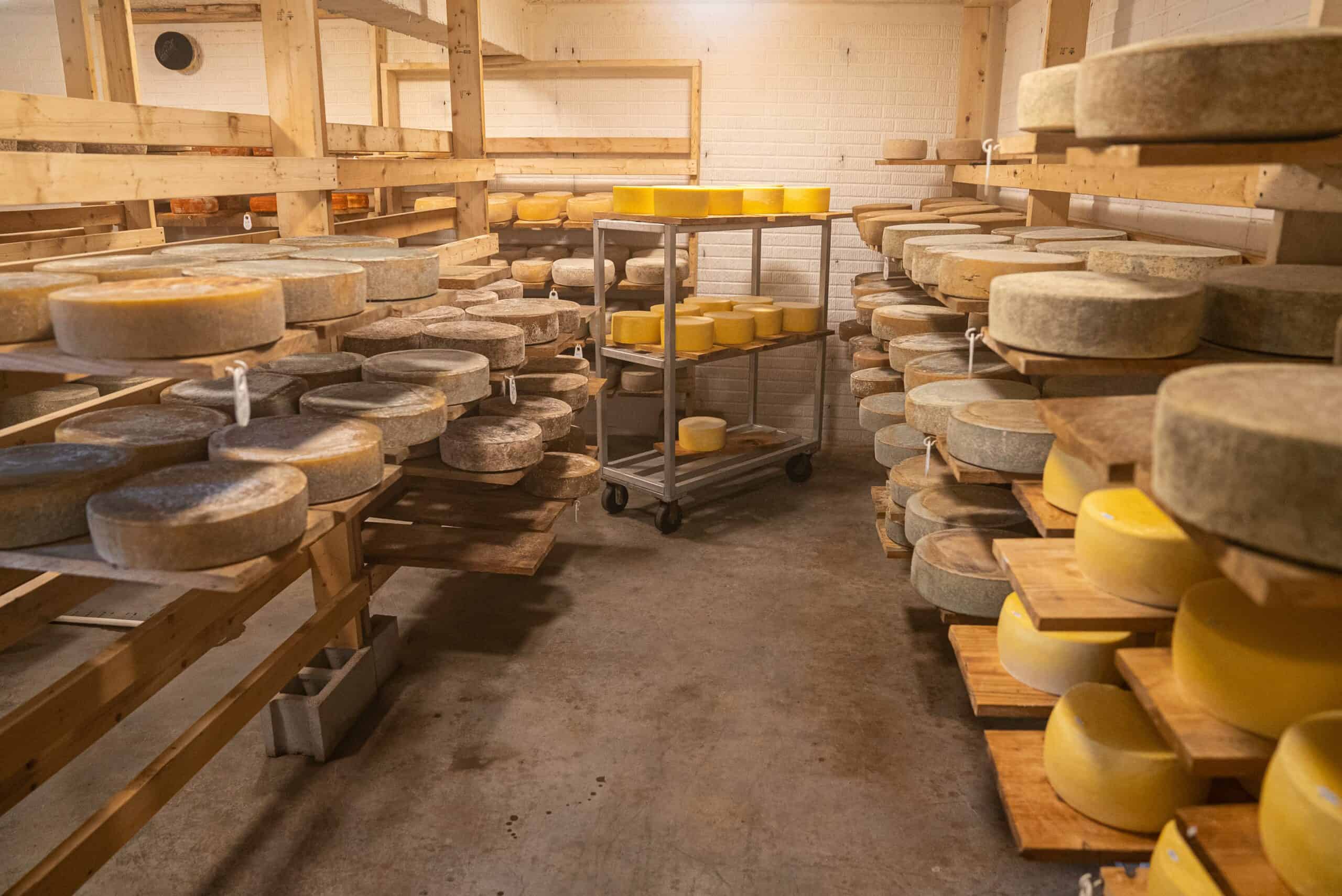
Selecting the right industrial dehumidifier Australia offers can transform your workspace. Learn key factors to consider for optimal moisture control.
Understanding desiccant vs compressor dehumidifier options helps you choose the right moisture control solution. Each type offers unique benefits for different environments.
Desiccant dehumidifier technology delivers consistent performance in cold environments and deep drying applications where refrigerant systems fail across Austra
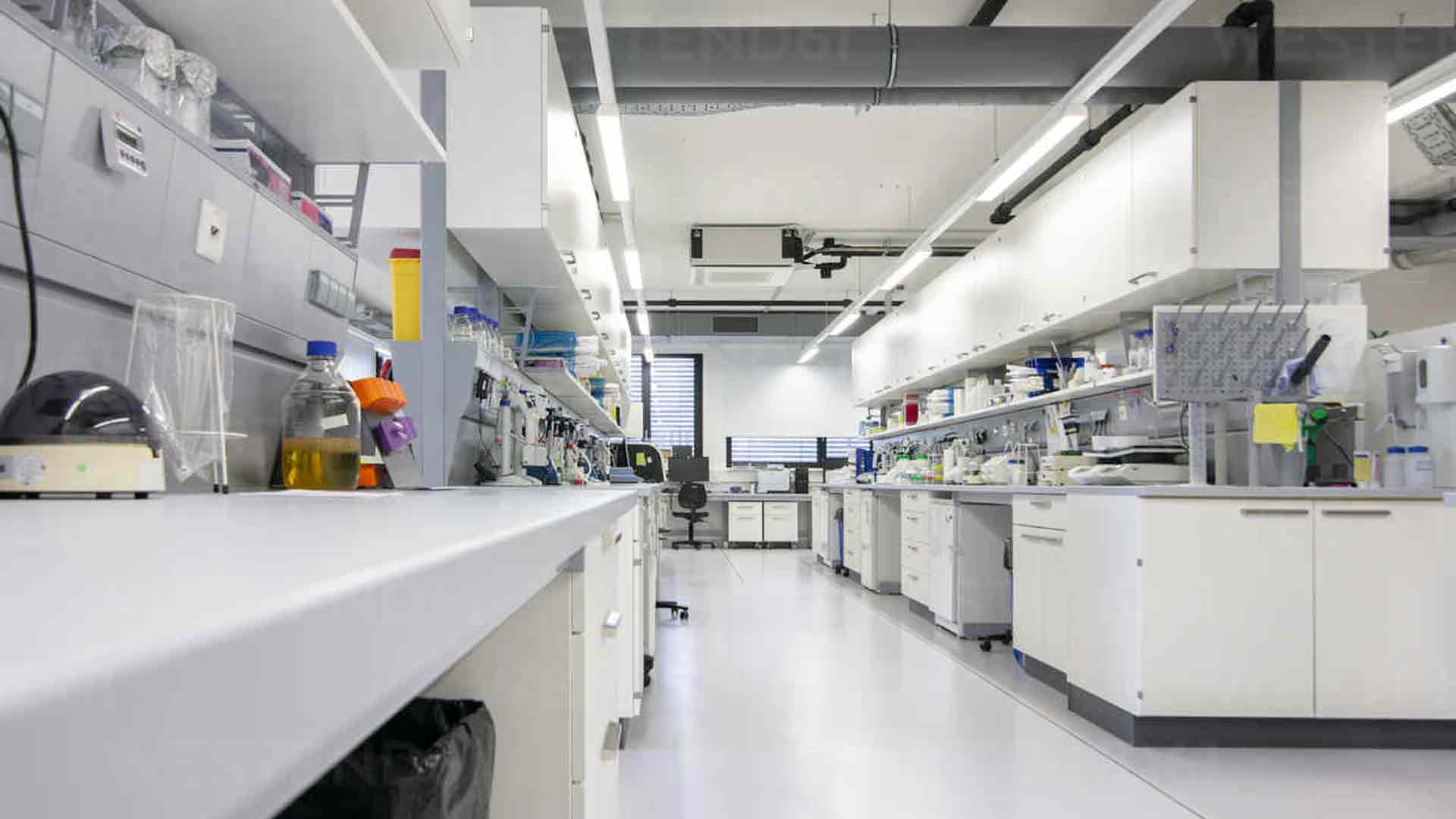
A ducted dehumidifier integrates into your HVAC system to deliver centralised moisture control across commercial and industrial facilities.

Ultrasonic humidifiers use high-frequency vibration to atomise water for precise humidity control in climate-controlled facilities. Learn when this technology s
Custom dehumidification solutions address the unique moisture, compliance, and operational demands of commercial environments that standard units cannot meet.

Understand the health benefits of proper humidity control in commercial environments, with guidance on damp prevention, comfort and facility monitoring.
Comparing dehumidifiers and air conditioners for commercial humidity control. Performance metrics, energy efficiency and application guidance.

Protect your commercial facility from mould and mildew with professional humidity control. Learn prevention strategies and equipment selection.

Improve energy efficiency in commercial dehumidification with practical guidance on system selection, humidity controls, maintenance and measuring performance.
Excess humidity destroys commercial infrastructure, equipment and inventory. Learn how professional dehumidification protects your facility investment.

Optimise wine cellar climate control efficiency through proper technology selection, system design, and maintenance strategies for commercial facilities.

Maintain commercial mushroom humidifiers with systematic cleaning, filter management, and calibration protocols to ensure optimal growing conditions.

Expert guide to choosing commercial humidification equipment for mushroom farms. Humidity requirements, ultrasonic vs steam systems, sizing calculations & contamination prevention.
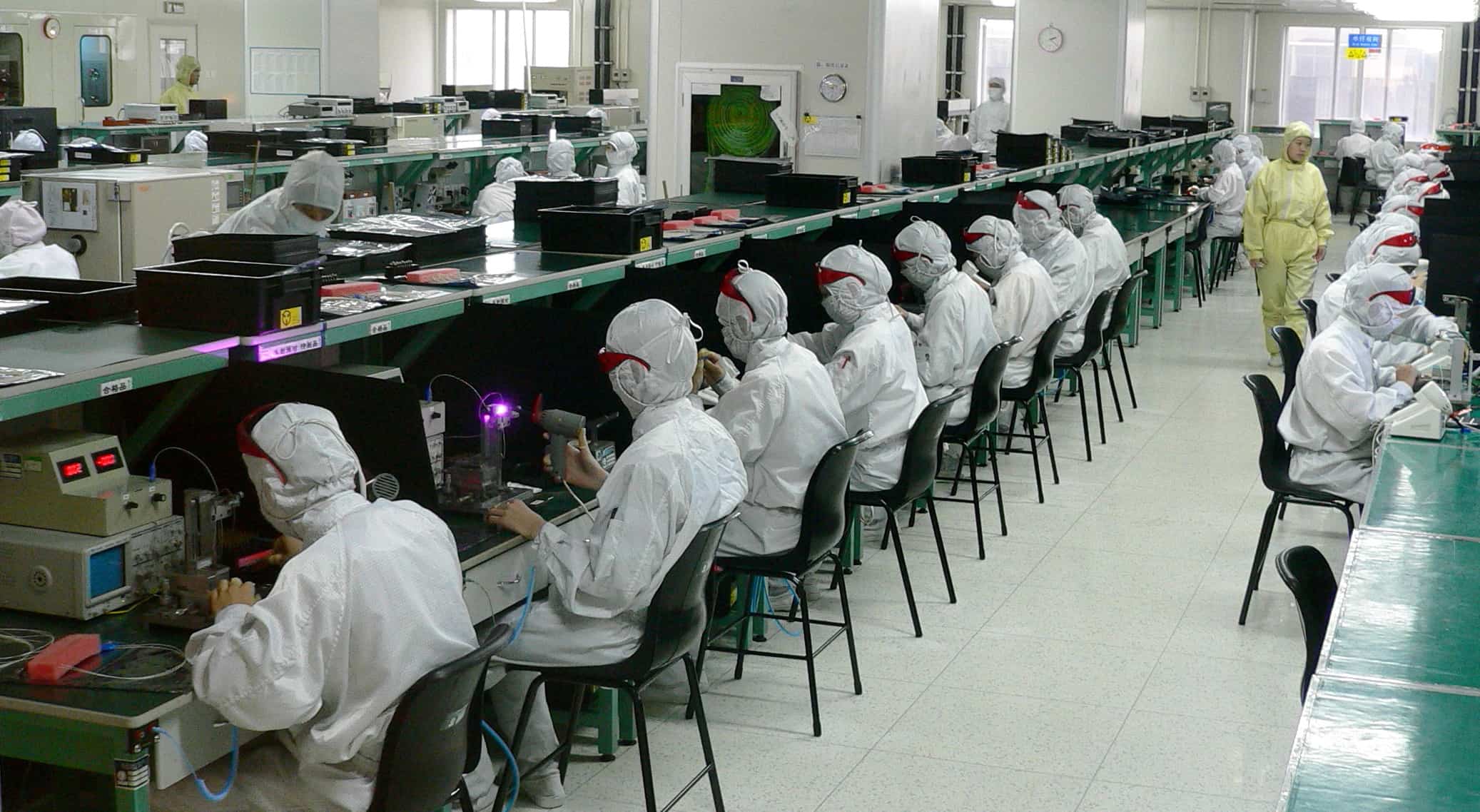
Practical maintenance schedules for commercial dehumidifiers, covering filter cleaning, coil care, and system checks by industry type.
Explore cutting-edge dehumidification technologies including IoT integration, variable speed compressors, and hybrid systems for commercial facilities.

See how commercial dehumidifiers manage damp conditions, protect stock and support indoor air quality in commercial and industrial facilities.
Compare commercial dehumidifier sizing, technology, installation and energy use for Australian facilities. Prepare a clear specification before ordering.
Ducted dehumidifiers integrate with HVAC systems to control humidity across entire commercial facilities through centralised moisture extraction.
Essential planning considerations for ducted dehumidifier installations in commercial facilities, covering site assessment, HVAC integration, and compliance requirements.
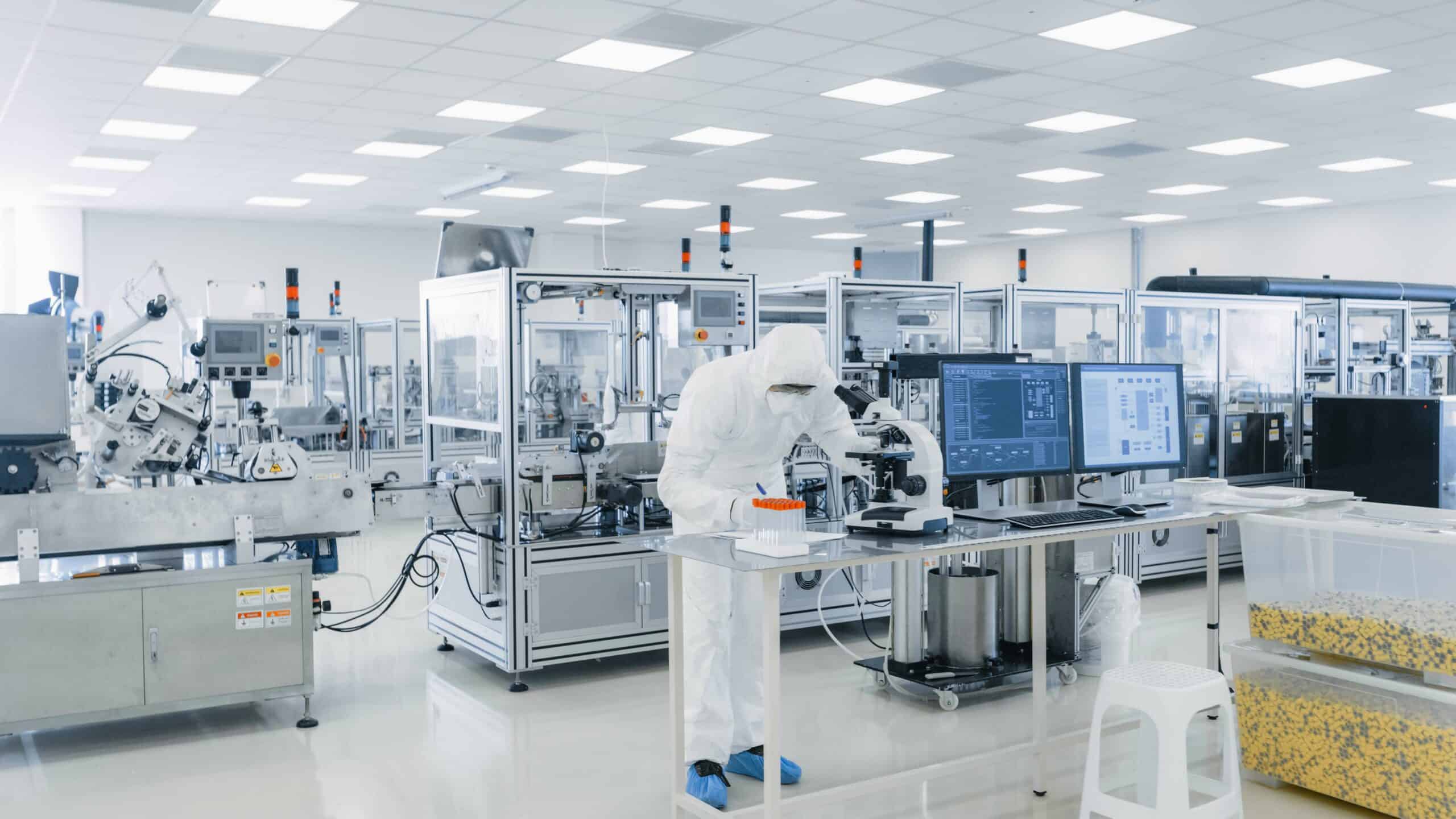
Desiccant dehumidifiers excel in cold environments, ultra-low humidity applications, and high-moisture facilities where refrigerant systems fall short.

How desiccant dehumidifiers use a rotating wheel, heated reactivation air, and desiccant media to control humidity in commercial and industrial facilities.

Commercial desiccant dehumidifiers last 8-15 years depending on application and maintenance. Learn key lifespan factors and replacement indicators from Australian experts.
Discover when desiccant dehumidifiers outperform refrigerant units for commercial applications. Expert comparison of benefits, applications, and performance factors.
Industrial dehumidifiers can run continuously 24/7 when properly configured with drainage and maintenance. Runtime depends on technology, environment, and application needs.

Assess industrial dehumidifier effectiveness through extraction rates, operating conditions and measured results, with advice for commercial facilities.
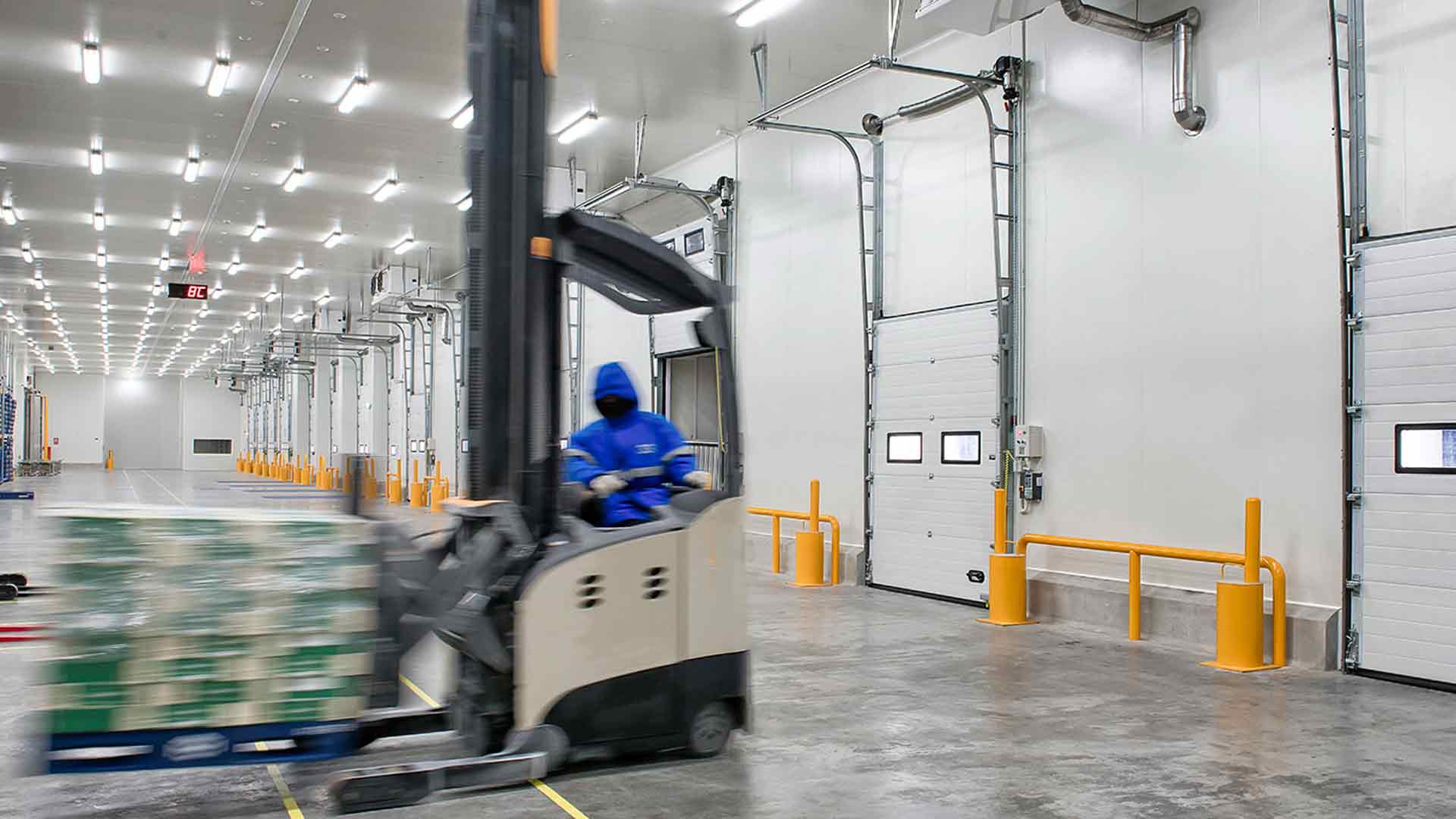
Industrial dehumidifiers use 150W-15kW depending on type and capacity. Calculate running costs, compare refrigerant vs desiccant efficiency, and reduce consumption.
Complete guide to sizing industrial dehumidifiers for Australian commercial facilities. Learn capacity calculations, moisture load assessment, and application-specific requirements.

Commercial greenhouse humidity control requires careful technology selection based on crop requirements, facility size, and operational goals for Australian growers.
Master greenhouse humidity control with VPD science, disease prevention, and precision equipment solutions for commercial Australian growers.
Ultrasonic humidifiers use high-frequency vibrations to create fine water mist for precise commercial humidity control with 90% less energy than steam systems.
Ducted dehumidifiers provide whole-building moisture control for commercial facilities. Learn integration methods, industry applications, and selection criteria.

Desiccant dehumidifiers use adsorption technology to remove moisture across extreme temperatures, achieving precise humidity control for demanding commercial applications.
How refrigerant dehumidifiers work, which refrigerants they use, performance specifications, and how to choose between refrigerant and desiccant systems for Australian commercial facilities.
Advanced humidity control technology for Australian commercial and industrial facilities. Refrigerant, desiccant, and ducted solutions for precise moisture management.

Assess how humidity affects workplace comfort and performance, with sourced evidence and practical checks for commercial facility managers.
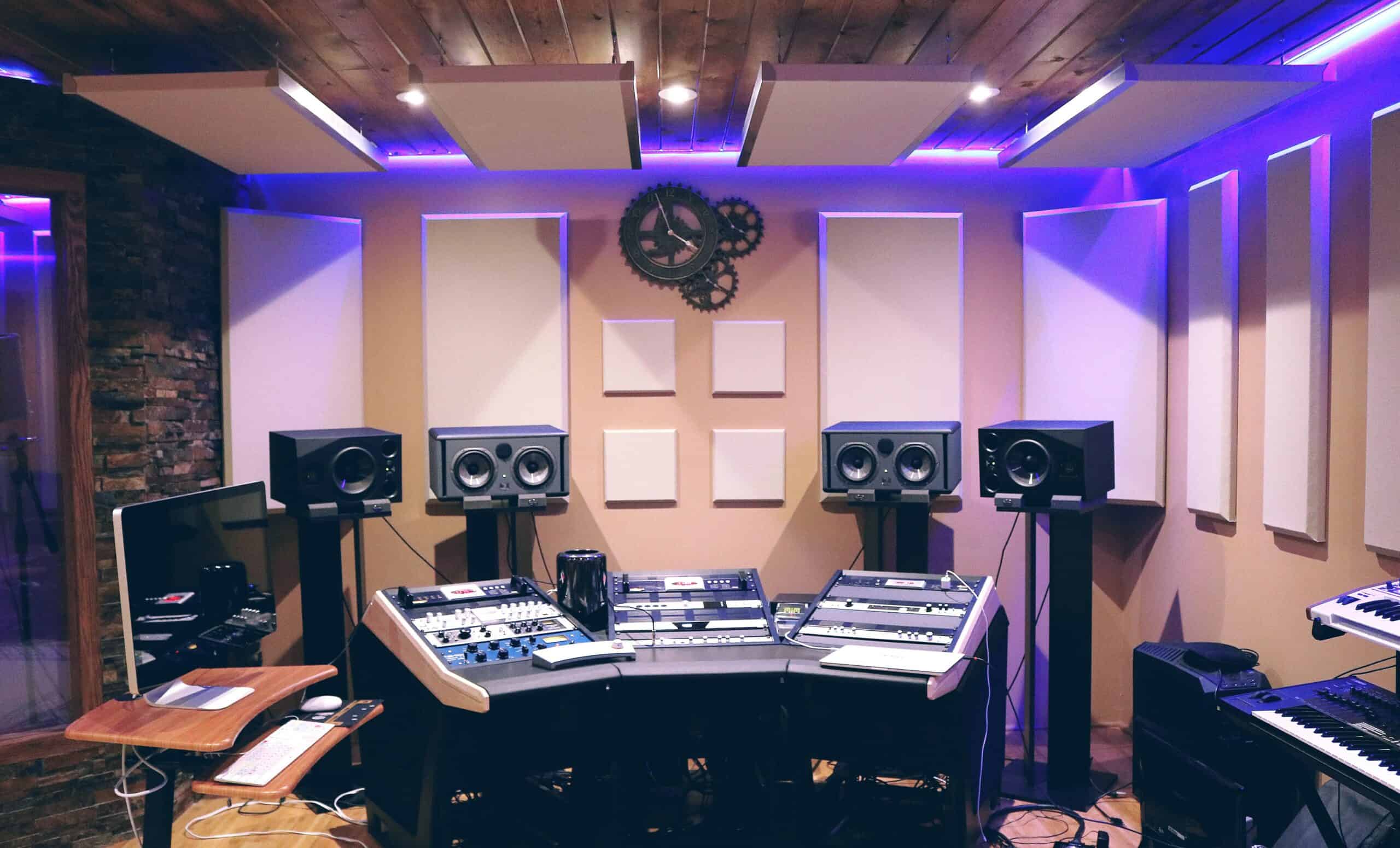
Humidity directly impacts sound quality, material stability and acoustic performance in commercial venues, studios and manufacturing facilities.

Electronic manufacturing requires precise humidity control between 45-55% RH to prevent ESD damage, corrosion, and condensation on sensitive components.
Professional humidity control prevents irreversible damage to library and archive collections while reducing long-term preservation costs.

Learn how proper humidity control protects commercial assets, improves employee health, and delivers measurable ROI across Australian industries.

Balance plant health and employee comfort with professional humidity control. Australian businesses achieve 12% productivity gains through optimal moisture management.

How commercial woodworking facilities use humidity control to prevent warping, cracking and finish defects. Processing-stage specs, seasonal challenges and equipment selection for Australian operations.

How Australian hospitals manage humidity for infection control, equipment protection, and regulatory compliance. Zone-specific requirements, desiccant vs refrigerant selection, BMS integration, and maintenance guidance.

Humidity control systems for medicinal cannabis cultivation facilities. Growth stage humidity requirements, VPD targets, equipment selection, and Australian TGA/ODC compliance for GMP-licensed growers.

Humidity control for commercial yoga studios. Covers optimal RH levels by practice type, the humidification and dehumidification cycle between classes, and equipment selection for Australian facilities.

Commercial greenhouse humidity control explained. Crop-specific RH ranges, VPD management, dehumidification vs humidification technologies, seasonal strategies, and ROI for Australian greenhouse operators.

AICCM-standard humidity control for art galleries. Covers material-specific risks, gallery zone requirements, humidification and dehumidification methods, and preservation solutions for Australian conditions.

Museum humidity control systems protect irreplaceable collections from deterioration. Covers material-specific RH ranges, conservation standards, dehumidification technologies, and micro-climate strategies for Australian museums.
Protect critical server infrastructure with precise humidity control. Learn optimal RH ranges, equipment sizing, and emergency response strategies.
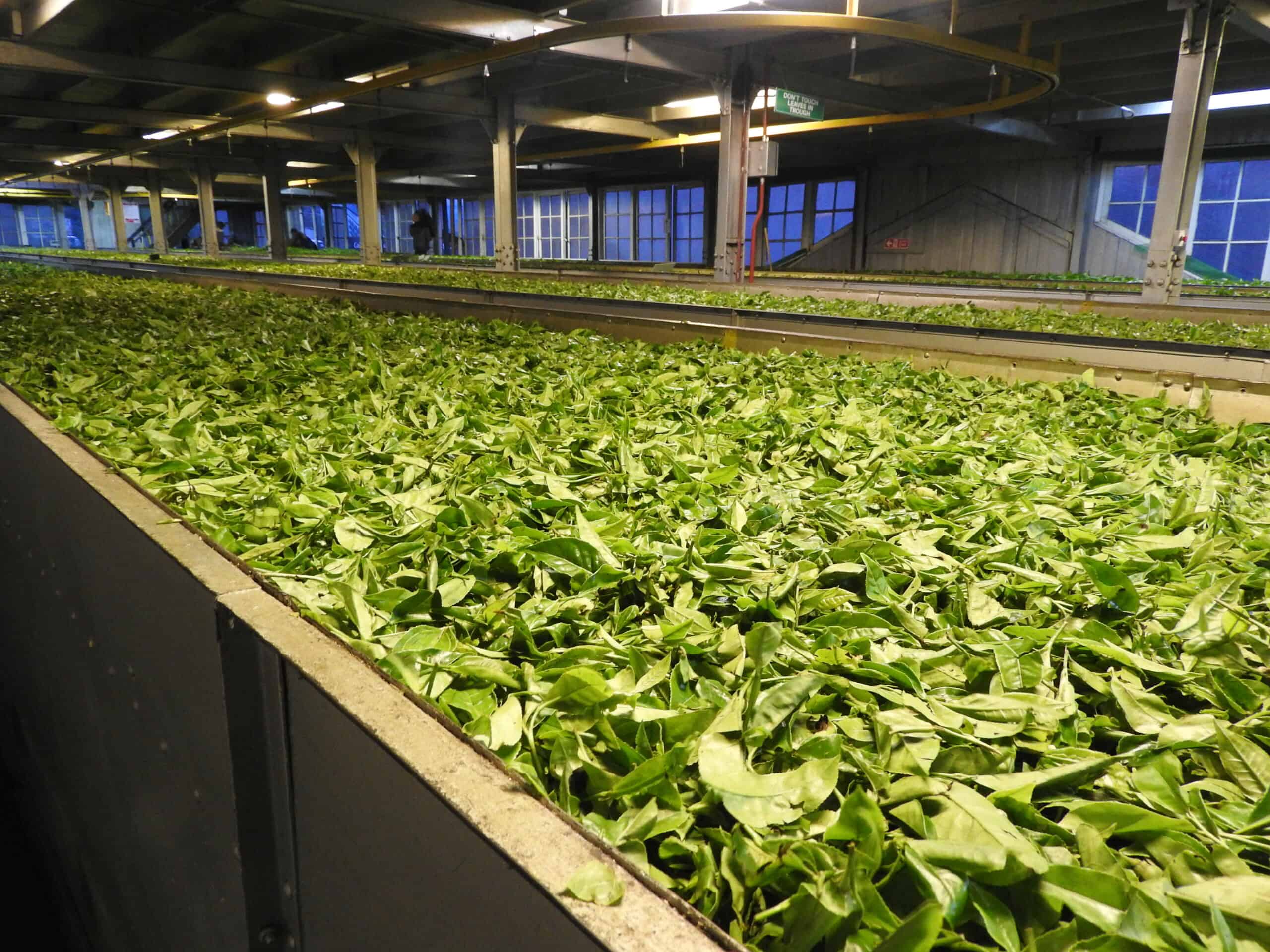
Tea processing facilities need precise humidity control at every stage, from withering and fermentation to drying and storage. Learn the RH requirements by tea type, equipment selection criteria, and compliance standards for Australian tea processors.
Learn how commercial mushroom growers control humidity at each growth stage. Equipment types, species-specific requirements, and maintenance schedules for Australian facilities.

Commercial egg hatcheries need precise humidity control throughout incubation stages. Learn equipment specifications and ROI considerations.
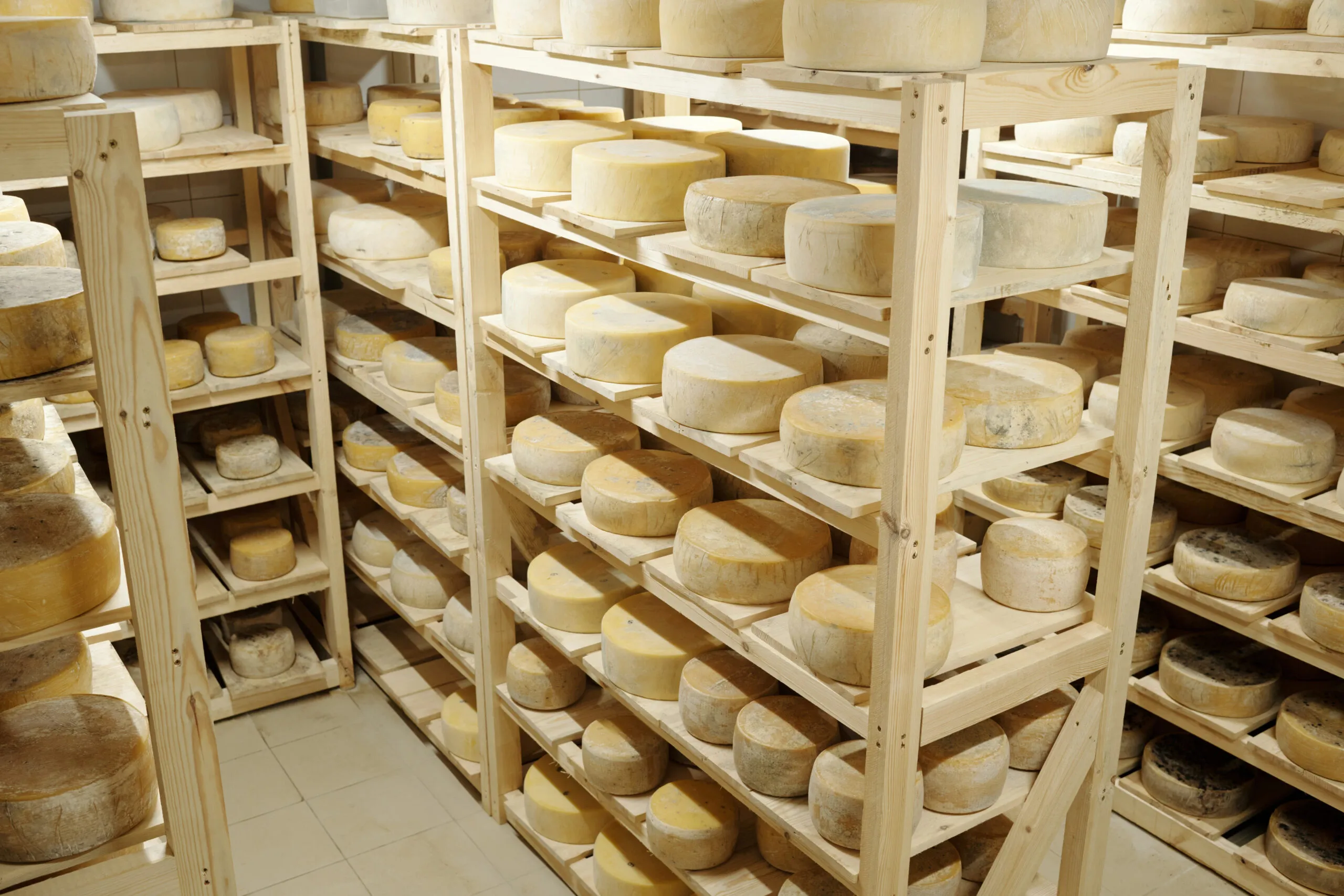
How humidity control affects water activity, rind development, yield, and food safety in commercial cheese curing. Parameters by cheese type, equipment guidance, and regulatory requirements for Australian facilities.
Precise humidity control in cold storage facilities prevents product deterioration and equipment damage while ensuring regulatory compliance and operational efficiency.
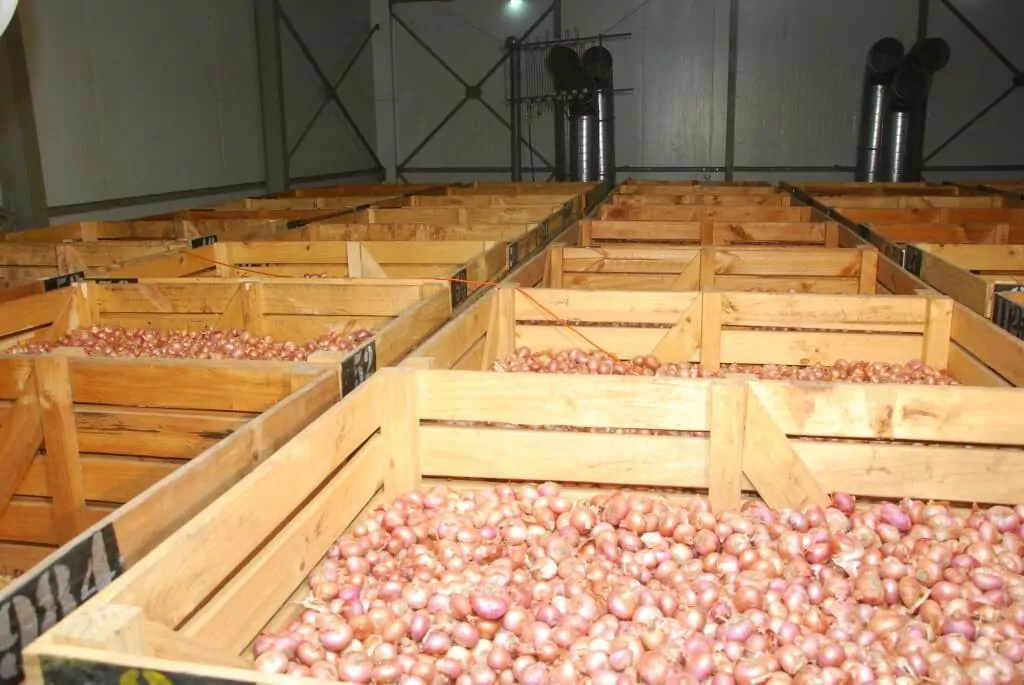
How humidity control systems protect stored crops in Australian agricultural facilities. Covers humidification and dehumidification requirements by product type, desiccant vs refrigerant technology, and implementation guidance.

Commercial bakeries need zone-by-zone humidity control from ingredient storage through to packaging. Learn the target RH for each production area, why desiccant dehumidifiers outperform refrigerant units in cold rooms, and how to select the right system for Australian conditions.
Vertical farms and CEA operations require precise humidity control to maximise yields and prevent disease. Learn about VPD targets, desiccant vs refrigerant dehumidifiers, equipment selection, and energy-efficient humidity management strategies.
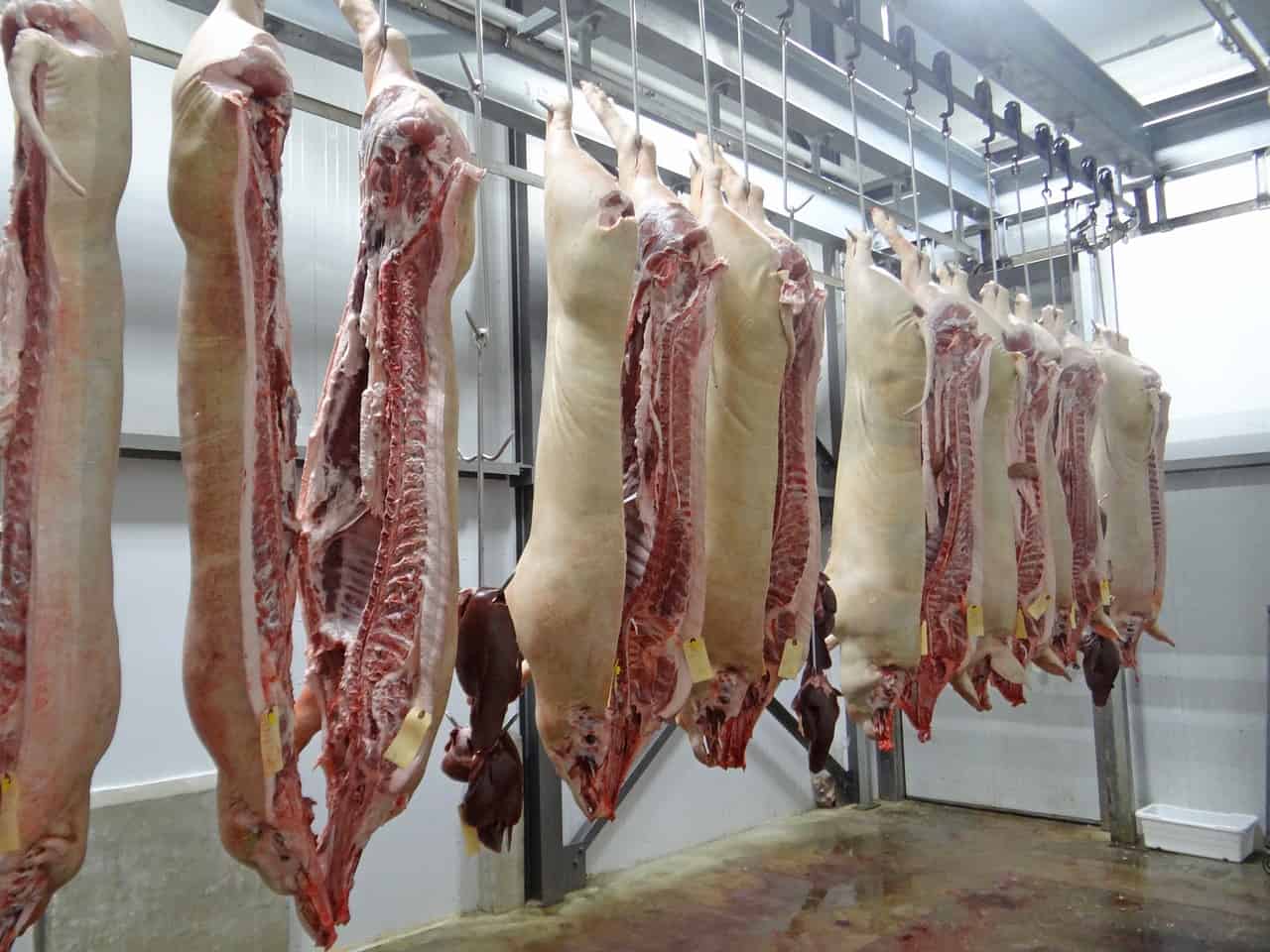
Australian abattoirs require precise humidity control across processing zones to prevent product weight loss, ensure quality, and maintain regulatory compliance.
Tobacco processing facilities need precise humidity control at every stage. Learn optimal RH ranges and system requirements for Australian operations.
Textile manufacturing requires precise humidity control across all production stages. Learn how proper moisture management prevents defects and maximises efficiency.

Precise humidity control in spray booths prevents coating defects, reduces rework costs and ensures consistent finish quality for Australian manufacturers.
How humidity control prevents ESD damage and moisture defects in semiconductor and PCB manufacturing. Covers MSL compliance, industry standards, desiccant systems, and Australian climate considerations.
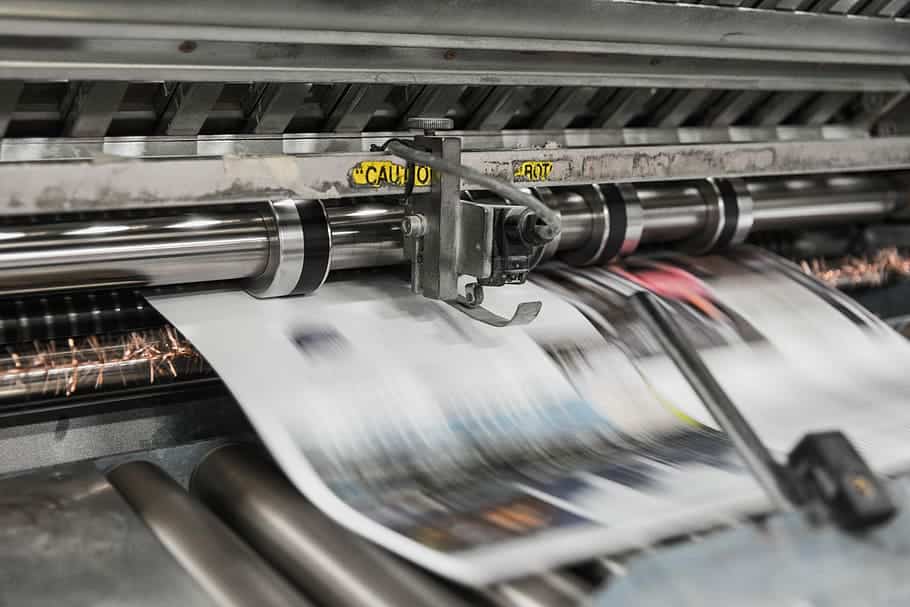
How humidity control prevents static, paper curl, and ink defects in commercial printing. Optimal RH ranges by process, equipment selection, and monitoring for Australian facilities.
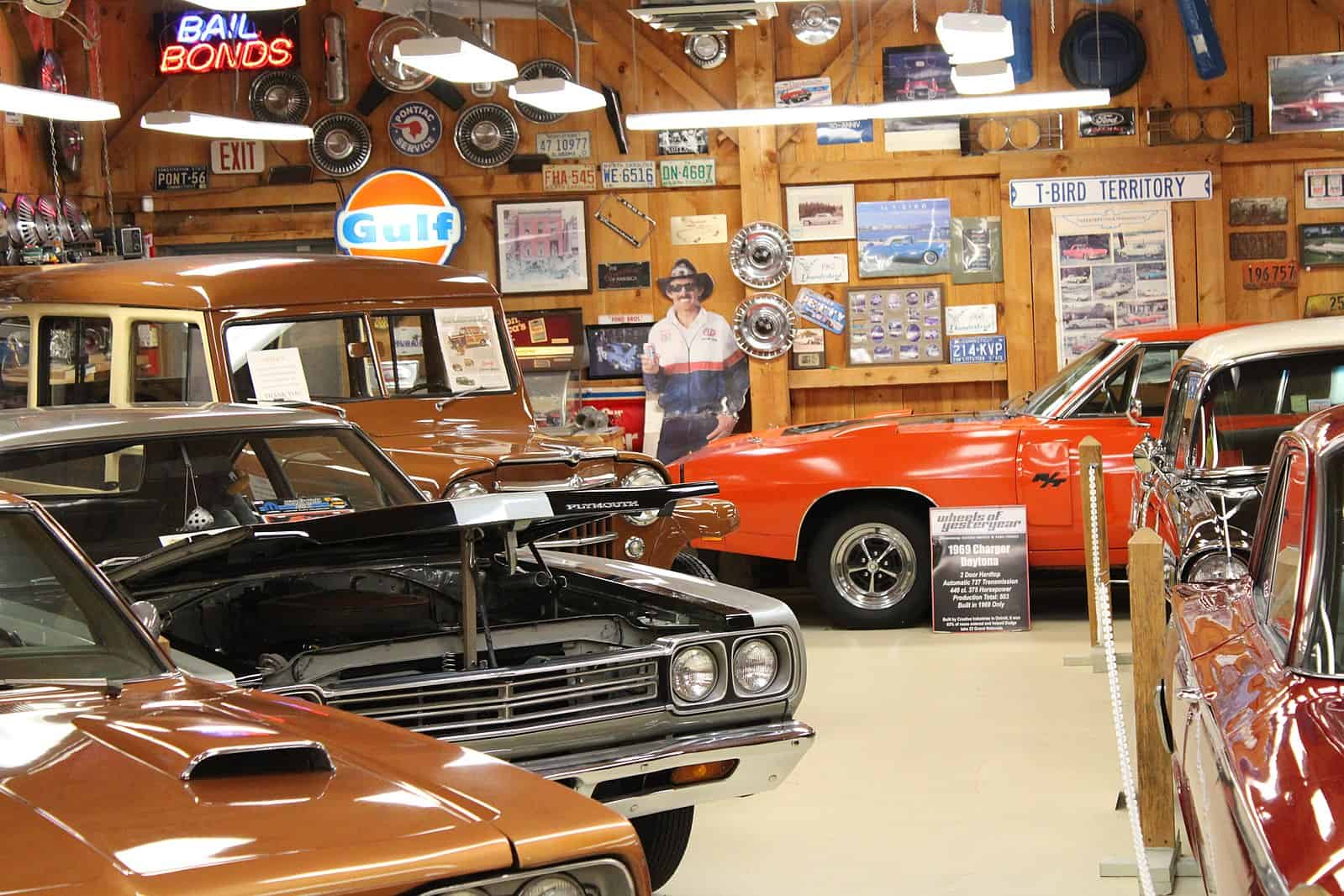
Professional humidity control protects fleet assets, maintains equipment reliability, and ensures optimal working conditions in commercial vehicle garages.
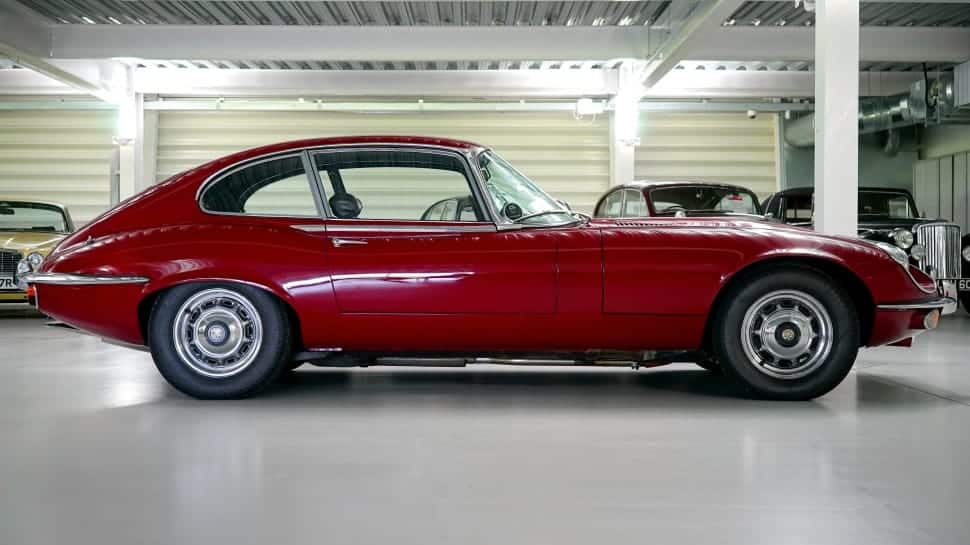
Protect valuable classic car collections with professional humidity control systems designed for automotive storage facilities across Australia.
GMP humidity standards for pharmaceutical manufacturing. Covers production area RH ranges, cleanroom specifications, desiccant dehumidifier selection, and validation protocols for Australian facilities.
Packaging operations require precise humidity control to prevent material defects and equipment failures. Learn optimal ranges for different materials.
Medical device manufacturing requires precise humidity control for product quality, regulatory compliance, and sterile environment maintenance. Learn about humidity requirements by device type, cleanroom standards, and system selection for Australian facilities.
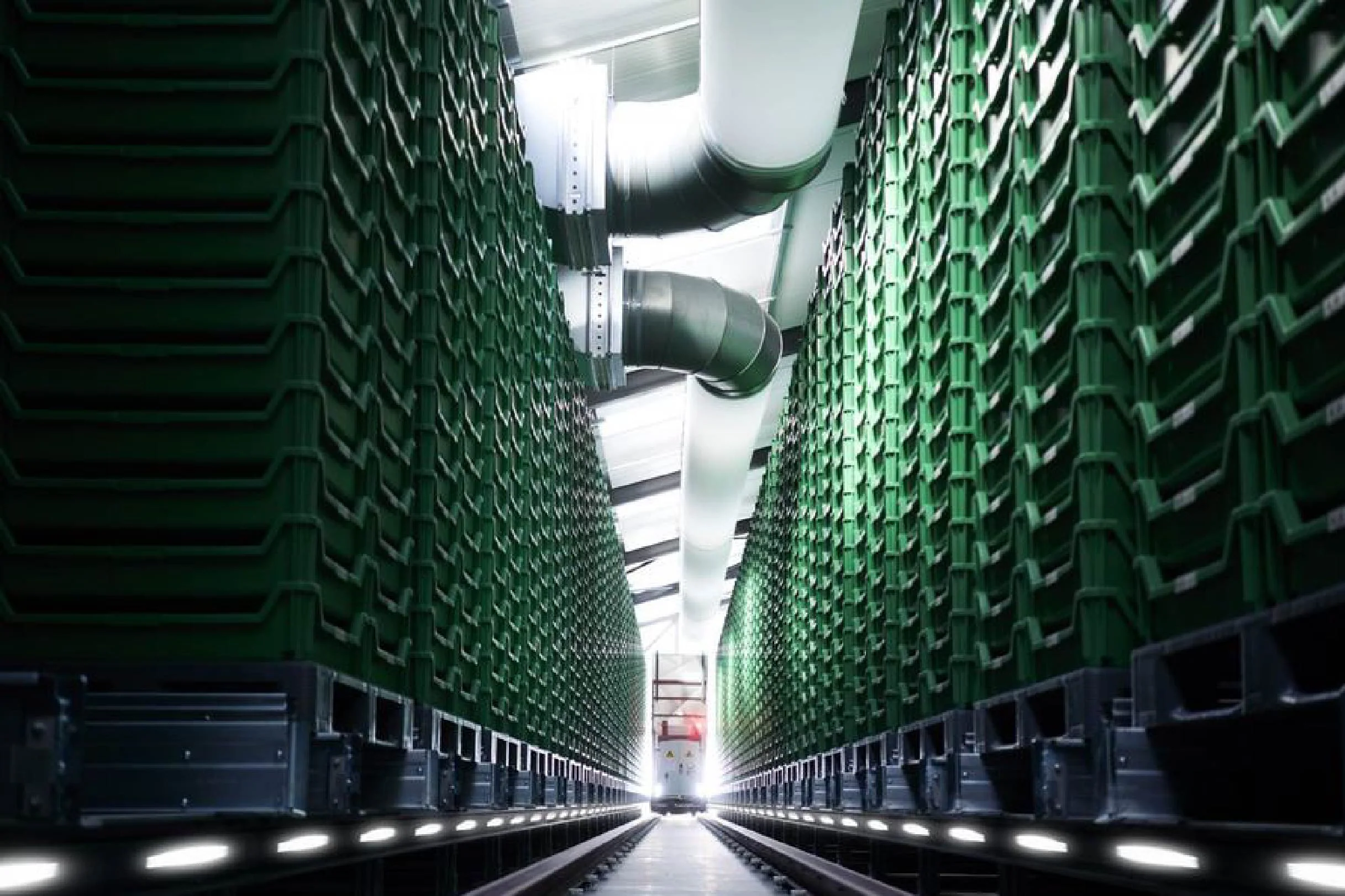
Commercial insectaries need precise humidity control to maximise breeding success, prevent disease, and maintain biosecurity. Learn how to size and select dehumidification and humidification systems for insect production facilities.

How to select the right industrial humidifier for your commercial facility. Compare ultrasonic, evaporative, steam, and compressed air systems by capacity, energy efficiency, maintenance, and industry application.
Refrigerant vs desiccant vs ducted dehumidifiers for commercial facilities. Operating ranges, energy efficiency, sizing, and maintenance compared.
Discover how food processing, pharmaceuticals, electronics, museums, and data centres use precision moisture control to protect products and ensure operational success.
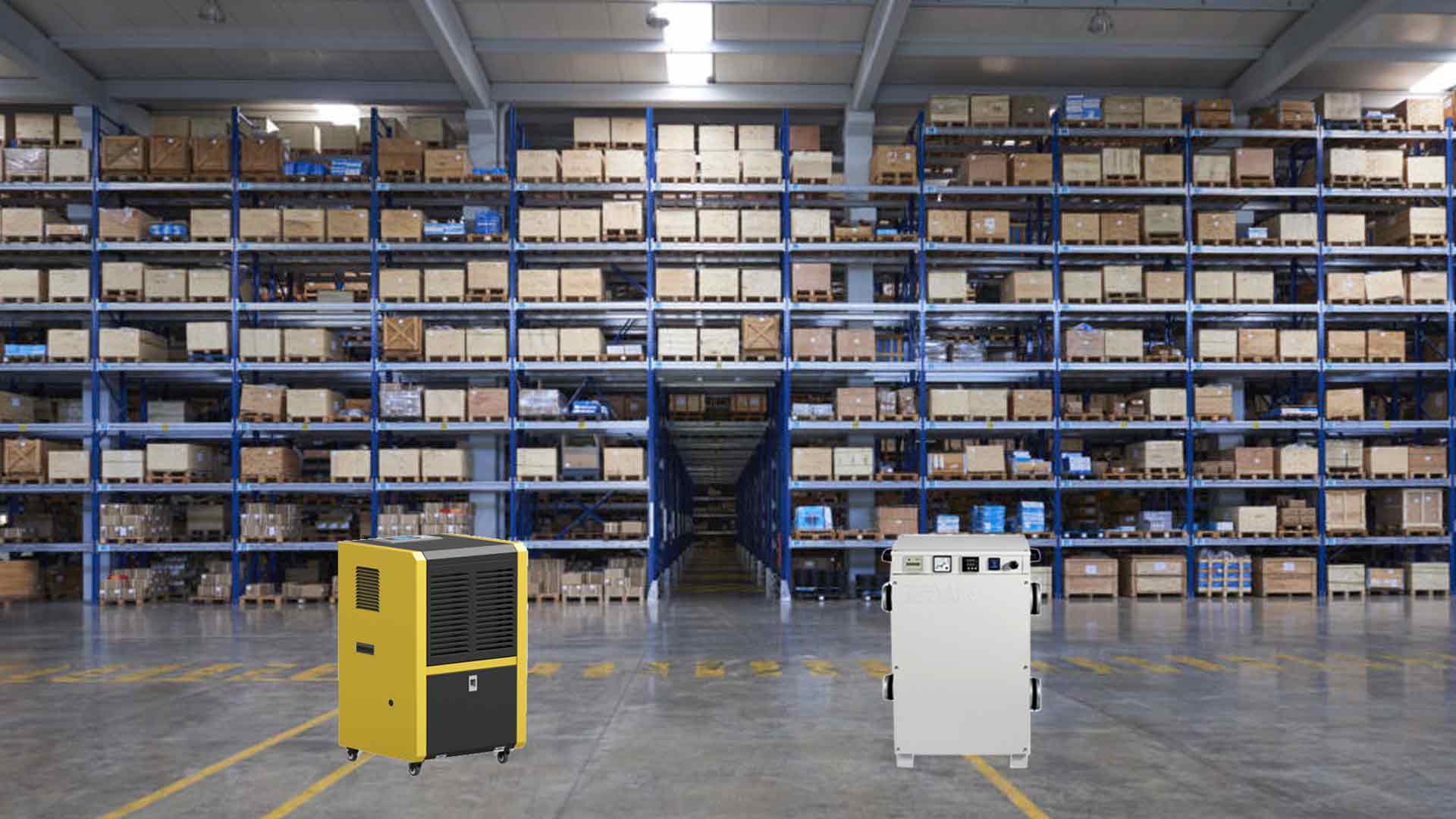
How refrigerant, desiccant, ducted, and ultrasonic humidity control technologies work in commercial and industrial facilities. Covers the science of dehumidification and humidification, performance metrics, and technology selection for different applications.
Precise humidity control in explosive manufacturing prevents chemical degradation, static hazards, and quality issues across production zones.
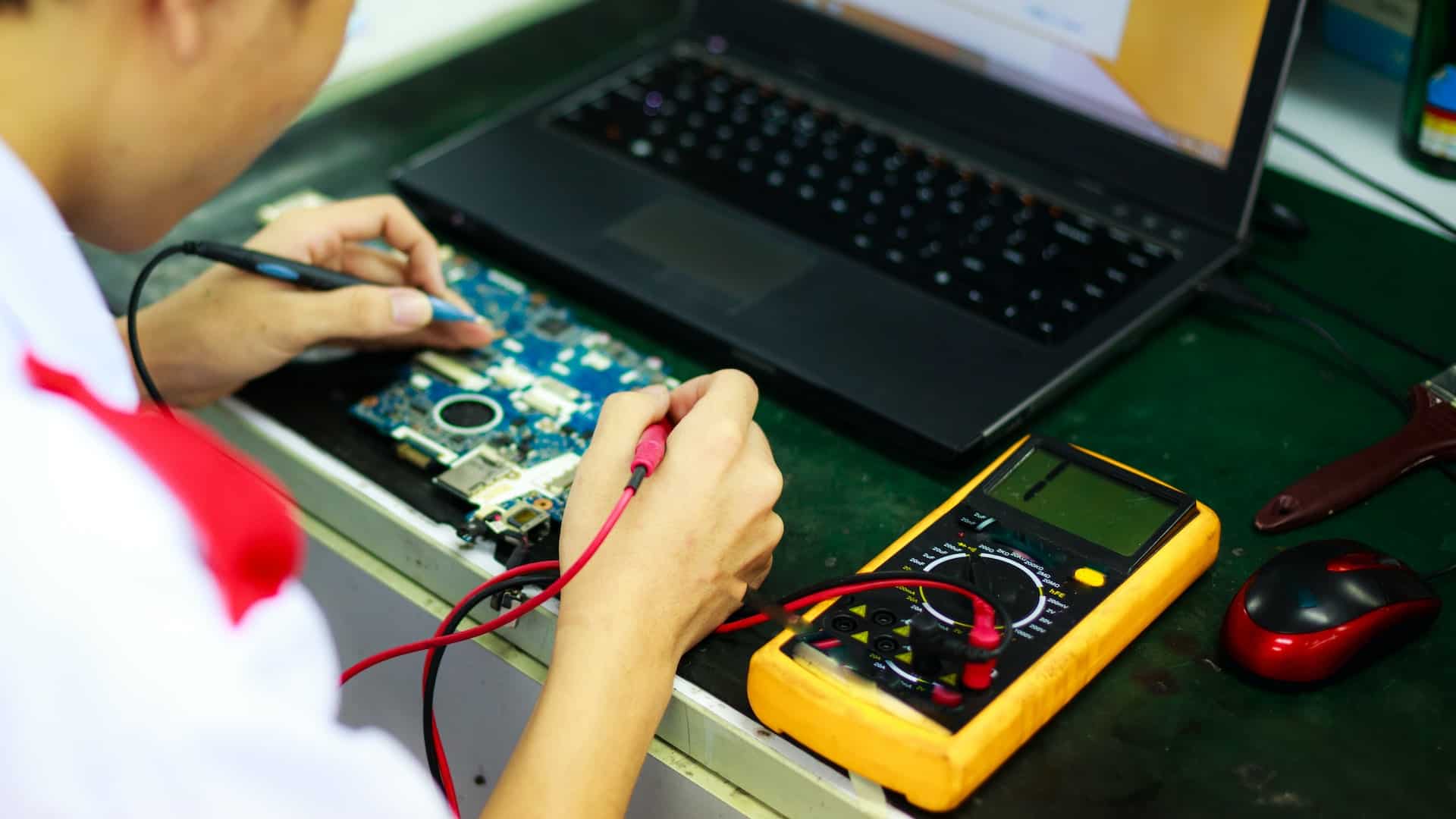
Protect sensitive electronic components from static discharge with precise humidity control. Learn optimal RH levels and system requirements for manufacturing facilities.
Precise humidity control in cleanrooms and laboratories ensures product quality, testing accuracy, and regulatory compliance for Australian facilities.
Automotive manufacturing requires precise humidity control across paint shops, electronics assembly and metal processing areas to ensure product quality.
Ultrasonic humidifiers deliver precise, energy-efficient humidity control for commercial facilities. Learn how piezoelectric atomisation works, how to manage white dust and hygiene risks, and how ultrasonic compares to evaporative and steam systems.
How to select the right commercial dehumidifier for Australian facilities. Covers refrigerant vs desiccant technology, capacity sizing, industry-specific humidity targets, and maintenance requirements.

Commercial dehumidifiers remove excess moisture through refrigerant condensation or desiccant absorption, protecting facilities and inventory from humidity damage.
Calculate the correct commercial dehumidifier capacity using moisture load assessments, space volume, and process requirements for Australian facilities.
Commercial dehumidifiers control humidity through refrigerant condensation or desiccant absorption technologies, each suited to different operating conditions and temperature ranges.
Commercial dehumidifiers extract excess moisture from indoor air using refrigerant or desiccant technology. Learn what dehumidifiers do, which type suits your facility, and the humidity levels your industry requires.