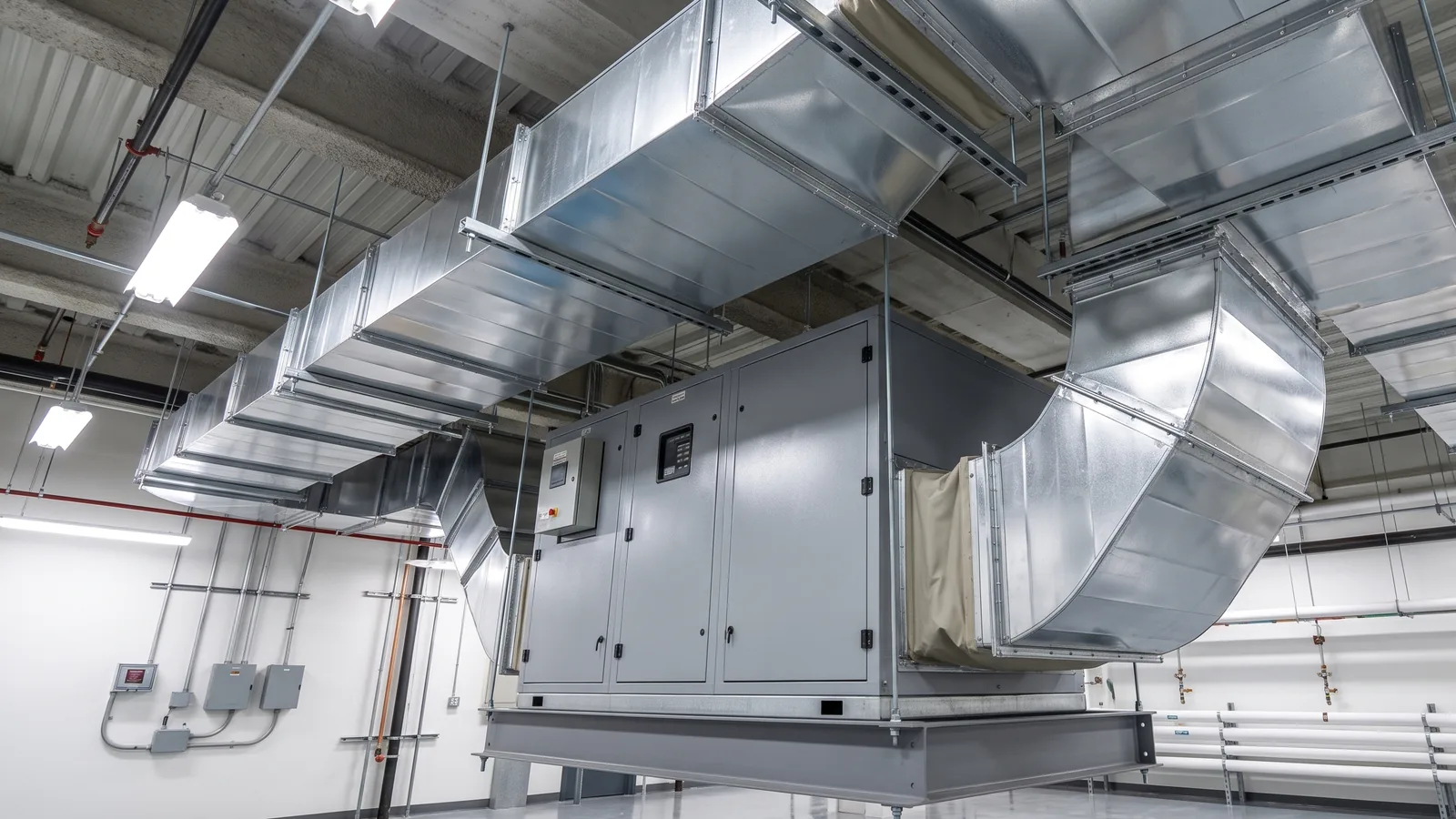
Healthcare facilities must maintain precise environmental conditions to protect patients, prevent infections, and keep sensitive equipment operating within specification. Humidity control forms a critical part of hospital infrastructure, directly impacting everything from surgical suite sterility to pharmaceutical storage integrity. Our commercial humidification solutions include units purpose-built for healthcare applications.
Healthcare Facility Humidity Standards in Australia
Australian healthcare facilities must maintain relative humidity between 30-60% to comply with ASHRAE Standard 170 ventilation requirements and national infection control guidelines under AS/NZS 1668.2. These parameters directly impact patient outcomes, staff safety, and operational efficiency across all clinical zones.
| Clinical Area | Required RH Range | Critical Control Factors |
|---|---|---|
| Operating Theatres | 45-55% | Static control, sterile field integrity |
| ICU/Critical Care | 40-60% | Ventilator performance, patient comfort |
| Pathology Labs | 35-50% | Sample preservation, equipment calibration |
| Pharmacy Storage | 30-45% | Medication stability, shelf life |
| General Wards | 40-60% | Patient recovery, infection prevention |
Facility managers face immediate operational risks when humidity levels deviate from these ranges, including equipment malfunction, increased infection rates, and regulatory non-compliance. Modern humidification and dehumidification systems provide the precise control needed to maintain strict parameters across multiple zones simultaneously.
Infection Control Through Humidity Management
Controlled humidity directly impacts pathogen survival rates in healthcare environments. Published research demonstrates that maintaining relative humidity between 40-50% substantially reduces airborne virus viability, while dry air below 30% RH allows respiratory droplets to evaporate into smaller aerosols that remain airborne longer and penetrate deeper into the respiratory tract. These findings underpin the infection prevention requirements in the NSQHS Preventing and Controlling Infections Standard.
Pathogen Response to Humidity Levels
- 20-30% RH: Influenza and other respiratory viruses survive on surfaces for several hours, mucosal membranes dry out and lose protective function, and static electricity damages sensitive equipment
- 40-50% RH: Virus viability drops significantly, mucociliary clearance functions normally, and conditions support wound healing
- 60-70% RH: Bacterial growth accelerates and fungal spores germinate rapidly
- Above 70% RH: Condensation forms on surfaces, creating reservoirs for mould and bacterial colonisation
Healthcare facilities require ducted humidity control systems that integrate with existing HVAC infrastructure to maintain consistent conditions across entire departments. These systems prevent the moisture fluctuations that enable pathogen proliferation while protecting immunocompromised patients.
Medical Equipment Protection Requirements
Sensitive diagnostic equipment including MRI machines, CT scanners, and laboratory analysers require stable humidity environments to maintain calibration accuracy and prevent corrosion. Moisture variations cause electronic component failure, leading to costly repairs and dangerous gaps in diagnostic capability. Facilities that also sterilise or process medical devices on site face additional humidity specifications for those production areas.
| Equipment Type | Humidity Tolerance | Failure Risk Above 60% RH |
|---|---|---|
| MRI Systems | 40-50% | Magnet quench, helium boil-off |
| Ventilators | 30-60% | Sensor drift, valve malfunction |
| Laboratory Analysers | 35-55% | Reagent degradation, false readings |
| Surgical Lasers | 45-55% | Lens fogging, beam distortion |
| Digital Imaging | 40-60% | Pixel degradation, storage corruption |
Equipment manufacturers void warranties when environmental conditions exceed specifications, making humidity control a direct risk management strategy. Installing desiccant dehumidification technology provides the low-dewpoint conditions required for sensitive equipment rooms while operating efficiently at the cooler temperatures typical of these spaces.
Zone-Specific Humidity Challenges
Different areas within healthcare facilities present unique moisture control challenges requiring targeted solutions. Operating theatres demand ultra-precise control to prevent static discharge during procedures, while sterilisation departments need rapid moisture removal after autoclave cycles. Hospital pharmacies must meet pharmaceutical-grade humidity standards to preserve medication efficacy.
High-Risk Zones Requiring Specialised Control
- Sterile Processing: Near-saturation humidity post-autoclave requires rapid dehumidification to prevent instrument corrosion
- Hydrotherapy Pools: Constant evaporation creates very high RH without adequate moisture removal
- Kitchen/Laundry: Steam generation pushes humidity above safe thresholds
- Emergency Departments: High traffic and wet conditions from patient decontamination
- Pathology and Laboratories: Temperature differentials create condensation risks, and cleanroom-grade humidity control may be required for sensitive testing
Each zone requires different dehumidification capacities and control strategies based on moisture loads, occupancy patterns, and temperature requirements. Facility engineers must calculate specific moisture removal rates for each area to specify appropriate equipment capacity.
Why Desiccant Dehumidifiers Suit Healthcare Environments
Many hospital zones operate at lower temperatures where refrigerant-based dehumidifiers lose efficiency. Pathology cold stores, pharmacy cool rooms, and MRI suites with active cooling all sit below the 15°C threshold at which refrigerant coils begin to ice up. Desiccant dehumidifiers use a chemical adsorption process that operates effectively from -20°C through to +50°C, making them the only viable option for these critical spaces.
- No refrigerant gases, reducing environmental compliance burden
- Consistent moisture removal regardless of ambient temperature
- Lower dewpoint capability than refrigerant alternatives
- Quiet operation suitable for patient-facing areas
Healthcare facilities with mixed-temperature zones often deploy desiccant units in cold areas and refrigerant units in warmer sections, creating a hybrid system that covers the full temperature range efficiently.
Regulatory Compliance and Standards
Australian healthcare facilities must comply with AS/NZS 1668.2 for mechanical ventilation and humidity control. Internationally, ASHRAE Standard 170-2025 sets the benchmark for healthcare facility ventilation design, including humidity parameters for each clinical zone. Non-compliance with either framework risks failed accreditation audits, potential facility closure, and increased liability exposure.
Key Compliance Requirements
- Continuous Monitoring: Real-time humidity logging with alarming for out-of-range conditions
- Redundancy: Backup systems to maintain control during equipment failure
- Validation: Annual certification of control accuracy and sensor calibration
- Documentation: Maintenance logs demonstrating proactive system management
- Zone Separation: Independent control for areas with different requirements
Humidity control systems with built-in data logging and remote monitoring simplify compliance reporting. These features enable facility managers to demonstrate continuous adherence to standards during accreditation reviews.
System Selection Criteria for Healthcare
| Selection Factor | Healthcare Requirement | Equipment Feature Needed |
|---|---|---|
| Capacity Range | 10-500L/day per zone | Modular systems for scalability |
| Control Precision | ±3% RH accuracy | Digital controls with PID logic |
| Filtration | HEPA grade minimum | Multi-stage air cleaning |
| Noise Level | <50dB in patient areas | Acoustic insulation, variable speed |
| Integration | BMS compatibility | Modbus/BACnet protocols |
Healthcare facilities benefit from establishing relationships with suppliers who understand medical facility requirements and can provide emergency response services. Professional consultation ensures systems are configured to deliver the full health benefits of proper humidity control across all clinical applications.
Connecting Humidity Systems to Building Management
Modern hospital humidity control equipment supports integration with building management systems (BMS) via Modbus or BACnet protocols, enabling centralised monitoring of every zone from a single interface. BMS-connected dehumidifiers and humidifiers feed live humidity and temperature data back to the facility management platform, triggering automated responses when readings drift out of specification.
- Automated alerts to engineering staff when any zone exceeds set thresholds
- Trend logging that satisfies accreditation documentation requirements
- Coordinated control with HVAC, reducing energy waste from competing systems
For multi-building hospital campuses, BMS integration also enables remote monitoring across sites, letting a single engineering team oversee humidity conditions in every building from one dashboard.
Maintenance and Lifecycle Management
Healthcare humidity control systems require preventive maintenance programmes to ensure continuous operation and prevent costly emergency repairs. Scheduled maintenance measurably reduces energy consumption while extending equipment service life.
Critical Maintenance Tasks
- Monthly: Filter inspection and replacement, condensate line cleaning
- Quarterly: Sensor calibration verification, control sequence testing
- Annually: Refrigerant charge verification, electrical connection inspection
- Biannually: Heat exchanger cleaning, fan bearing lubrication
- As Needed: Desiccant wheel replacement (typically 5-7 years depending on operating conditions)
Partnering with experienced service providers ensures maintenance activities do not disrupt clinical operations. Professional technicians understand infection control protocols and can work within sterile environments without compromising patient safety. Facilities operating aged care or long-term care wings should apply the same preventive maintenance schedules to those areas.
Frequently Asked Questions
What humidity level should a hospital maintain?
Most clinical areas should maintain 40-60% relative humidity. Operating theatres require tighter control at 45-55% RH to prevent static discharge during procedures, while pharmacy storage areas operate at 30-45% RH to preserve medication stability.
Why does low humidity increase infection risk in hospitals?
When relative humidity drops below 30%, respiratory droplets evaporate into smaller aerosol particles that stay airborne longer and travel further. Low humidity also dries out patients’ mucosal membranes, reducing the body’s natural defence against inhaled pathogens.
What happens if hospital humidity is too high?
Relative humidity above 60% promotes mould growth, accelerates bacterial proliferation on surfaces, causes condensation on medical equipment, and can compromise the sterile packaging of surgical instruments.
Which hospital areas are hardest to control?
Sterile processing departments (near-saturation humidity post-autoclave), hydrotherapy pools (constant evaporation), and hospital kitchens and laundries (steam generation) present the highest moisture loads and require dedicated dehumidification systems.
What standards govern hospital humidity control in Australia?
AS/NZS 1668.2 governs mechanical ventilation and humidity control in Australian healthcare facilities. Internationally, ASHRAE Standard 170 provides detailed zone-by-zone ventilation and humidity requirements for healthcare facility design.
Should hospitals use desiccant or refrigerant dehumidifiers?
Both have roles. Desiccant dehumidifiers are essential for cooler zones like pathology cold stores and MRI suites where temperatures drop below 15°C and refrigerant coils ice up. Refrigerant units work well in warmer general areas. Many hospitals use a hybrid approach.
How do hospitals monitor humidity for compliance?
Modern systems use networked sensors that feed real-time humidity and temperature data to a building management system (BMS). These systems log readings continuously, trigger automated alerts for out-of-range conditions, and generate compliance reports for accreditation audits.
How often should hospital dehumidifiers be serviced?
Filters and condensate lines should be checked monthly. Sensor calibration needs quarterly verification. Full electrical and refrigerant inspections are recommended annually, with desiccant wheel replacement typically every 5-7 years depending on operating hours and conditions.
Can hospital humidity systems integrate with existing HVAC?
Yes. Ducted dehumidifiers and humidifiers connect directly into existing HVAC ductwork. Most commercial units support Modbus or BACnet protocols for full integration with building management systems, enabling coordinated control across the entire facility.
Contact Moisture Cure Commercial to schedule a comprehensive site assessment of your healthcare facility’s humidity control requirements. With over 20 years of experience in commercial and industrial humidity management, our specialists will analyse your systems, identify improvement opportunities, and recommend solutions that ensure regulatory compliance while optimising operational efficiency.