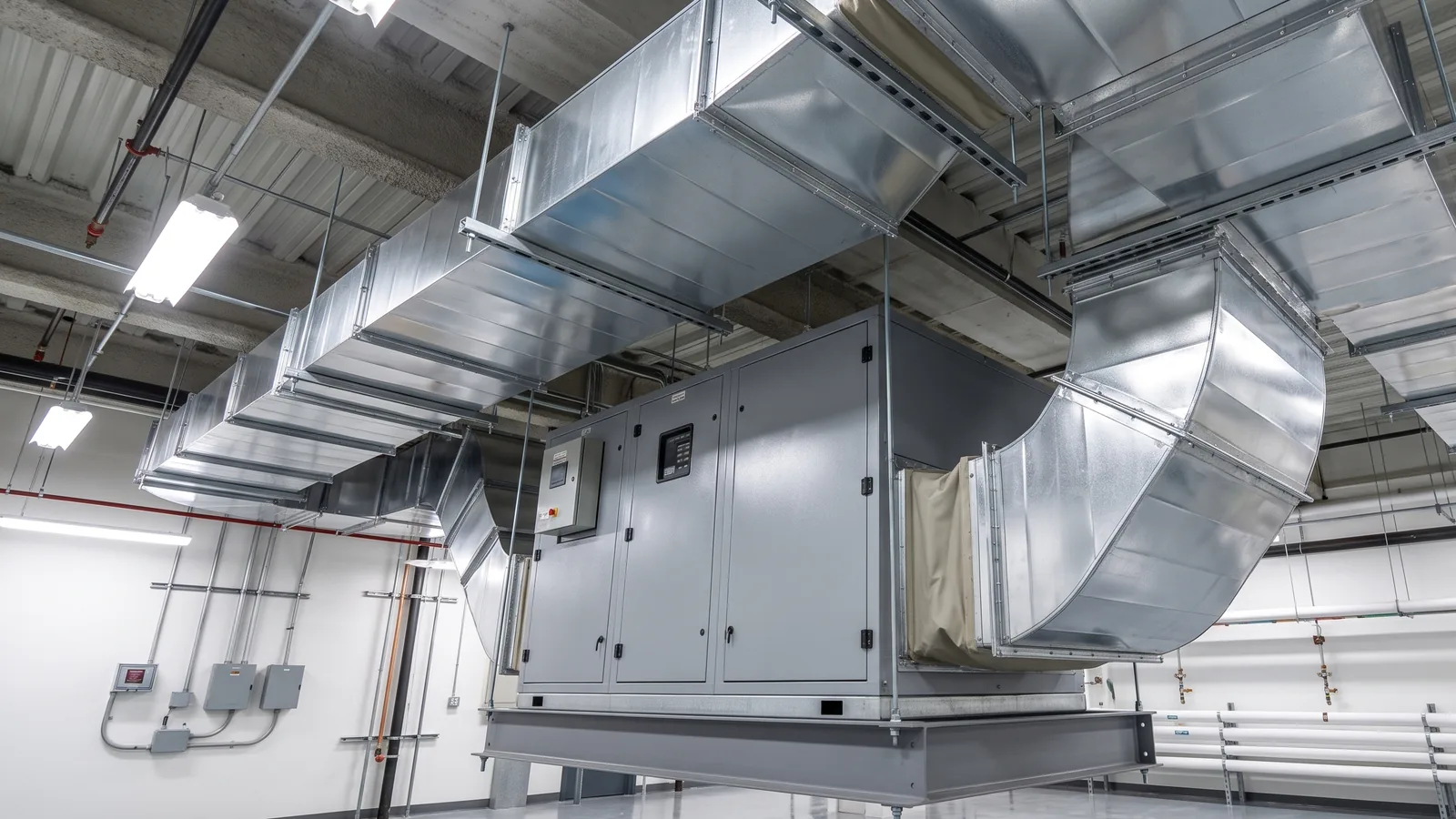
Commercial spaces increasingly integrate indoor plants to enhance employee wellbeing and air quality, but getting results depends on maintaining appropriate humidity levels. Poor humidity management undermines plant health while creating uncomfortable conditions that reduce staff productivity. Our commercial humidifier range includes units designed specifically for this dual-purpose application.
Commercial Benefits of Indoor Plant Integration
Australian businesses integrate indoor plants to create healthier workplaces while reducing operational costs through natural air purification. A 2024 study published in Environmental Science and Pollution Research found that offices with 18 plants maintained a median relative humidity of 49.2%, compared to just 29.1% in offices without plants.
Quantifiable Returns for Business Operations
- Natural humidity supplementation that reduces mechanical HVAC load during dry months
- Noise absorption in open-plan offices through leaf surface area
- Improved air quality through volatile organic compound (VOC) filtration and CO₂ reduction
- Enhanced corporate image for client-facing reception areas and lobbies
- Staff wellbeing improvements linked to how humidity control drives workplace performance
Facility managers report lower maintenance requirements compared to mechanical-only air quality systems while achieving better environmental outcomes across multiple comfort parameters.
How Indoor Plants Regulate Humidity Through Transpiration
Plants regulate indoor moisture content through transpiration. Water absorbed by the root system moves through the stem and evaporates through stomata, which are microscopic pores on leaf surfaces. A single large tropical plant can release 500 to 700 mL of water vapour per day under standard commercial lighting conditions.
This process works in both directions. In dry winter environments where heating systems strip moisture from the air, transpiration adds humidity back into the space. In humid summer conditions, appropriate plant selection paired with commercial dehumidifiers that actively control moisture levels keeps the target range locked in.
The relationship between plant density and ambient humidity is roughly linear up to a saturation point. For commercial facilities managing both dedicated plant zones and occupied work areas, zone separation prevents localised moisture from spreading into general circulation.
Plant Categories and Humidity Requirements
Different plant species require specific humidity ranges to thrive in commercial environments. Understanding these requirements ensures successful integration while maintaining optimal conditions for both vegetation and occupants.
| Plant Category | Optimal Humidity | Common Species | Water Requirements |
|---|---|---|---|
| Tropical Foliage | 60-70% RH | Ferns, Philodendrons, Monsteras | High (weekly) |
| Standard Office Plants | 50-60% RH | Pothos, Snake Plants, Peace Lilies | Medium (fortnightly) |
| Low-Humidity Tolerant | 30-50% RH | Succulents, Cacti, ZZ Plants | Low (monthly) |
| Epiphytes | 50-70% RH | Bromeliads, Tillandsia | Misting only |
Tropical species require commercial-grade ultrasonic humidification systems to maintain consistent moisture levels above 60% RH. These units deliver fine mist output that raises ambient humidity without causing condensation on building surfaces or equipment.
Human Comfort Parameters in Commercial Spaces
Australian workplace health and safety guidelines align with ASHRAE Standard 55, recommending relative humidity between 40-60% for optimal employee comfort and productivity. This range prevents respiratory irritation while inhibiting mould growth and static electricity buildup.
Health and Productivity Impacts by Humidity Level
- Below 30% RH: Increased respiratory infections, eye irritation, static discharge risk to sensitive equipment
- 30-40% RH: Acceptable but suboptimal for extended occupancy
- 40-60% RH: Target range for human comfort, productivity, and pathogen suppression
- 60-70% RH: Acceptable short-term for plant zones, but staff may report stuffiness
- Above 70% RH: Promotes mould growth, discomfort, and potential equipment damage
Maintaining precise humidity control requires professional-grade equipment capable of responding to changing occupancy levels and seasonal shifts. Ducted dehumidification systems integrate with existing HVAC infrastructure to provide whole-building humidity management without disrupting workplace aesthetics.
Balancing Plant and Human Requirements
The overlap between plant and human comfort zones occurs between 50-60% relative humidity, making this the target range for most commercial applications. This balance supports healthy plant growth while maintaining optimal conditions for employee wellbeing.
Zone-Based Humidity Management Strategies
Large commercial facilities benefit from creating distinct humidity zones based on occupancy patterns and plant placement. Reception areas with tropical plants may require 60-65% RH, while general office spaces maintain 50-55% RH.
| Zone Type | Target Humidity | Control Method | Monitoring Frequency |
|---|---|---|---|
| Reception/Lobby | 55-65% RH | Localised humidifiers | Daily |
| Open Office | 50-55% RH | Central HVAC integration | Continuous |
| Meeting Rooms | 45-55% RH | Demand-based control | Occupancy-triggered |
| Plant Display Areas | 60-70% RH | Dedicated systems | Twice daily |
Zone separation is particularly important in mixed-use facilities where high-humidity plant areas sit adjacent to sensitive spaces such as data centres that need tighter humidity bands for server protection.
Seasonal Humidity Challenges in Australia
Australian climate variations create distinct seasonal challenges for maintaining optimal humidity. Summer brings high ambient moisture requiring active dehumidification, while winter heating systems create excessively dry conditions that stress both plants and occupants.
Seasonal Control Requirements
- Summer (December-February): Dehumidification to prevent condensation, mould, and plant root rot
- Autumn (March-May): Minimal intervention as conditions naturally stabilise
- Winter (June-August): Humidification to counteract heating system dryness and maintain plant health
- Spring (September-November): Variable control responsive to weather pattern shifts
Year-round management demands equipment that handles both humidification and dehumidification as conditions change. For facilities operating in cold climates or cold-storage zones, desiccant dehumidification systems that operate from -20°C to +50°C outperform refrigerant units that lose capacity below 15°C.
Monitoring and Maintaining Optimal Conditions
Effective humidity management requires more than equipment installation. Ongoing monitoring ensures conditions remain within target bands as occupancy, plant growth, and seasonal patterns shift.
- Place calibrated hygrometers at workstation height (1.1-1.5 m) in each humidity zone
- Log readings at minimum 15-minute intervals for trend analysis
- Set alert thresholds at ±5% RH from the zone target
- Inspect plant health weekly as a leading indicator of humidity drift
- Clean humidifier and dehumidifier filters on manufacturer-recommended schedules
Data-logging sensors connected to building management systems give facility managers real-time visibility across all zones without manual spot checks. Trend data also reveals whether existing equipment is cycling excessively, which signals oversizing or control-band misconfiguration.
Implementation Best Practices
Integrating plants into commercial environments requires systematic planning and appropriate equipment selection. Initial assessment should evaluate existing HVAC capabilities, identify optimal plant placement across your facility and service region, and determine required humidity control capacity.
Critical Implementation Steps
- Conduct baseline humidity monitoring across all zones for a minimum of 7 days
- Calculate moisture load from planned plant installations
- Assess existing HVAC capacity and integration points
- Select appropriate commercial humidity control equipment based on zone requirements
- Install monitoring systems with remote alerting capabilities
- Establish maintenance schedules for both plants and equipment
- Train facilities staff on system operation and troubleshooting
Professional consultation ensures correct equipment sizing and placement. Oversized systems waste energy through excessive cycling, while undersized units fail to maintain required conditions during peak demand.
Contact Moisture Cure Commercial for a comprehensive site assessment and customised humidity control recommendations. With more than 20 years of experience in commercial and industrial humidity control, our technical specialists design solutions that protect plant health, employee comfort, and operational efficiency.
Frequently Asked Questions
What humidity level works for both office plants and employee comfort?
The overlap zone sits between 50-60% relative humidity. This range supports most standard office plant species while meeting ASHRAE Standard 55 guidelines for human thermal comfort in occupied commercial spaces.
Do indoor plants increase humidity enough to cause mould problems?
A small number of office plants will not push humidity to dangerous levels. However, large-scale tropical plantings in enclosed spaces can raise RH above 70% without adequate ventilation or dehumidification. Zone-based controls prevent localised moisture buildup from spreading to general work areas.
How many plants does it take to measurably change office humidity?
Research published in Environmental Science and Pollution Research measured median RH of 29.1% in offices with no plants, 38.9% with 5 plants, and 49.2% with 18 plants. The effect scales with leaf surface area, so fewer large-leafed tropical species can match the output of many smaller plants.
Should I use humidifiers or dehumidifiers in an office with plants?
Most Australian commercial facilities need both at different times of year. Humidifiers maintain plant health during dry winter months when heating systems strip indoor moisture.
Dehumidifiers prevent condensation and mould during humid summer periods. Dual-capability or paired equipment handles the full annual cycle.
Can plants replace mechanical humidity control in commercial buildings?
Plants supplement mechanical systems but cannot replace them in commercial settings. Building air exchange rates, occupant loads, and process heat all affect humidity far more than plant transpiration alone. Plants work best as one layer of a broader humidity management strategy.
What is the most cost-effective way to add humidity for office plants?
Ultrasonic humidifiers offer the lowest running costs for targeted zones because they use no heat element and consume minimal electricity. For whole-building applications, ducted systems integrated with existing HVAC provide better coverage per dollar spent on equipment and installation.