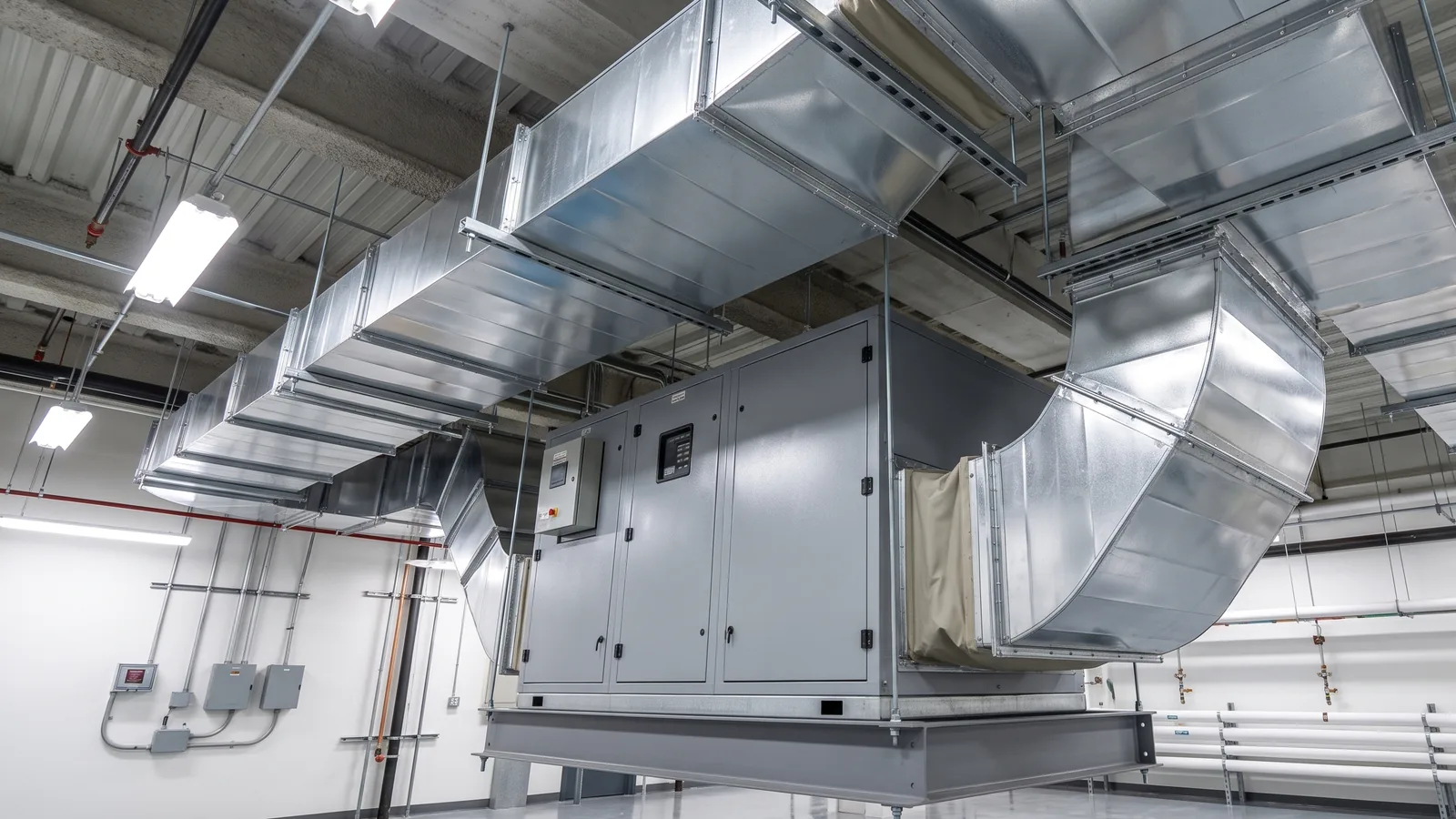
Libraries and archives face unique preservation challenges that directly impact operational costs and collection longevity. Temperature and humidity fluctuations cause irreversible damage to paper, photographs, magnetic media and digital storage systems. Our commercial humidifier range includes units suited to this application, and our full humidity control solutions cover every system type used in cultural institutions.
Critical Humidity Ranges for Collection Storage
Australian cultural institutions must maintain precise environmental conditions year-round to meet preservation standards. Each material type requires specific humidity parameters to prevent deterioration.
| Material Type | Optimal RH Range | Temperature Range | Risk Above Range |
|---|---|---|---|
| Paper documents | 45–55% | 18–22°C | Mould, foxing, adhesive failure |
| Photographic prints | 30–40% | 18–20°C | Emulsion softening, blocking |
| Magnetic media | 35–45% | 16–20°C | Binder hydrolysis, print through |
| Optical discs | 20–50% | 16–20°C | Delamination, oxidation |
| Microfilm | 30–40% | 18–21°C | Vinegar syndrome, shrinkage |
Storage areas with humidity above 65% RH accelerate chemical reactions that break down organic materials. Below 35% RH, materials become brittle and develop stress fractures during handling.
Recognised Preservation Standards
Several international standards govern environmental conditions for archival storage. Australian institutions reference these when specifying humidity control systems for libraries and archives.
- ISO 11799:2015: Specifies document storage requirements for archive and library materials, including humidity ranges of 35–60% RH for organic materials and maximum ±5% RH fluctuation within any 24-hour period
- ASHRAE Chapter 24 (HVAC Applications): Covers climate control design for museums, galleries, archives and libraries, and is the primary engineering reference used in Australia for preservation HVAC systems
- National Archives and Records Administration (NARA) 1571: Sets archival storage standards referenced by government archives worldwide
- American Library Association (ALA): Recommends 30–50% RH specifically for photographic materials
The common thread across all standards is that environmental stability matters as much as hitting specific numbers. Maintaining consistent conditions with minimal fluctuation prevents the expansion-contraction cycles that cause cumulative mechanical damage to collection materials.
Why Stability Matters More Than Exact Numbers
A 3°C temperature swing shifts relative humidity by roughly 10%. Even modest HVAC cycling can push conditions outside safe ranges if the system is oversized or poorly commissioned.
Hygroscopic materials such as paper, parchment and textiles absorb and release moisture continuously. Gradual changes allow materials to adjust through stress relaxation, but rapid fluctuations cause repeated expansion and contraction that cracks bindings, warps covers and separates laminated layers.
This is why building envelope performance matters. Poorly insulated walls, single-glazed windows and unsealed loading docks allow external conditions to override mechanical climate control. Assessing envelope integrity before specifying equipment prevents oversizing systems that cycle frequently and create the instability they were meant to prevent.
Biological Contamination in High-Humidity Environments
Moisture creates ideal conditions for biological threats that compromise both collections and building infrastructure. Active infestations can spread through entire facilities within weeks if environmental controls fail.
Common Pests in Australian Archives
- Silverfish: Feed on paper sizing and adhesives, leaving irregular holes and surface erosion
- Booklice: Consume microscopic mould on paper surfaces in areas above 60% RH
- Carpet beetles: Larvae destroy wool, silk and leather bindings in fluctuating conditions
- German cockroaches: Contaminate materials with faecal spotting and attract secondary pests
- House mice: Shred paper for nesting and leave urine stains that cause permanent damage
Mould spores activate at 65% RH and can colonise entire collections within 48–72 hours. Beyond collection damage, mould exposure poses respiratory health risks to staff and researchers working in affected areas. Facilities should maintain HEPA-filtered air handling and provide appropriate protective equipment during any remediation work.
Mechanical Stress from Humidity Fluctuations
Daily humidity swings cause materials to expand and contract repeatedly, creating cumulative damage. Composite materials like bound books experience differential movement between components.
Physical Changes by Humidity Level
- Paper fibres: Swell up to 8% with moisture absorption, causing cockling and distortion
- Adhesives: Soften above 60% RH, leading to binding failures and label detachment
- Photographic emulsions: Crack below 30% RH and block together above 50% RH
- Leather bindings: Red rot accelerates above 55% RH, while low humidity causes brittleness
- Parchment: Dimensional changes up to 4% create tears at attachment points
Dehumidification Systems for Archive Applications
Commercial archives require industrial-grade equipment designed for continuous operation and precise control. Desiccant dehumidification systems provide the tight humidity control essential for preservation environments, maintaining stable conditions regardless of outdoor temperature.
| System Type | Best Application | Control Precision | Operating Range |
|---|---|---|---|
| Desiccant | Cool stores, rare collections | ±2% RH | -20°C to +50°C |
| Refrigerant | General storage above 15°C | ±5% RH | Above 15°C only |
| Ducted | Multi-zone facilities | ±3% RH per zone | Depends on core unit |
| Portable | Temporary storage, disaster recovery | ±5% RH | Variable by model |
Desiccant units are the preferred choice for archival environments because they deliver ±2% RH precision across a wide temperature range, including cold storage vaults where refrigerant dehumidifiers lose effectiveness below 15°C.
For facilities with multiple storage areas requiring different conditions, ducted dehumidification solutions enable centralised control while maintaining zone-specific parameters. These systems integrate with existing HVAC infrastructure to minimise installation disruption. Institutions managing both museum exhibition spaces and archive storage areas often combine ducted systems with standalone desiccant units for their most sensitive vaults.
Humidification Requirements in Dry Climates
Australian inland regions experience extended periods below 30% RH, requiring active humidification to prevent desiccation damage. Materials stored in uncontrolled dry conditions deteriorate faster than those in moderately humid environments.
Signs of Low Humidity Damage
- Paper edges curl and become brittle to touch
- Book spines crack when opened past 90 degrees
- Photographic prints develop micro-cracks in emulsion layers
- Magnetic tape exhibits edge flaking and shedding
- Vellum and parchment warp into permanent curves
Modern ultrasonic humidification systems produce consistent moisture levels without creating wet spots or condensation. These units integrate with building management systems for automated seasonal adjustments. The same technology protects collections in art galleries and fine art storage facilities, where paintings and works on paper demand similar precision.
Monitoring and Control Integration
Professional archive management requires continuous environmental monitoring with automated response capabilities. Data logging systems track conditions 24/7 and trigger corrective actions before damage thresholds are reached.
Essential Monitoring Parameters
- Multiple sensor points: Minimum one per 50 m² of storage space
- Data logging intervals: 15-minute recordings for trend analysis
- Alert thresholds: ±5% RH deviation triggers immediate notification
- Backup systems: Redundant equipment activates during primary failure
- Remote access: Cloud-based monitoring enables off-site management
Implementation Strategies for Existing Facilities
Retrofitting heritage buildings and older storage facilities presents unique challenges requiring careful planning. Equipment selection must balance preservation requirements with building constraints and operational budgets.
Start with comprehensive environmental assessment including seasonal variations, building envelope performance and existing mechanical systems. This data informs equipment sizing and identifies areas requiring additional vapour barriers or insulation upgrades.
Phased Implementation Approach
- Priority assessment: Identify most valuable or vulnerable collections requiring immediate protection
- Zone creation: Establish buffer areas between controlled and uncontrolled spaces
- Equipment staging: Install systems progressively to minimise operational disruption
- Staff training: Develop protocols for system operation and emergency response
- Performance validation: Verify conditions meet target parameters before full collection transfer
Maintenance Requirements for Long-Term Performance
Archive humidity control systems operate continuously, requiring regular maintenance to prevent unexpected failures. Preventive maintenance programmes reduce emergency callouts and extend equipment lifespan.
Quarterly Maintenance Tasks
- Filter replacement or cleaning depending on dust levels
- Condensate drain inspection and cleaning
- Control sensor calibration verification
- Refrigerant pressure checks for DX systems
- Desiccant wheel inspection for contamination
Annual service contracts ensure priority response during critical periods like seasonal transitions. Professional technicians identify developing issues before they impact collection environments.
Frequently Asked Questions
What humidity level should a library or archive maintain?
General paper-based collections perform best at 45–55% RH with temperatures between 18–22°C. Photographic materials and film require tighter control at 30–40% RH. ISO 11799:2015 sets the broad acceptable range for organic materials at 35–60% RH and limits fluctuations to ±5% within any 24-hour period.
Why do humidity fluctuations damage library collections?
Paper, leather, parchment and textiles are hygroscopic, absorbing moisture when humidity rises and releasing it when humidity drops. Each cycle causes physical expansion and contraction that weakens fibres, cracks adhesives and separates layered materials. The damage is cumulative and irreversible.
Should archives use desiccant or refrigerant dehumidifiers?
Desiccant units are the standard for archival environments because they deliver ±2% RH precision and operate across temperatures from -20°C to +50°C. Refrigerant dehumidifiers lose effectiveness below 15°C, making them unsuitable for cold storage vaults where rare or photographic collections are typically housed.
How quickly can mould damage library collections?
Mould can colonise paper-based materials within 48–72 hours once relative humidity exceeds 65%. Spores are always present in the air, so controlling humidity is the primary prevention method. Once active, mould causes permanent staining, weakens paper fibres and poses respiratory health risks to staff.
What does an archive humidity control system cost to run?
Operating costs vary with facility size, climate zone and equipment type. Desiccant and ducted systems typically cost less to run than relying on HVAC heating alone, because they target moisture directly rather than using temperature changes to manage relative humidity. A site-specific assessment determines the most efficient configuration.
How often should archive climate control equipment be serviced?
Quarterly checks covering filters, sensors and condensate drains are the minimum. A full annual service should include desiccant wheel inspection, refrigerant pressure testing and control system calibration. Continuous-use environments like archives demand more frequent attention than seasonal installations.
Business Case for Professional Humidity Control
Investment in proper environmental controls delivers measurable returns through reduced conservation costs and extended collection lifespans. Insurance premiums often decrease when facilities demonstrate compliance with preservation standards such as ISO 11799 and ASHRAE Chapter 24.
Collections maintained at stable, controlled humidity levels require significantly less conservation intervention over their lifetime compared to those in uncontrolled storage. This translates to lower specialist labour and materials costs while preserving irreplaceable cultural assets for future generations.
Ready to protect your valuable collections with professional humidity control? Contact Moisture Cure Commercial for a comprehensive site assessment and customised solution design tailored to your facility’s specific preservation requirements.