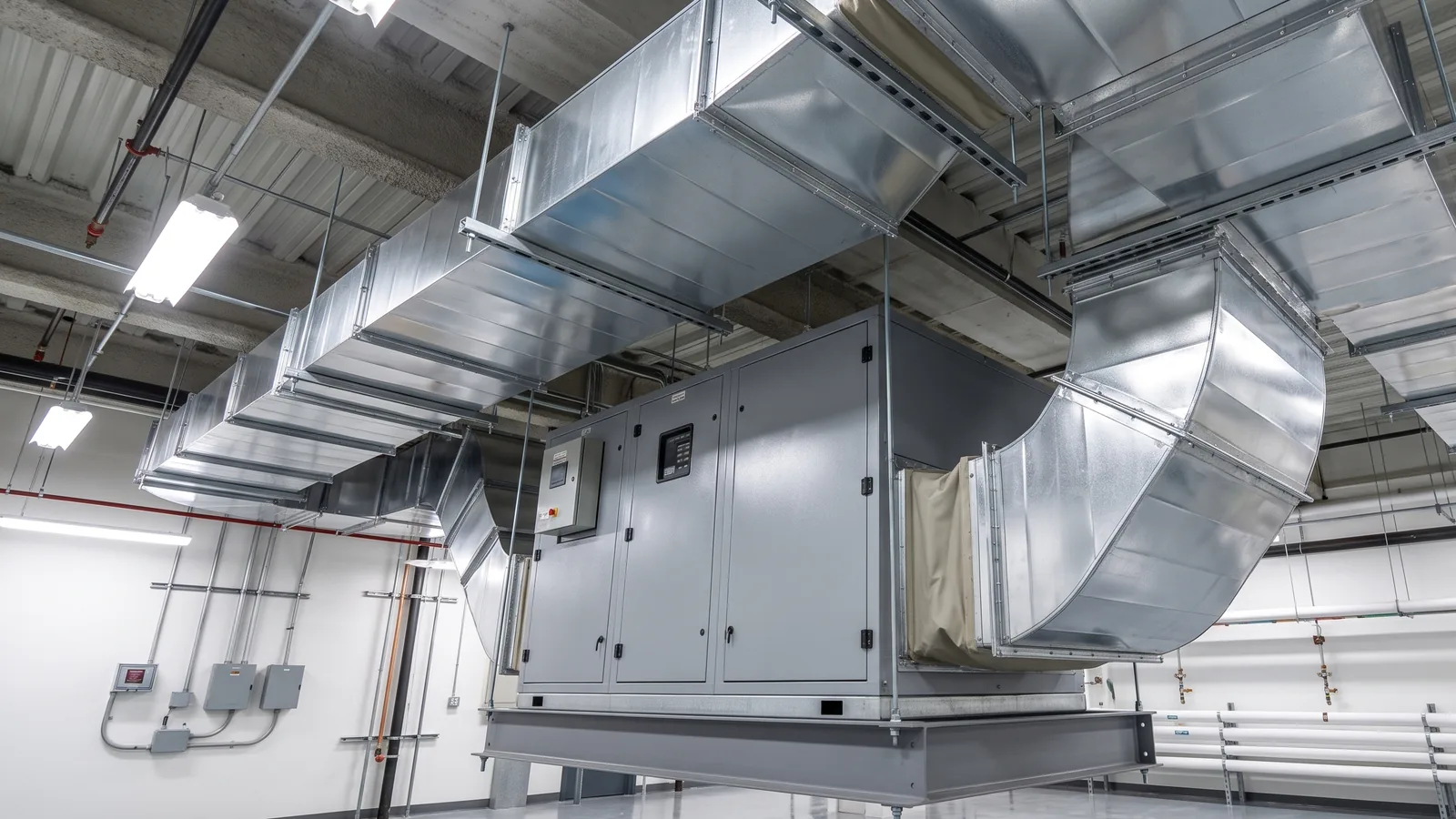
Medical cannabis cultivation demands precise environmental control to ensure consistent product quality and regulatory compliance. Humidity management directly affects cannabinoid profiles, terpene development, and yield consistency across every growth stage. Our commercial humidification solutions include units suited to this application.
Commercial facilities operating under Australia’s Therapeutic Goods Administration guidelines must maintain strict environmental parameters to meet pharmaceutical-grade standards. Proper humidity control systems underpin successful cultivation operations and protect significant capital investment in both equipment and crop.
Growth Phase Humidity Requirements
Cannabis plants require dramatically different humidity levels as they progress through developmental stages. Each phase presents unique challenges that require specific humidity control strategies.
| Growth Stage | Relative Humidity | Temperature Range | Key Considerations |
|---|---|---|---|
| Propagation | 75-85% | 22-26°C | Root development, cutting survival |
| Vegetative | 55-70% | 20-28°C | Rapid growth, nutrient uptake |
| Early Flower | 45-55% | 18-26°C | Bud formation, stretch control |
| Late Flower | 35-45% | 18-24°C | Resin production, mould prevention |
| Drying | 45-55% | 15-21°C | Terpene preservation, even drying |
| Curing | 55-65% | 18-22°C | Flavour development, moisture equalisation |
Propagation areas benefit from ultrasonic humidification systems that maintain stable moisture levels for vulnerable cuttings. These units deliver fine mist without creating water droplets that could damage delicate plant tissues.
Vegetative growth phases require balanced conditions that support rapid cellular expansion without encouraging pathogen development. Facilities typically implement zone-based control systems that allow different areas to maintain phase-specific conditions simultaneously.
Disease Prevention Through Humidity Management
Pathogen control remains the primary concern for commercial cannabis operations. Botrytis, powdery mildew, and other fungal diseases can destroy entire crops within days under improper humidity conditions.
- Botrytis cinerea thrives above 55% RH during flowering, particularly when airflow is restricted
- Powdery mildew spreads rapidly between 50-70% RH with poor air circulation
- Root rot accelerates when substrate moisture combines with high ambient humidity
- Spider mites proliferate in environments below 40% RH
- Fusarium wilt develops faster in consistently humid conditions above 65% RH
- Bacterial soft rot occurs when humidity exceeds 80% with insufficient air exchange
Flowering rooms require refrigerant dehumidifiers rated for continuous operation capable of maintaining precise setpoints while handling heavy transpiration loads. These systems must operate continuously without creating temperature fluctuations that stress plants.
Prevention strategies include implementing redundant systems that ensure continuous operation even during equipment maintenance. Many facilities deploy multiple smaller units rather than single large systems to maintain operational continuity, an approach known as N+1 redundancy planning for industrial dehumidifiers.
Understanding Vapour Pressure Deficit in Cannabis Facilities
Relative humidity alone does not tell the full story. Vapour pressure deficit (VPD) measures the difference between the moisture the air holds and the maximum it could hold at a given temperature. VPD drives transpiration: when VPD is too low, plants struggle to move water through their tissues; when it is too high, stomata close and photosynthesis slows.
Commercial cannabis facilities typically target these VPD ranges:
- Propagation and clones: 0.4-0.8 kPa (high humidity, gentle transpiration)
- Vegetative growth: 0.8-1.2 kPa (moderate transpiration for nutrient uptake)
- Flowering: 1.0-1.5 kPa (controlled transpiration for resin production)
Maintaining the correct VPD requires coordinated control of both temperature and humidity. Facilities that manage humidity and temperature independently often find conditions drifting outside acceptable VPD bands, which is why integrated building management systems that track VPD in real time have become standard in controlled environment agriculture operations.
Calculating Dehumidification Requirements
Proper equipment sizing prevents both overcapacity waste and undercapacity failures. Cannabis plants transpire the vast majority of their water intake, creating substantial moisture loads that commercial systems must handle efficiently.
| Room Size (m²) | Plant Count | Estimated Daily Water Use (L) | Approximate Moisture Load (L/day) | Peak Transpiration Period |
|---|---|---|---|---|
| 100 | 100-150 | 200-300 | 190-285 | Lights-on hours |
| 250 | 250-375 | 500-750 | 475-712 | Mid-photoperiod |
| 500 | 500-750 | 1,000-1,500 | 950-1,425 | Peak vegetative growth |
| 1,000 | 1,000-1,500 | 2,000-3,000 | 1,900-2,850 | Environmental stress response |
Facility managers must account for peak load conditions that occur during rapid vegetative growth and early flowering transitions. Systems sized for average conditions often fail during these periods. For a detailed approach, refer to our guide on how to size an industrial dehumidifier for your facility.
Professional load calculations should include external factors such as building infiltration, HVAC system interactions, and seasonal variations in ambient conditions. Australian climates present distinct challenges, with high summer humidity in coastal regions and extreme dryness in inland areas.
Equipment Selection and Placement Strategies
Commercial cannabis facilities require industrial-grade humidity control systems that operate reliably in demanding agricultural environments. Equipment selection must consider factors beyond basic capacity, including energy efficiency, maintenance requirements, and integration capabilities.
- Refrigerant systems excel in high-load flowering environments with consistent heavy moisture removal needs
- Desiccant units provide superior low-humidity control for late flowering and drying applications, particularly where temperatures drop below 15°C and refrigerant systems lose effectiveness
- Ducted systems offer centralised control for multi-room facilities with varying humidity requirements
- Portable units enable flexible deployment for temporary isolation or quarantine areas
- Integrated building management systems allow automated responses to changing plant needs
- Backup power connections ensure continuous operation during electrical disruptions
Placement strategies significantly impact system effectiveness and energy consumption. Units positioned near high transpiration areas capture moisture more efficiently than centrally located equipment.
Professional installations include proper drainage systems, adequate clearances for maintenance access, and appropriate electrical connections that meet Australian safety standards. Ducted dehumidifiers often provide the most efficient solution for large facilities requiring precise zone control.
Australian Regulatory Framework and Climate Factors
Medicinal cannabis cultivation in Australia operates under a dual licensing framework. Growers must hold both a manufacturing and cultivation licence from the Office of Drug Control (ODC) under the Narcotic Drugs Act 1967, and a Good Manufacturing Practice (GMP) licence from the Therapeutic Goods Administration (TGA).
GMP compliance requires documented environmental control procedures, validated monitoring systems, and audit trails for all climate parameters including humidity. Facilities must demonstrate that their humidity control equipment can maintain specified conditions consistently, with calibrated sensors and regular verification schedules.
Australia’s diverse climate adds complexity to facility design:
- Tropical regions (northern Queensland, Top End) face year-round high ambient humidity that demands continuous dehumidification
- Coastal areas (Sydney, Melbourne, Brisbane) experience seasonal humidity spikes that can overwhelm undersized equipment
- Inland and arid regions require active humidification during propagation and vegetative stages to prevent plant stress
- Temperature swings between seasons affect equipment performance, making desiccant dehumidifiers valuable for their consistent performance across wide temperature ranges
Facilities operating in regions with extreme ambient conditions should consider oversizing their humidity control systems by 20-30% above calculated peak loads to account for unexpected weather events.
Integration with Existing HVAC Systems
Humidity control in cannabis facilities depends on effective coordination between dedicated dehumidification equipment and existing HVAC infrastructure. When these systems work against each other, the result is wasted energy, competing operations, and inconsistent conditions.
Effective integration starts with understanding how air handling units, ventilation systems, and temperature controls interact with supplementary humidity equipment. Modern ducted dehumidifiers can be incorporated directly into existing ductwork, providing centralised moisture removal without requiring extensive facility modifications. Connecting dehumidifiers to a building management system allows automated coordination between heating, cooling, and moisture removal.
Key factors for a humidity control upgrade:
- Ductwork modifications and airflow balancing requirements
- Control system compatibility and automation possibilities
- Power supply adequacy and electrical integration needs
- Condensate drainage routing and pump requirements
- Sensor placement for accurate humidity monitoring across zones
- Backup system protocols during maintenance periods
Maintenance Schedules and System Monitoring
Preventive maintenance keeps humidity control reliable in commercial cannabis operations. Regular servicing prevents equipment failures during critical growth phases and maintains energy efficiency over the long term.
Proactive monitoring lets facility managers catch problems before they affect crop quality. Digital humidity sensors, data logging systems, and remote monitoring capabilities provide real-time insights into system performance and environmental stability.
Follow a structured commercial dehumidifier maintenance schedule that includes:
- Weekly filter inspections and monthly replacements during peak growing seasons
- Quarterly coil cleaning and refrigerant level checks for optimal heat exchange
- Bi-annual calibration of humidity sensors and control systems
- Daily monitoring of condensate removal and drainage function
- Monthly documentation of energy consumption patterns and efficiency metrics
- Annual professional servicing including electrical connections and safety systems
Frequently Asked Questions
What humidity level is best for flowering cannabis?
During early flowering, maintain 45-55% RH to support bud formation. Drop to 35-45% RH during late flowering to maximise resin production and minimise the risk of Botrytis cinerea, which thrives above 55% RH in dense canopy environments.
How does vapour pressure deficit affect cannabis growth?
VPD measures the drying power of the air. When VPD is too low (below 0.4 kPa), transpiration stalls and nutrient uptake slows. When it is too high (above 1.5 kPa), plants close their stomata to conserve water, limiting CO2 absorption and photosynthesis. Most commercial growers target 0.8-1.2 kPa during vegetative growth.
What type of dehumidifier is best for a cannabis grow room?
Refrigerant dehumidifiers handle high moisture loads efficiently in flowering rooms above 15°C. For drying rooms and cold environments, desiccant dehumidifiers perform better because they do not rely on condensation and operate effectively down to -20°C.
How do you prevent mould in a cannabis cultivation facility?
Maintain RH below 55% during flowering, ensure adequate airflow between plants, use HEPA-filtered air exchanges, and deploy redundant dehumidification so that humidity control continues during equipment maintenance. Monitoring VPD rather than RH alone provides more reliable pathogen prevention.
What size dehumidifier does a commercial grow room need?
Cannabis plants transpire most of the water they receive. A 100 m² flowering room with 100-150 plants typically generates 190-285 litres of moisture per day during peak transpiration. Size your system 20-30% above calculated peak loads to handle unexpected surges.
Do cannabis plants need humidity control during drying and curing?
Yes. Drying rooms should hold 45-55% RH at 15-21°C for 10-14 days. Curing requires 55-65% RH at 18-22°C, which allows residual moisture to redistribute evenly through the flower, preserving terpenes and developing flavour without encouraging mould.
How does Australian regulation affect grow room humidity design?
Australian medicinal cannabis cultivators must hold licences from both the ODC and TGA. GMP compliance requires validated environmental monitoring, calibrated sensors, documented maintenance logs, and audit trails for all climate parameters, including humidity.
Can ultrasonic humidifiers be used in cannabis propagation?
Ultrasonic humidifiers produce a fine cold mist that raises humidity without adding heat, making them well suited for propagation and clone rooms where cuttings need 75-85% RH. They also avoid wetting leaf surfaces, which reduces the risk of fungal infection on delicate new growth.
What happens if humidity is too low in a cannabis grow facility?
Humidity below 40% RH causes plants to close stomata, slowing photosynthesis and nutrient absorption. Leaves curl and develop crispy edges. Low humidity also encourages spider mite populations, which thrive in dry conditions and can spread rapidly through a commercial crop.