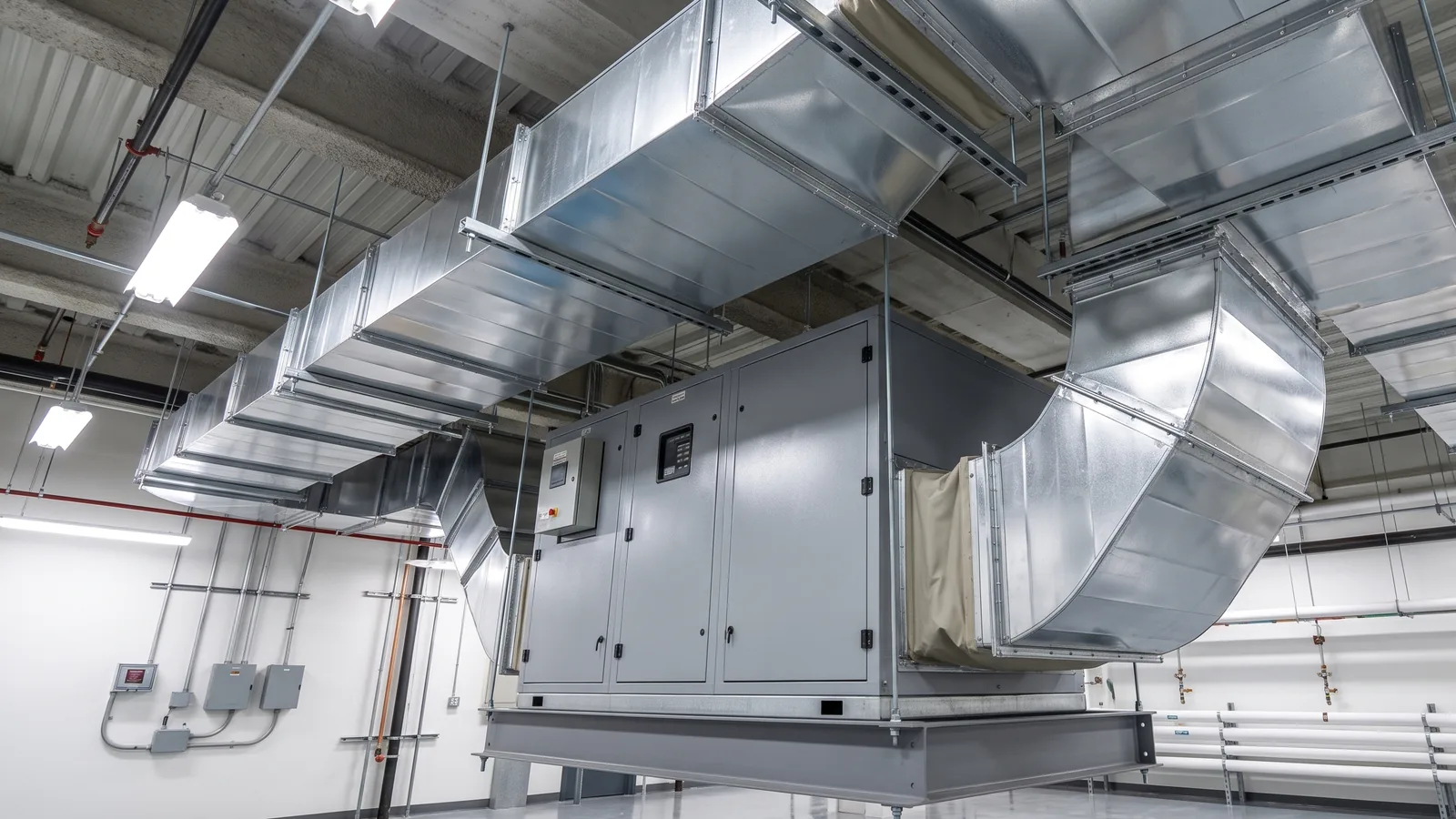
Tea processing facilities face unique humidity challenges that directly impact product quality and operational costs. Each stage of tea production requires specific moisture levels to prevent contamination, maintain consistency, and protect valuable harvests. Commercial humidification systems designed for food processing provide the precise environmental control that tea facilities demand.
Critical Humidity Requirements Throughout Tea Production
Modern tea processing involves six distinct stages, each demanding precise environmental control. Failure to maintain proper humidity at any stage results in quality degradation and financial losses.
| Processing Stage | Required RH Range | Temperature Range | Critical Control Points |
|---|---|---|---|
| Fresh Leaf Storage | 70–85% | 15–20°C | Prevent wilting and cellular damage |
| Withering | 60–70% | 20–25°C | Control moisture reduction from ~80% to ~68% |
| Rolling/Crushing | 65–75% | 22–28°C | Maintain leaf flexibility for cell rupture |
| Fermentation/Oxidation | 95–98% | 24–27°C | Enable polyphenol oxidase activity |
| Drying | 30–40% | 80–120°C | Achieve 3–4% final moisture content |
| Packaging/Storage | 50–60% | 18–22°C | Prevent mould and staleness |
During withering, leaves lose roughly 12 percentage points of moisture content (from approximately 80% down to 68%), which concentrates flavour compounds and prepares the leaf for rolling. Ducted dehumidification systems provide the controlled airflow needed to maintain consistent withering rates across varying ambient conditions.
Fermentation (oxidation) is the most humidity-critical stage. The enzyme polyphenol oxidase converts catechins into theaflavins and thearubigins, which determine the colour, body, and strength of black tea. This reaction requires near-saturation humidity (95–98% RH) at a controlled temperature.
Too little moisture stalls the reaction before flavour compounds fully develop. Too much encourages bacterial growth and over-fermentation, producing sour, flat flavours that cannot be corrected in later processing stages.
Humidity Requirements by Tea Type
Different tea varieties require different humidity profiles during processing, based on the degree of oxidation each type undergoes.
| Tea Type | Oxidation Level | Fermentation RH | Key Humidity Consideration |
|---|---|---|---|
| Black Tea | Full (95–100%) | 95–98% | Extended high-humidity fermentation for full colour and flavour development |
| Oolong Tea | Partial (20–80%) | 75–85% | Precise RH control to halt oxidation at the target level |
| Green Tea | Minimal (<5%) | N/A (dehumidified) | Rapid dehumidification after steaming or pan-firing to prevent any oxidation |
| White Tea | Very light (5–10%) | 45–55% | Gentle withering at lower humidity to preserve delicate compounds |
Green and white tea processing presents the inverse challenge. Rather than adding humidity, these varieties require rapid moisture removal after the initial heat-kill step to arrest oxidation entirely.
Desiccant dehumidifiers that operate effectively across a wide temperature range are well suited to this role. They perform reliably in facilities that process multiple tea types on the same commercial production line, switching between low-humidity drying and ambient recovery between batches.
Equipment Contamination Risks from Poor Humidity Control
Condensation on processing equipment creates immediate food safety hazards. Water droplets forming on machinery surfaces introduce bacterial contamination that can compromise entire production batches.
High-Risk Contamination Points
- Overhead conveyors where condensate drips onto processed leaves
- Rolling machines where moisture causes bacterial growth in crevices
- Oxidation room ceilings where temperature differentials create condensation
- Packaging equipment where humidity causes label adhesion failures and static issues at RH below 55%
- Storage areas where fluctuating conditions promote mould growth
Under Food Standards Australia New Zealand (FSANZ) regulations, food processing facilities must maintain documented environmental controls. Non-compliance results in production shutdowns, potential recalls, and enforcement action.
Financial Impact of Humidity-Related Production Losses
Tea processors with inadequate humidity control typically experience yield losses across multiple stages, compounding into significant financial impacts on operations.
Common Loss Scenarios
- Over-withered leaves that shatter during rolling, reducing usable yield
- Under-oxidised or over-fermented batches requiring reprocessing or downgrading
- Mould contamination in storage requiring batch disposal
- Equipment downtime for cleaning condensation buildup
- Increased energy consumption from inefficient drying processes
A single contamination event can require disposal of an entire production run worth thousands of dollars. Proper humidity control systems reduce these risks while also providing an evaporative cooling benefit, lowering the overall cooling load on HVAC systems in processing areas.
Selecting Appropriate Humidity Control Technology
Different tea processing areas require specific humidity control approaches based on temperature ranges and moisture removal requirements.
| Processing Area | Recommended System Type | Key Selection Criteria |
|---|---|---|
| Withering Rooms | Ducted Refrigerant | High airflow, moderate temperature |
| Oxidation Chambers | Ultrasonic Humidifiers | Precise RH control, minimal heat addition |
| Drying Areas | Desiccant Systems | Low RH capability, high temperature tolerance |
| Storage Facilities | Industrial Refrigerant | Large capacity, energy efficiency |
System sizing depends on room volume, air exchange rates, and ambient conditions specific to your facility location. Knowing when to choose a desiccant unit over a refrigerant system is critical, particularly for drying areas where temperatures exceed the operating range of compressor-based equipment.
Integration with Existing Processing Equipment
Modern humidity control systems integrate with existing tea processing lines through automated control interfaces. This enables real-time adjustments based on production schedules and ambient conditions.
Integration Benefits
- Automated stage transitions without manual intervention
- Data logging for quality assurance documentation
- Remote monitoring for multi-site operations
- Energy optimisation through load-based operation
- Predictive maintenance alerts to prevent unplanned downtime
Facilities processing both black and green tea benefit from integrated systems that can switch between humidification and dehumidification modes. This flexibility is particularly valuable in Australian processing environments where ambient conditions vary significantly between seasons.
Maintenance Requirements for Tea Processing Environments
Tea processing creates unique maintenance challenges due to leaf particles and essential oils in the air. Regular maintenance prevents system degradation and ensures consistent performance throughout production seasons.
Essential Maintenance Schedule
- Weekly: Filter cleaning and condensate drain inspection
- Monthly: Coil cleaning and airflow verification
- Quarterly: Control calibration and component inspection
- Annually: Complete system service and efficiency testing
- As needed: Oil residue removal from heat exchangers
Proper maintenance extends equipment life while maintaining the precise control necessary for consistent tea quality. Tobacco processing facilities face similar airborne particulate challenges and require comparable cleaning schedules for humidity control equipment.
Regulatory Compliance and Quality Certification
Australian tea processors must comply with food safety standards that include environmental monitoring requirements. Humidity control systems provide the documentation and consistency needed for certification.
| Certification Type | Humidity Requirements | Documentation Needed |
|---|---|---|
| HACCP | Critical control point monitoring | Continuous data logging |
| Organic Certification | Contamination prevention | Equipment cleaning records |
| Export Standards | Consistent quality parameters | Batch environmental data |
| FSANZ Compliance | Mould prevention protocols | Storage condition records |
Modern control systems automatically generate compliance reports, reducing administrative burden while ensuring audit readiness. According to the Australian Department of Agriculture, exported tea products must meet destination country phytosanitary requirements, which typically include documented humidity monitoring during storage and transport.
Frequently Asked Questions
What humidity level should a tea storage facility maintain?
Tea storage facilities should maintain relative humidity between 50% and 60% at 18–22°C. Above 65% RH, tea absorbs ambient moisture and develops mould or stale flavours. Below 45% RH, leaves become brittle and lose aromatic compounds through excessive desiccation.
Why does tea fermentation require such high humidity?
Fermentation (oxidation) relies on the enzyme polyphenol oxidase to convert catechins into theaflavins and thearubigins. This enzymatic reaction requires near-saturation humidity (95–98% RH) at the leaf surface. If humidity drops too low, the leaf surface dries and the reaction stalls before flavour compounds fully develop.
What type of dehumidifier works best for tea drying?
Desiccant dehumidifiers are the standard choice for tea drying areas. They operate effectively at the high temperatures (80–120°C) common in tea dryers, where refrigerant-based systems cannot function. Desiccant dehumidifiers designed for commercial food drying achieve the low RH levels (30–40%) required for proper final moisture content.
How do you prevent condensation in a tea processing facility?
Condensation forms when warm, humid air contacts cooler surfaces. Prevention strategies include maintaining consistent air temperatures, eliminating cold spots through insulation, and using dehumidifiers to keep ambient RH below the dewpoint of the coldest surface in the processing area.
Can the same humidity system handle both humidification and dehumidification?
Integrated systems can manage both functions, but most tea facilities use separate units for each stage. Humidifiers serve the fermentation and oxidation stage, while dehumidifiers serve drying and storage. Facilities processing multiple tea types benefit from both system types on a centralised control platform.
What food safety standards apply to tea processing environments in Australia?
Australian tea processors must comply with FSANZ food safety standards, HACCP protocols, and any export-market requirements. These standards mandate documented environmental monitoring, including humidity and temperature logging at critical control points throughout production.
Contact Moisture Cure Commercial for a site assessment to identify the right humidity control equipment for your tea processing facility. With over 28 years of experience in commercial and industrial humidity control, our team can design systems tailored to the specific requirements of each processing stage.