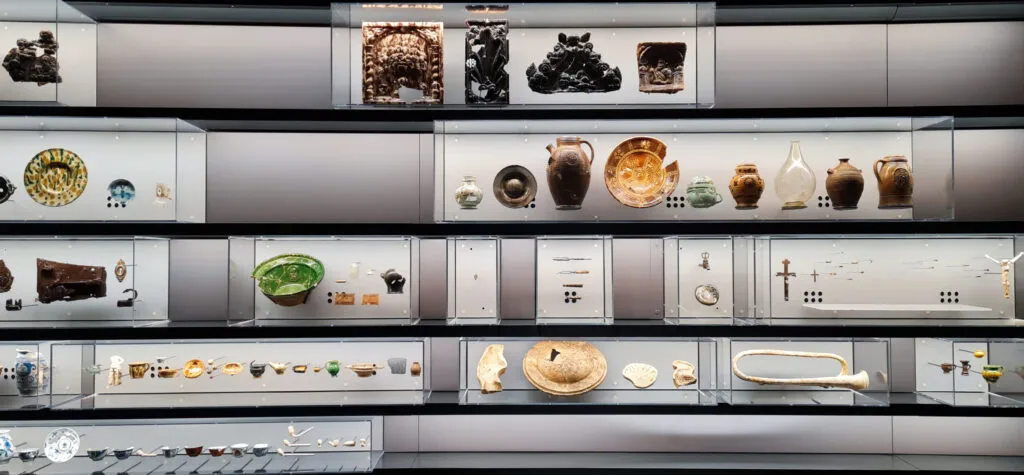
Antique furniture, artwork, manuscripts, and heirlooms hold historical, sentimental, and often monetary value. Yet these delicate items are highly sensitive to changes in their environment — particularly humidity. Without proper humidity control, antique collections stored in museums, archives, or private facilities can suffer irreversible damage. That’s why professional antique storage humidification systems are essential.
At Moisture Cure, we provide tailored commercial humidification solutions for antique storage environments across Australia — helping protect our nation’s most valuable artefacts from deterioration caused by moisture imbalance.
Table of Contents
Why Humidity Control Is Critical for Antiques
Antiques are typically made from organic materials like wood, paper, fabric, leather, and canvas — all of which absorb and release moisture depending on the surrounding environment. When humidity fluctuates, these materials expand and contract, leading to warping, cracking, fading, or mould growth.
For example:
- Low humidity can cause wood to shrink and crack, or paper to become brittle.
- High humidity encourages mould, mildew, and corrosion on metals.
- Rapid fluctuations accelerate ageing and degrade structural integrity.
Maintaining stable relative humidity — typically between 45% and 55% — is critical to preserving antiques in their current condition for generations to come.
Ideal Humidification Solutions for Antique Storage
The right humidification system depends on the type of storage environment, the volume of space, and the materials being preserved. For most antique facilities, precise, low-impact humidity control is key.
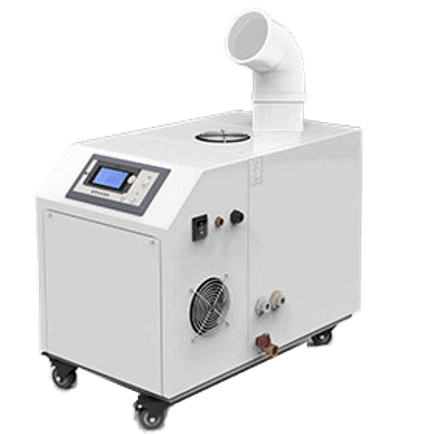
One of the most effective technologies for this purpose is the ultrasonic humidifier. These systems produce an ultra-fine, cool mist using high-frequency vibrations — maintaining optimal humidity without adding heat or wet surfaces to the environment.
Ultrasonic humidifiers are favoured in antique preservation because they:
- Deliver accurate and consistent humidity control
- Operate quietly to avoid disturbing fragile environments
- Are energy-efficient and low-maintenance
- Prevent water pooling or excessive dampness
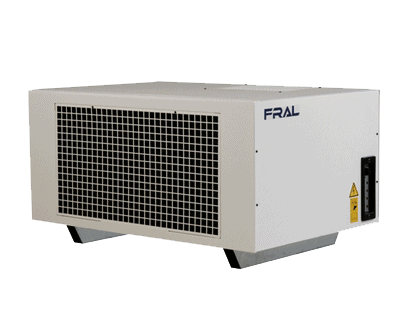
In facilities prone to high moisture, a desiccant dehumidifier may be used alongside humidification to remove excess humidity and keep the air within a stable, narrow range.
Protecting Collections in a Variety of Settings
We support a wide range of clients in the antique and preservation space, including:
- Museums and galleries
- Archival and storage rooms
- Historical societies and council collections
- Private collectors and heritage estates
Regardless of the location or the items being stored, our goal is the same: to provide accurate, long-lasting humidity control that minimises environmental damage and helps retain value.
Integration with Climate-Controlled Storage Rooms
In many antique storage environments, climate control goes beyond just humidity. Temperature regulation, air filtration, and even UV protection may be involved. That’s why we often recommend pairing humidifiers with ducted dehumidifiers or fully integrated HVAC systems for facilities with strict conservation standards.
Our team can assist with designing systems that suit your specific room layout and airflow requirements, ensuring consistent humidity is maintained throughout the entire storage space.
Australian-Made Solutions for Australian Conditions
Unlike imported systems, Moisture Cure’s dehumidifiers and humidifiers are chosen and supported locally, with Australia’s fluctuating weather and climate zones in mind. From dry inland towns to humid coastal cities, we’ve helped antique collectors across the country gain peace of mind knowing their items are protected from moisture damage.
Need Help Protecting Your Collection?
We’re here to help you choose the right humidity control solution for your antique storage needs. Whether you manage a museum archive or have a private collection in a heritage home, we’ll guide you to the most effective and energy-efficient setup.