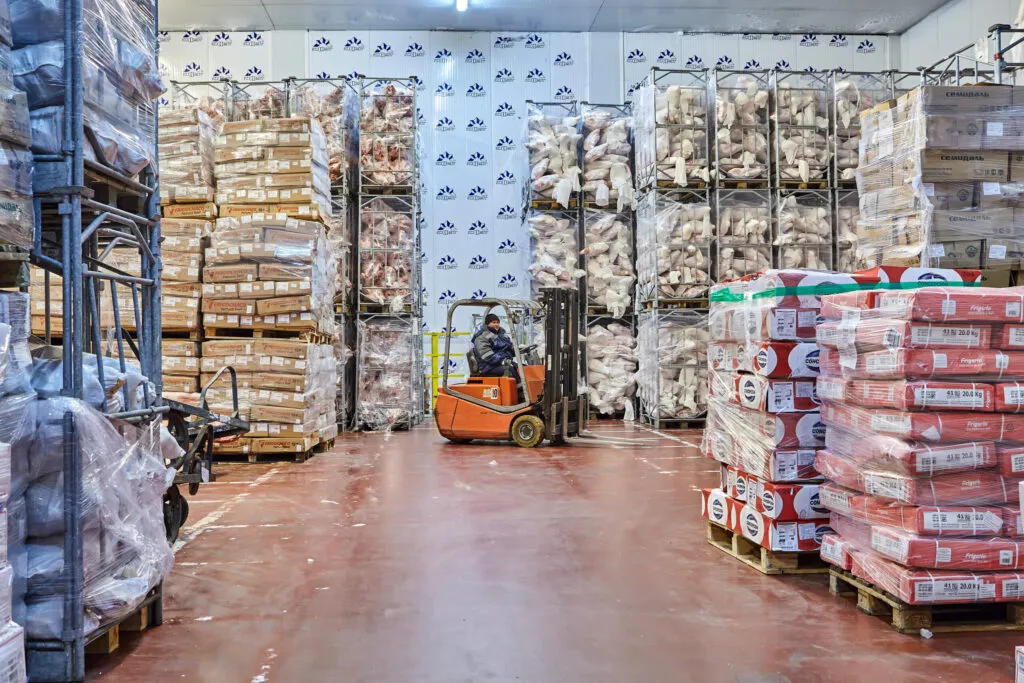
Cold storage environments play a vital role in preserving perishable goods, pharmaceuticals, and sensitive materials. But while temperature control is often the focus, humidity control is just as critical — especially in Australia’s diverse climate. Excess moisture or dryness inside a cold room can lead to product spoilage, mould growth, condensation, and equipment inefficiencies.
At Moisture Cure, we supply advanced dehumidification systems designed to manage moisture levels in cold storage facilities of all sizes, from small refrigerated rooms to large-scale distribution centres.
Table of Contents
Why Humidity Matters in Cold Storage
In a refrigerated environment, warm air entering the space can rapidly condense into water or frost. This leads to a range of issues, including:
- Ice build-up on floors, walls, and evaporator coils
- Slippery surfaces that create safety hazards
- Mould growth on packaging, pallets, and product surfaces
- Degradation of fresh produce, dairy, and pharmaceuticals
- Shortened shelf life and increased spoilage
- Increased energy consumption and maintenance costs
Maintaining the correct relative humidity (usually between 60% and 80% depending on the stored items) helps prevent these issues and ensures your cold storage environment remains stable, clean, and compliant with health and safety standards.
Key Challenges in Australian Cold Rooms
Australia’s high humidity, especially in coastal regions, creates significant challenges for cold storage. When warm, moist air infiltrates a cold room — through doorways, loading docks, or poor insulation — condensation rapidly forms. This can lead to:
- Water droplets on ceilings and products
- Ice accumulation around doors and seals
- Fogging and visibility issues for workers
- Increased defrost cycles, reducing energy efficiency
In low-humidity climates, the opposite problem can occur: air becomes too dry, risking dehydration of sensitive products such as cheese, pharmaceuticals, and cured meats.
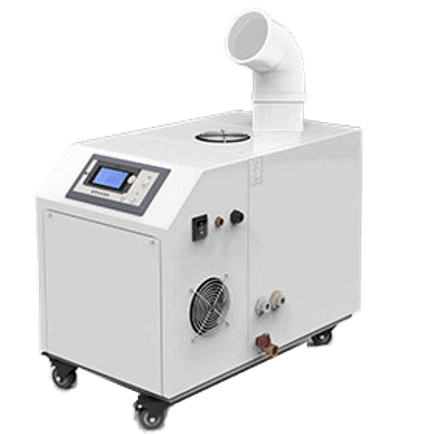
Dehumidification Solutions for Cold Storage
At Moisture Cure, we offer a range of humidity control systems purpose-built for cold environments. Our recommendations depend on your facility’s size, temperature range, and ventilation layout.
Desiccant Dehumidifiers
Desiccant dehumidifiers are ideal for low-temperature environments where traditional refrigeration-based units are less effective. These systems use a moisture-absorbing desiccant wheel to remove humidity even in sub-zero conditions — making them perfect for cold rooms, freezers, and blast chillers.
Ducted Dehumidifiers
For large-scale cold storage facilities with integrated HVAC systems, ducted dehumidifiers offer centralised, consistent moisture control across multiple zones. These units can be installed in ceiling voids or plant rooms and configured to respond to fluctuating humidity loads.
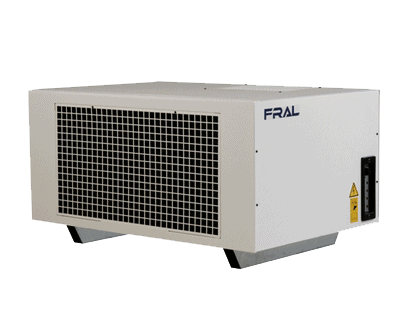
Refrigerant Dehumidifiers
Refrigerant dehumidifiers are suitable for higher-temperature cool rooms or where rapid moisture extraction is needed. These cost-effective units are popular in small to mid-sized storage rooms and can be wall-mounted or floor-standing.
Benefits of Proper Humidity Control in Cold Storage
- Reduced frost and condensation buildup
- Extended product shelf life and quality
- Lower maintenance and energy costs
- Increased workplace safety
- Compliance with food safety and pharmaceutical standards
- Improved performance of refrigeration systems
Whether you’re storing fresh produce, dairy, meat, wine, pharmaceuticals, or frozen goods, maintaining ideal humidity levels is key to preserving value and reducing waste.
Designed for Australian Conditions
All our dehumidifiers are selected for reliability and performance in tough Australian climates. We work with businesses across the country — from food processors in Melbourne to cold chain logistics operators in Brisbane — to implement humidity control systems that are tailored to their storage layouts and industry regulations.
Talk to the Experts
If your cold storage facility is experiencing condensation, mould, or product spoilage, our team can help assess your humidity risks and recommend a solution that fits your budget and operational needs.