Maintaining a comfortable and stable indoor climate is vital for schools, universities, and other educational institutions. From protecting students’ health and concentration to safeguarding sensitive equipment and building materials, climate control—particularly managing humidity—plays a foundational role in delivering a safe and effective learning environment.
Table of Contents
Why Humidity Control Matters in Education Facilities
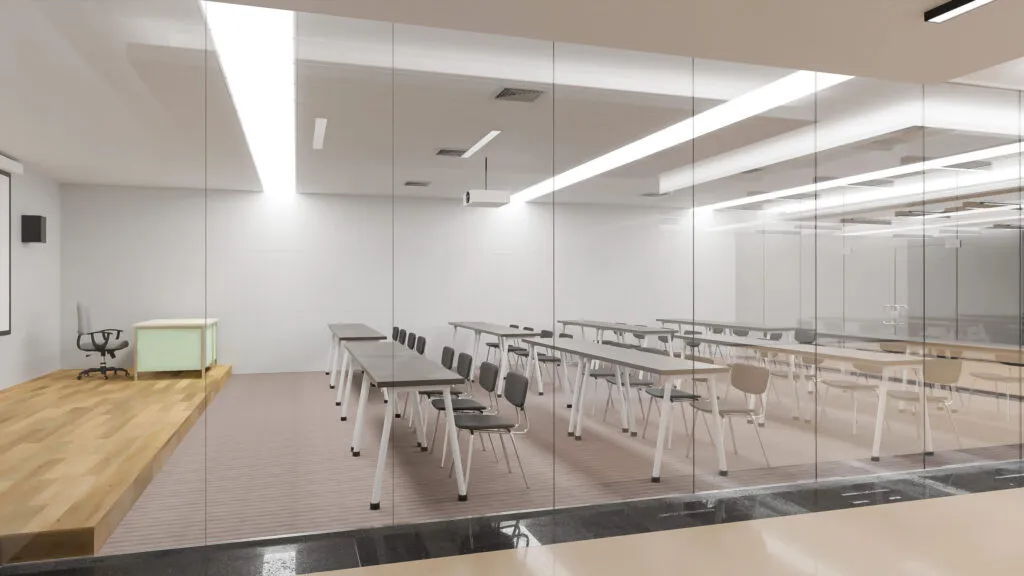
Educational buildings often face unique environmental challenges. Classrooms, libraries, laboratories, and lecture theatres are subject to fluctuating temperatures and occupancy levels throughout the day. Without proper humidity control, schools and universities can experience:
- Mould and mildew on walls, ceilings and materials
- Poor indoor air quality, triggering allergies or respiratory issues
- Damage to books, computers, projectors and lab equipment
- Increased maintenance costs from moisture damage or corrosion
- Reduced energy efficiency from overworked HVAC systems
In addition to damaging infrastructure, poor humidity control can negatively affect concentration, attendance, and the overall health of students and staff.
Optimal Humidity Levels for Learning Environments
The recommended relative humidity for indoor educational spaces is typically between 40% and 60% RH. Staying within this range helps balance comfort, health, and protection for the building and its contents. Too much humidity can lead to discomfort, odours, and mould, while air that’s too dry can cause static electricity, sore throats, and increased virus transmission.
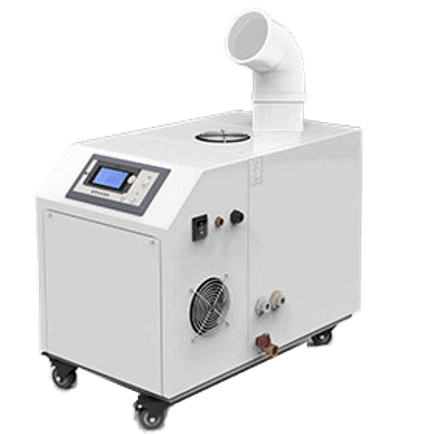
Dehumidifiers for Schools and Universities
Moisture Cure offers a range of humidity control solutions suitable for all types of educational environments.
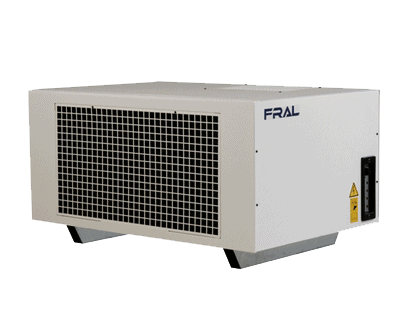
- For multi-purpose buildings or large campuses, ducted dehumidifiers can be integrated into the existing HVAC system to deliver even, low-maintenance humidity control throughout.
- Refrigerant dehumidifiers are perfect for warm and humid areas like classrooms, storage rooms, and administration offices.
- In colder regions or storage areas, desiccant dehumidifiers provide consistent performance regardless of temperature.
For specialised spaces like libraries, archives, or IT rooms, we also offer targeted units designed to maintain tighter humidity ranges.
Protecting Assets and Equipment
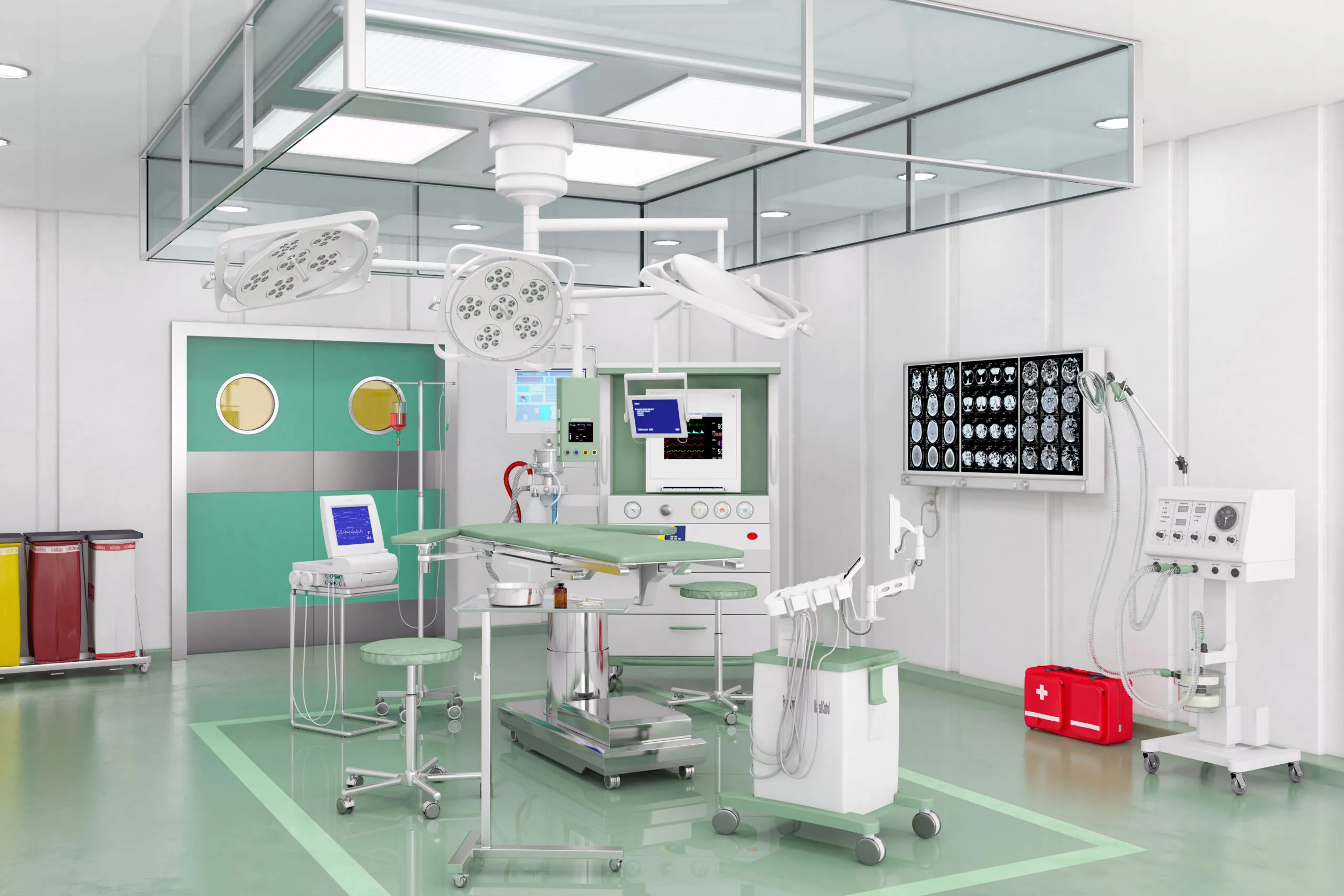
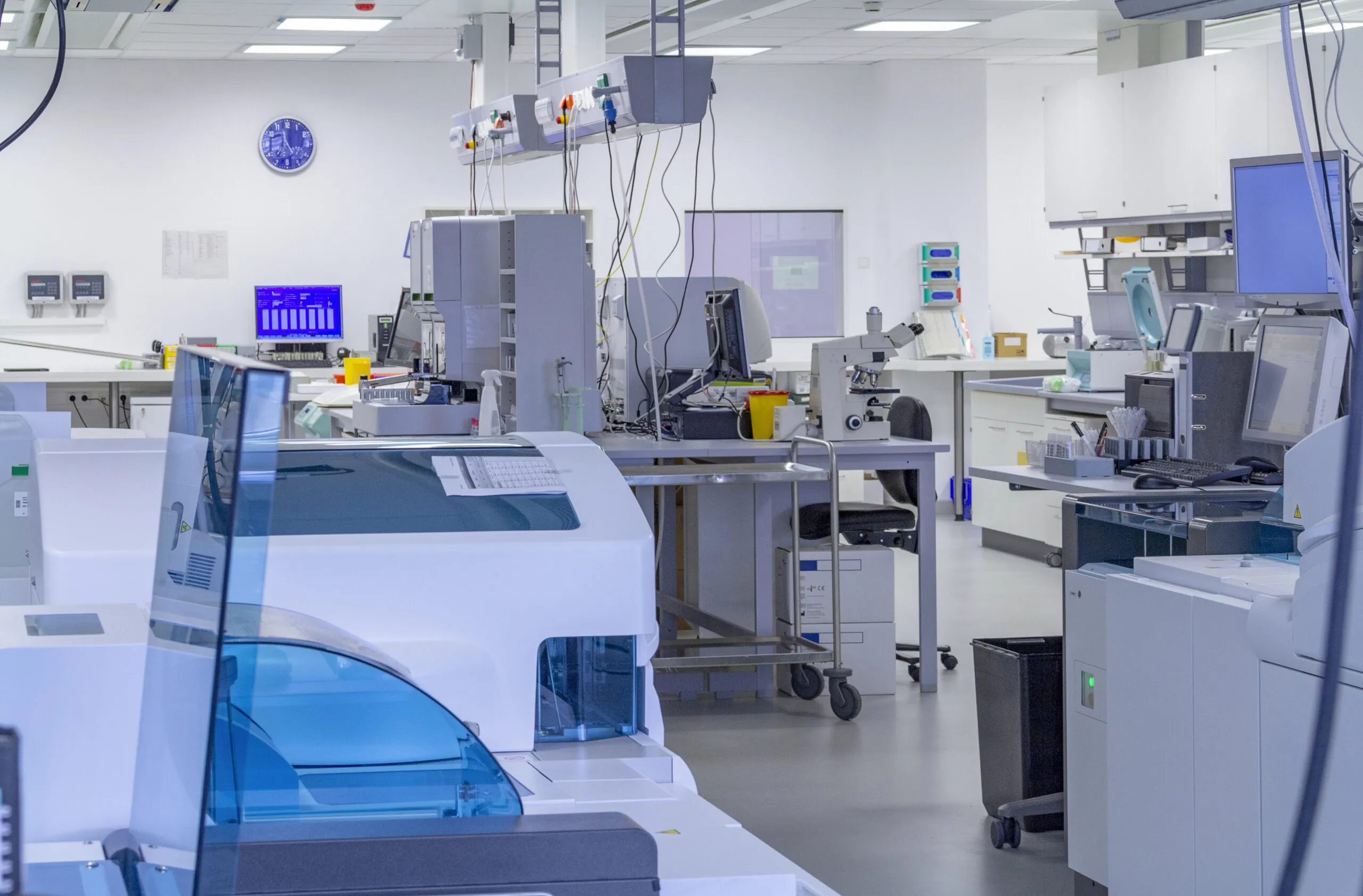
Modern classrooms rely on expensive technology such as interactive whiteboards, computers, audio-visual equipment, and lab instruments. Moisture can cause corrosion, short circuits, or malfunction. Similarly, books, paper documents, and archives can degrade in overly humid conditions.
With the right dehumidification system, schools can protect their resources from long-term damage, preserving both financial investment and educational continuity.
Improving Health and Attendance
Humidity control contributes directly to better indoor air quality. In high-humidity environments, bacteria, viruses, mould spores and dust mites thrive—leading to more illnesses, allergies and absenteeism. Well-managed humidity can help reduce the spread of airborne infections, creating a healthier environment for students and staff alike.
Tailored Solutions for Australian Institutions
From coastal schools in Queensland to universities in cooler southern climates, we understand the diverse environmental conditions Australian institutions face. At Moisture Cure, we tailor each solution to the specific climate, building layout, and use case.
Whether you’re planning a new school building or upgrading an ageing facility, we can recommend and supply the right system to ensure long-term performance and efficiency.
Contact our team to discuss your needs or request a site assessment.