Effective crop drying is essential to maintain the quality, shelf life, and commercial value of harvested produce. Whether you’re dealing with grains, legumes, seeds, or specialty crops, managing humidity is a critical step in the post-harvest process. Without proper moisture control, crops become susceptible to mould, bacterial growth, and spoilage — resulting in economic losses and reduced product reliability.
At Moisture Cure, we provide advanced dehumidification solutions that streamline the drying process, ensuring consistent results for agricultural producers and post-harvest facilities across Australia.
Table of Contents
The Role of Humidity in Crop Drying
Once crops are harvested, they continue to contain residual moisture. If not removed quickly and uniformly, this moisture can cause:
- Mould and mildew development
- Germination of seeds during storage
- Discolouration or loss of flavour
- Insect infestations
- Inconsistency in weight and texture
Traditional drying methods such as heated air or sun drying may work in some conditions but can be inefficient, weather-dependent, or energy-intensive. Modern dehumidification provides a controlled and consistent method of drying — optimising airflow, temperature, and relative humidity to extract moisture without damaging the crop.
Common Crop Drying Challenges in Australia
Australia’s vast geography presents a wide range of climate conditions — from humid coastal regions to dry inland areas. During peak harvest seasons, fluctuating temperatures and rainfall patterns can compromise natural drying conditions. Additionally, high-volume producers need reliable solutions that don’t depend on the weather.
Key challenges include:
- Prolonged drying times in humid conditions
- Inconsistent moisture removal leading to spoilage
- Overheating or under-drying using traditional heated systems
- Energy inefficiencies and rising operational costs
Dehumidifiers for Efficient Crop Drying
At Moisture Cure, we offer several specialised dehumidification systems designed for the unique requirements of crop drying facilities.
Desiccant Dehumidifiers
Desiccant dehumidifiers are particularly effective for low-temperature drying applications. These units use a silica gel wheel to extract moisture from the air, enabling precise humidity control even in cool environments. Desiccant systems are ideal for drying delicate crops that can’t withstand heat, such as seeds, medicinal herbs, or specialty grains.
Ducted Dehumidifiers
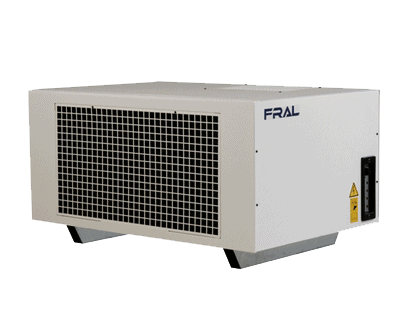
When integrated into a drying room or storage facility, ducted dehumidifiers provide uniform air distribution and consistent moisture extraction. These systems are perfect for larger facilities or multi-room operations, offering powerful performance with customisable airflow patterns to suit different crop types.
Refrigerant Dehumidifiers
For operations where speed is crucial, refrigerant dehumidifiers are a cost-effective and powerful choice. These units remove moisture rapidly and are well-suited for drying harvested crops like maize, barley, wheat, and pulses during high-volume harvests.
Benefits of Using Dehumidifiers for Crop Drying
- Faster drying times, reducing bottlenecks post-harvest
- Lower risk of spoilage, pests, and mould
- Improved crop quality, taste, and colour
- Energy-efficient operation compared to heated drying systems
- Greater consistency across drying cycles
- Extend shelf life and reduce rejected loads
Whether you’re drying grain in silos, curing herbs in a dedicated chamber, or managing bulk storage of seeds, our dehumidification systems can be customised to fit your operation.
Tailored for Australian Agriculture
Moisture Cure supports growers, co-ops, and food processing facilities throughout Australia. Our systems are selected to withstand harsh environmental conditions and deliver reliable performance year-round — no matter where your farm or facility is located.
We understand that every agricultural operation is different. That’s why we offer no-obligation consultations to help you choose the right drying solution based on your crop type, throughput, and facility design.
Talk to a Specialist
Ready to improve your crop drying process? Our experienced team is here to help.