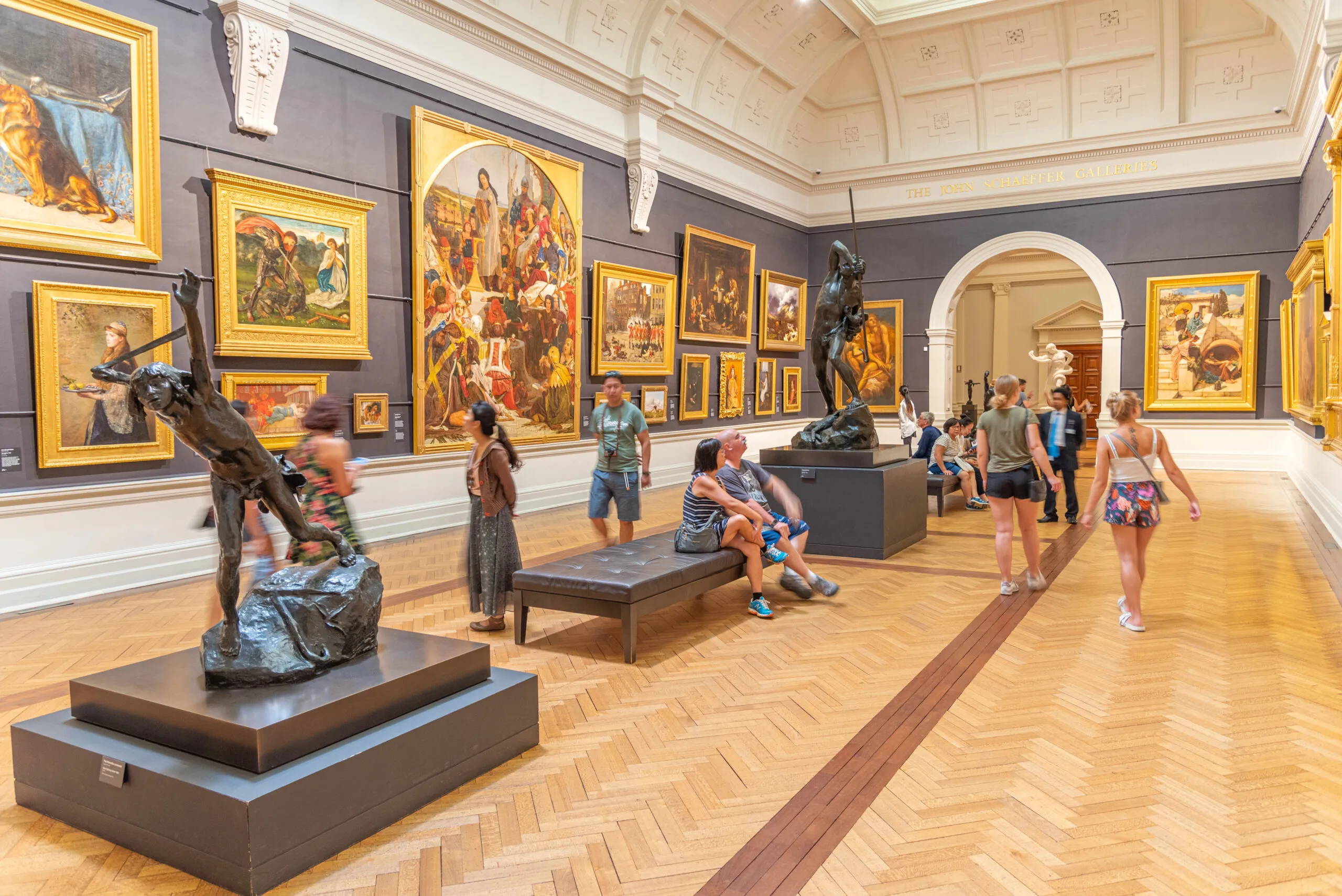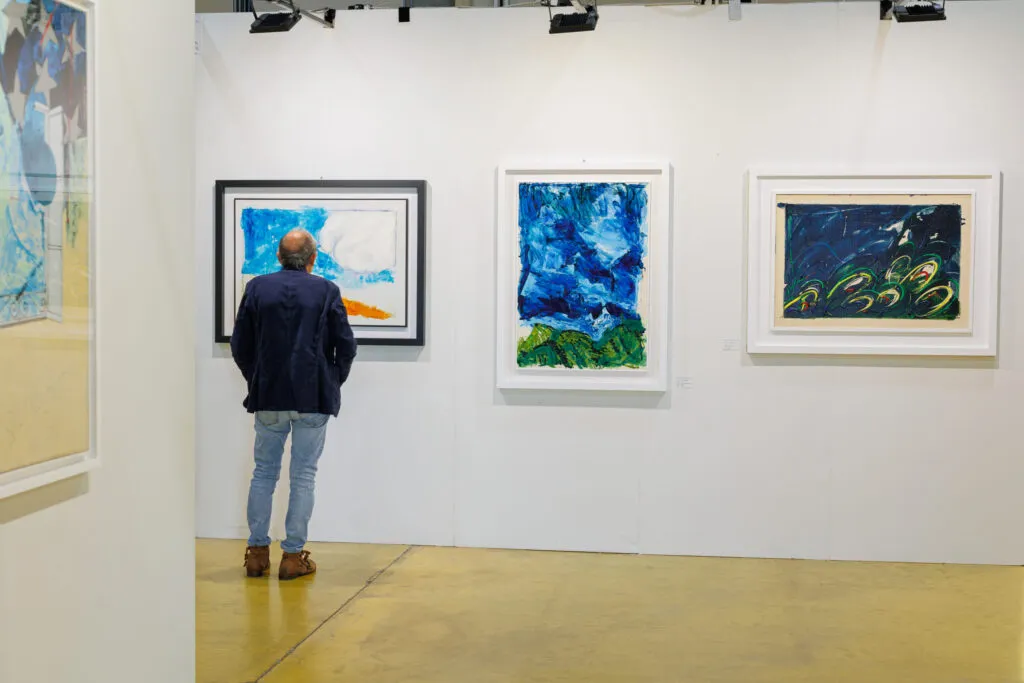
Art galleries are not just spaces for viewing creative works — they are carefully controlled environments where humidity, temperature, and lighting all play a crucial role in preserving valuable and irreplaceable collections. Among these, humidity regulation stands out as one of the most critical elements in maintaining the integrity of artworks over time.
At Moisture Cure, we specialise in designing tailored climate control solutions for art galleries throughout Australia. Whether you’re managing a regional gallery or a major metropolitan institution, we help you regulate humidity with precision — protecting your collection from moisture-related damage.
Table of Contents
Why Humidity Control Is Essential in Art Galleries
Paintings, sculptures, textiles, and mixed media installations are all sensitive to shifts in moisture levels. Organic materials such as canvas, wood, and paper absorb and release moisture based on their environment. Without regulation, fluctuating humidity levels can cause warping, mould growth, paint flaking, and overall degradation.
In general:
- Too little humidity causes brittleness, shrinkage, and cracking in materials like wood and canvas.
- Too much humidity promotes mould, mildew, corrosion, and staining — especially dangerous in poorly ventilated spaces.
- Fluctuating levels accelerate deterioration, especially in older or mixed media pieces.
Maintaining consistent relative humidity between 45% and 55% is the industry standard for preserving artwork. For many galleries, this level of control can only be achieved through professional humidification and dehumidification equipment.
The Right Equipment for the Job
Art galleries require climate control systems that are discreet, quiet, and highly responsive. Depending on your space and seasonal variation, your solution may involve humidifiers, dehumidifiers, or a combination of both.
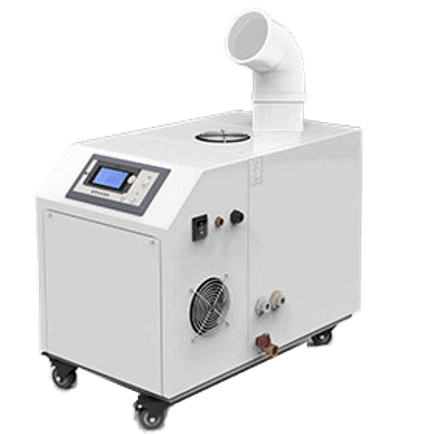
If your gallery experiences dry indoor air, ultrasonic humidifiers offer a quiet, energy-efficient way to maintain gentle humidity. These systems use high-frequency sound waves to release an ultra-fine mist — ideal for enclosed spaces where traditional steam or evaporative units would be too aggressive.
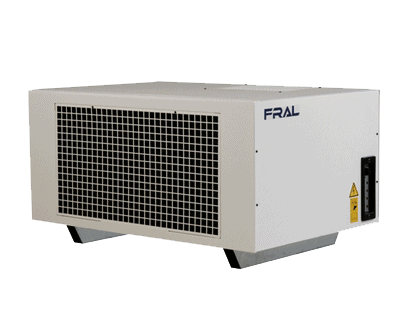
For galleries located in humid climates or during wet seasons, desiccant dehumidifiers are highly effective. These systems work without condensation and are suitable for low-temperature environments, making them ideal for spaces that need consistent performance all year round.
In larger gallery settings with HVAC integration, we often recommend ducted dehumidifiers to maintain even humidity distribution across multiple rooms or exhibition areas.
Custom Solutions for Different Gallery Environments
No two galleries are alike. Some are housed in historic buildings with poor insulation, while others are modern facilities with temperature-controlled rooms and filtered lighting. That’s why we assess your space thoroughly before recommending the right solution.
We can help you:
- Maintain consistent humidity in gallery halls and exhibition rooms
- Protect storage and back-of-house archives from long-term degradation
- Integrate humidity control into existing HVAC systems
- Respond to seasonal or regional climate changes that impact indoor moisture
If you’re unsure which system is best suited to your gallery’s needs, our team is happy to assist. Contact us to arrange a no-obligation consultation.
Built for Australian Conditions
Whether you’re in humid Brisbane, dry Adelaide, or the coastal regions of New South Wales, climate regulation needs to be location-specific. Our equipment is carefully selected to suit Australian weather conditions, and our team provides local support and servicing to ensure everything continues working as it should.
Peace of Mind for Curators and Conservators
Humidity control isn’t just about equipment — it’s about trust. When you install a system from Moisture Cure, you’re investing in peace of mind. Our solutions help curators and conservators focus on what matters most: showcasing and preserving art for the public and future generations.