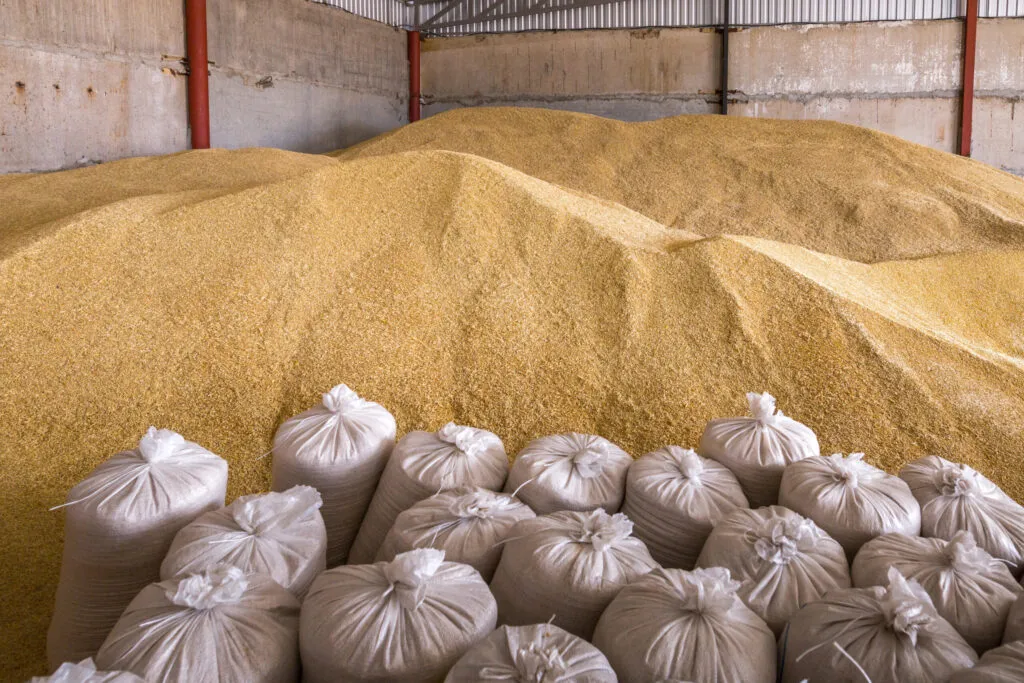
Grain is one of Australia’s most valuable agricultural commodities, and maintaining its quality during storage is critical to avoiding spoilage, mould, and financial loss. Humidity control plays a central role in this process. Whether you’re managing a small on-farm silo or a large-scale commercial storage facility, maintaining stable moisture levels can mean the difference between a profitable season and one plagued by loss.
At Moisture Cure, we help Australian producers and agribusinesses safeguard grain integrity with reliable, industrial-grade dehumidification systems designed for harsh and varied climates.
Table of Contents
Why Humidity Control is Essential for Grain Storage
Stored grain is hygroscopic, meaning it naturally absorbs and releases moisture based on its environment. If relative humidity (RH) levels in the storage area are too high, grains can absorb excess moisture, leading to:
- Fungal growth and mould
- Germination and spoilage
- Clumping and caking
- Heat generation and self-combustion risks
- Pest infestations
Maintaining the correct temperature and humidity conditions helps prolong shelf life, preserve quality, and reduce the risk of contamination.
Ideal Conditions for Grain Storage
For most grains, a relative humidity below 65% and a temperature below 20°C are optimal. These conditions help prevent fungal growth and insect activity. However, achieving and maintaining these thresholds can be challenging—especially in warm or humid climates like northern New South Wales or Queensland.
That’s where targeted humidity control becomes essential.
Best Systems for Grain Storage Humidity Control
Moisture Cure supplies a range of dehumidification technologies that are well-suited to agricultural and storage environments:
Desiccant Dehumidifiers for Low-Temperature Environments
Desiccant dehumidifiers excel in cooler environments and during colder months. These systems work efficiently at lower temperatures and are ideal for silos, grain bins, and enclosed bulk storage where ambient temperatures fluctuate.
Ducted Dehumidifiers for Large Facilities
In commercial or co-op storage facilities, where grain is processed or stored in large volumes, ducted dehumidifiers provide centralised humidity control across multiple zones. These systems integrate with HVAC infrastructure to deliver consistent results while maintaining energy efficiency.
Refrigerant Dehumidifiers for Warm Conditions
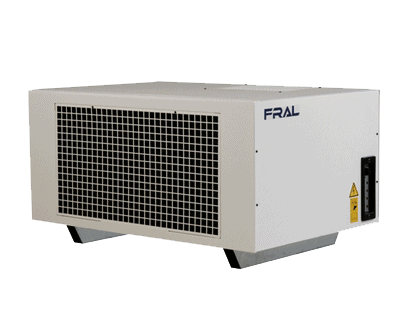
For warmer climates or above-ground structures exposed to external heat, refrigerant dehumidifiers are a cost-effective and powerful option. They condense moisture from the air and are effective in mid-to-high temperature environments.
Benefits of Controlling Humidity in Grain Storage
Installing a dedicated dehumidification system offers long-term protection and numerous operational benefits:
- Protects against financial losses caused by spoilage
- Reduces the need for frequent grain turning or aeration
- Preserves germination viability for seed stock
- Ensures compliance with food safety and export standards
- Minimises waste and the risk of contamination
- Helps avoid product downgrading at point of sale
With unpredictable weather patterns and rising global standards for food quality, taking proactive steps in climate control is more important than ever.
Built for Australian Agricultural Conditions
At Moisture Cure, we understand the challenges faced by Australian growers and grain handlers—from coastal humidity to dry inland heat. Our equipment is specifically chosen and configured to suit Australian conditions, including remote areas, dust-prone environments, and variable power supply.
All our systems are backed by technical support and expert consultation to ensure you get the most out of your setup.
Ready to Improve Your Grain Storage Conditions?
Whether you’re storing wheat, barley, canola, sorghum, or pulses, controlling humidity is key to long-term quality and profitability. Our team can recommend a tailored solution based on the type of grain, size of your facility, and local climate.