Client: Fender
Industry: Musical instrument manufacturing
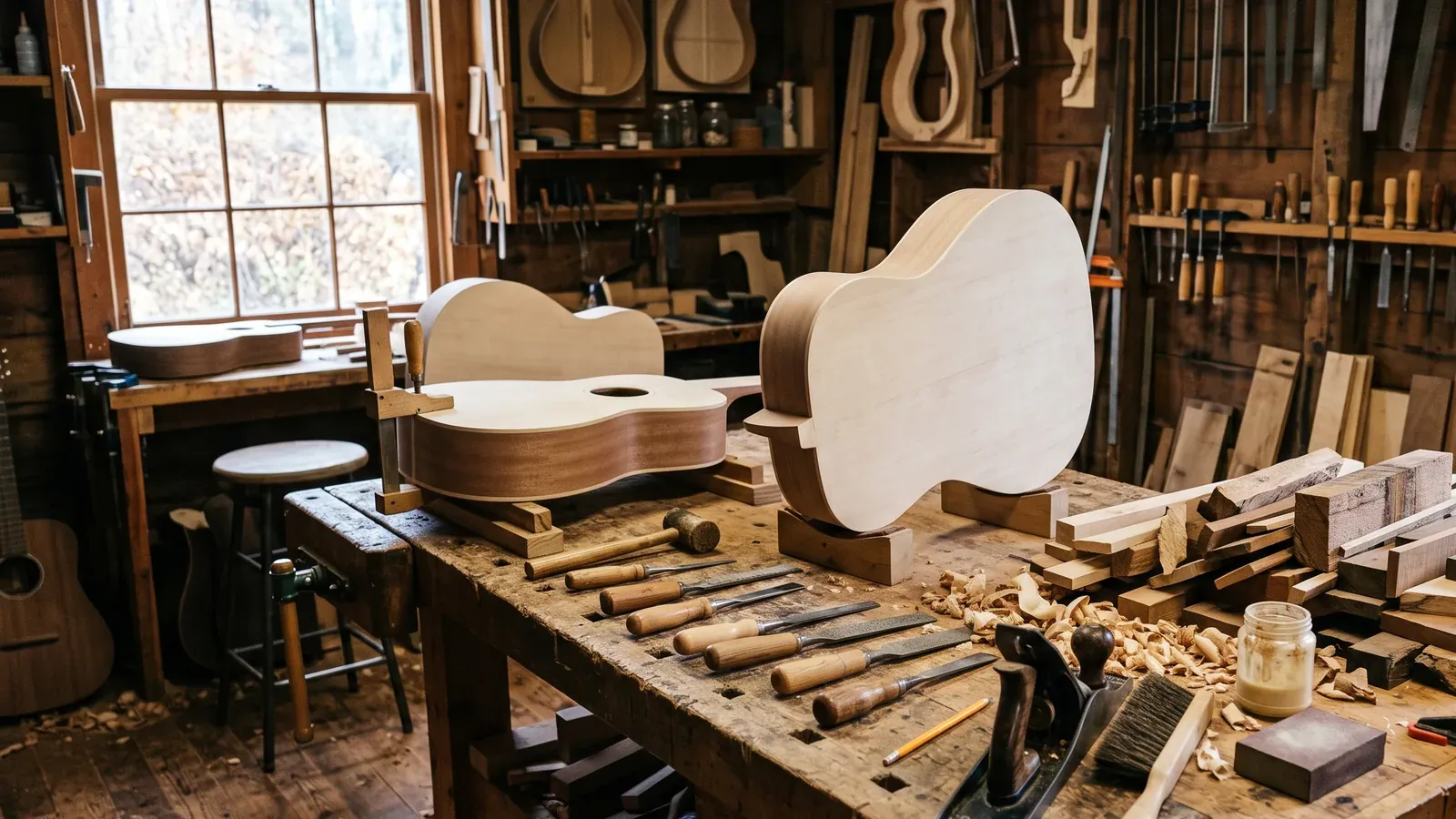
Application: Timber stability through production and finishing
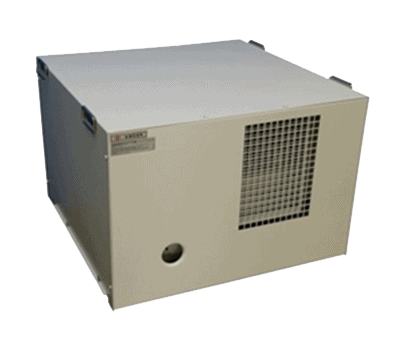
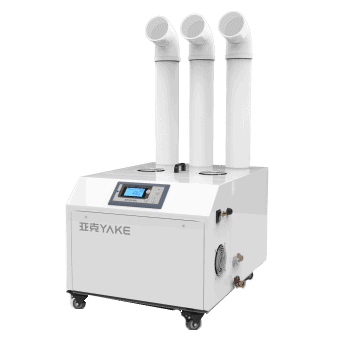
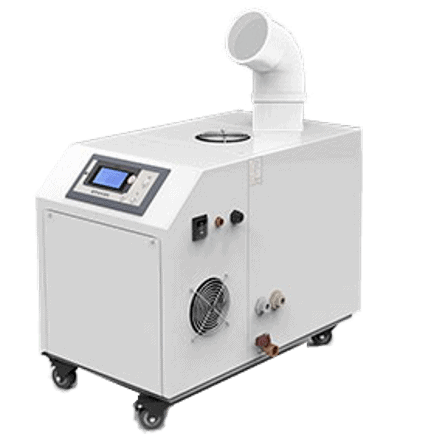
Solution: AMDZ-136 C3 ducted dehumidifiers, RYJS-15D ultrasonic humidifiers
Location: Manufacturing facility
Requirement: Year-round two-way humidity control
Fender is one of the world's most recognised musical instrument manufacturers, with a reputation built on craftsmanship and consistency.
Both depend on timber behaving predictably, and timber behaviour is a function of the moisture content of the air around it.
Results at a Glance
- Two-way control, humidification and dehumidification
- Year-round stability across seasons
- Fewer defects and less rework reported
- Storage, assembly and finishing all held to one condition
The Challenge
Guitar production runs through several stages where humidity swings compromise the result.
Timber moves as it gains and loses moisture, and it does not move back to where it started.
The facility needed to:
- Prevent warping, cracking and splitting of timber stock and components
- Hold stable conditions through gluing, sanding and finishing
- Manage both humidification and dehumidification, depending on zone and season
Without control in both directions, materials become unstable, finishes go inconsistent and rework rates climb.
Our Solution
Moisture Cure supplied a two-way system, because a woodworking facility crosses the target band from both sides across a year.
The specification:
- AMDZ-136 C3 ducted dehumidifiers for dry storage, assembly rooms and production zones during humid periods
- RYJS-15D ultrasonic humidifiers to add moisture back in timber prep and overly dry spaces during winter and in heated areas
Ultrasonic humidification suits this application because it delivers a fine, controllable mist without raising room temperature, which matters where finishes are curing.
Together the two systems hold conditions aligned with woodworking best practice regardless of season or outside weather.
Results and Impact
Reported outcomes:
- Balanced humidity maintained year round
- Better material handling, with fewer defects and less rework
- Improved yield and production efficiency
- Conditions aligned with internal quality control protocols
Why Two-Way Control
Most facilities specify dehumidification and stop there.
In timber work that leaves half the year uncovered:
- Summer humidity swells timber and slows finish curing
- Winter heating dries indoor air well below the timber's equilibrium point, causing shrinkage and checking
- Components machined at one moisture content and assembled at another build stress into the finished instrument
Equilibrium Moisture Content in Practice
Timber holds a moisture content in balance with the air around it, and it moves until it gets there.
The target in instrument work is a stable equilibrium, not a particular humidity reading on a given day.
What that requires on a factory floor:
- The same condition in timber storage, machining and assembly, so components do not move between operations
- Control held through the finishing stage, where trapped moisture causes finish defects that appear weeks later
- Stability across the working week, since overnight and weekend drift is where most of the movement happens
- Conditions matched to the market the instrument will live in, not just to the factory
A component machined at one moisture content and glued to another at a different one builds stress into the assembly that releases over the instrument's life.
Related Solutions
- woodworking factory humidity control. Equilibrium moisture content targets for timber production in detail.
- furniture manufacturing climate management. The same timber stability requirements apply across all fine woodworking.
- ultrasonic humidifiers. Ultrasonic units add moisture without adding heat, which suits finishing areas.
Timber Stability Through Production
If your defect rate moves with the season, the air is the variable.
Contact Moisture Cure Commercial for a two-way humidity assessment across your production and storage areas.
Contact Moisture Cure Commercial for expert sizing advice on your application.