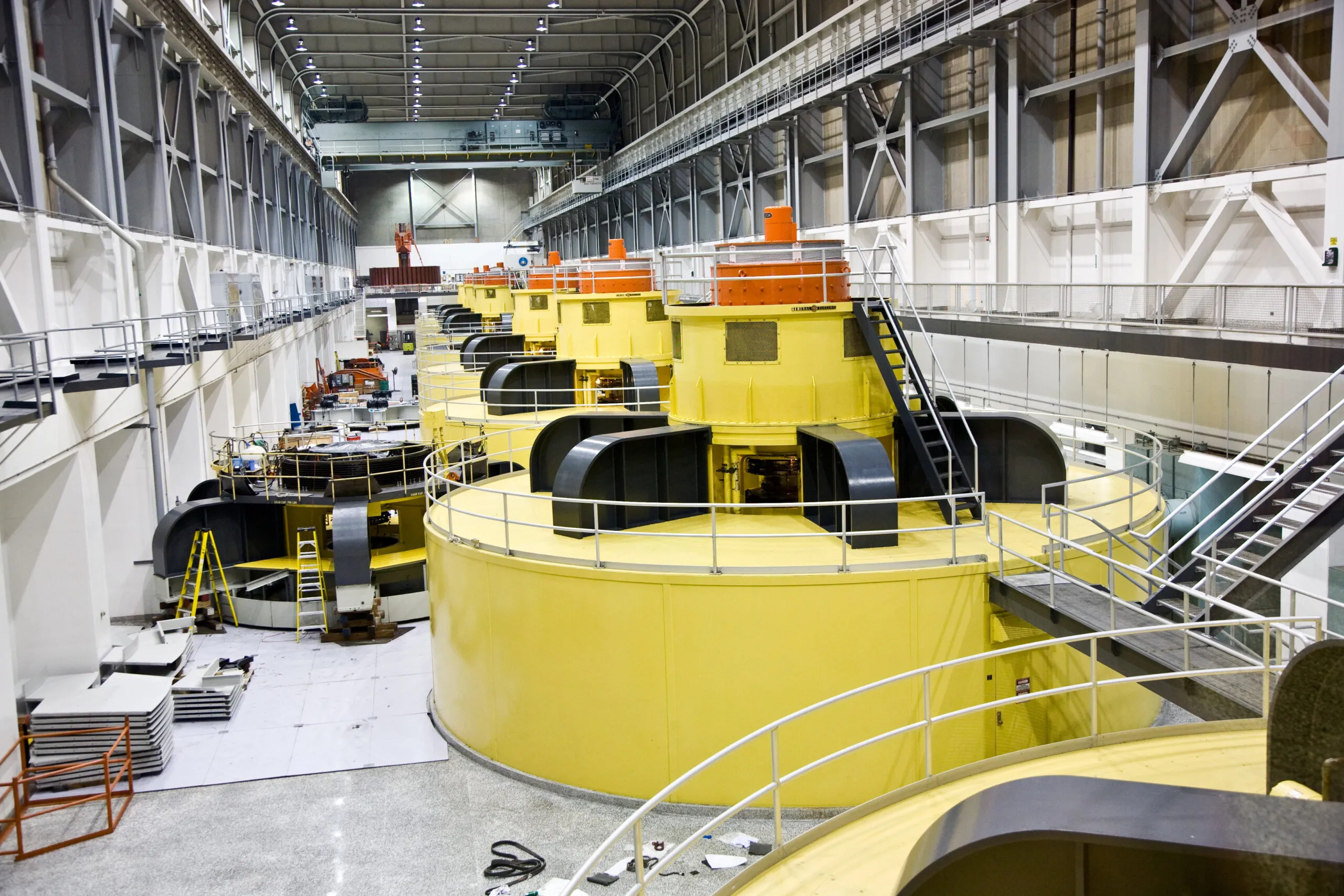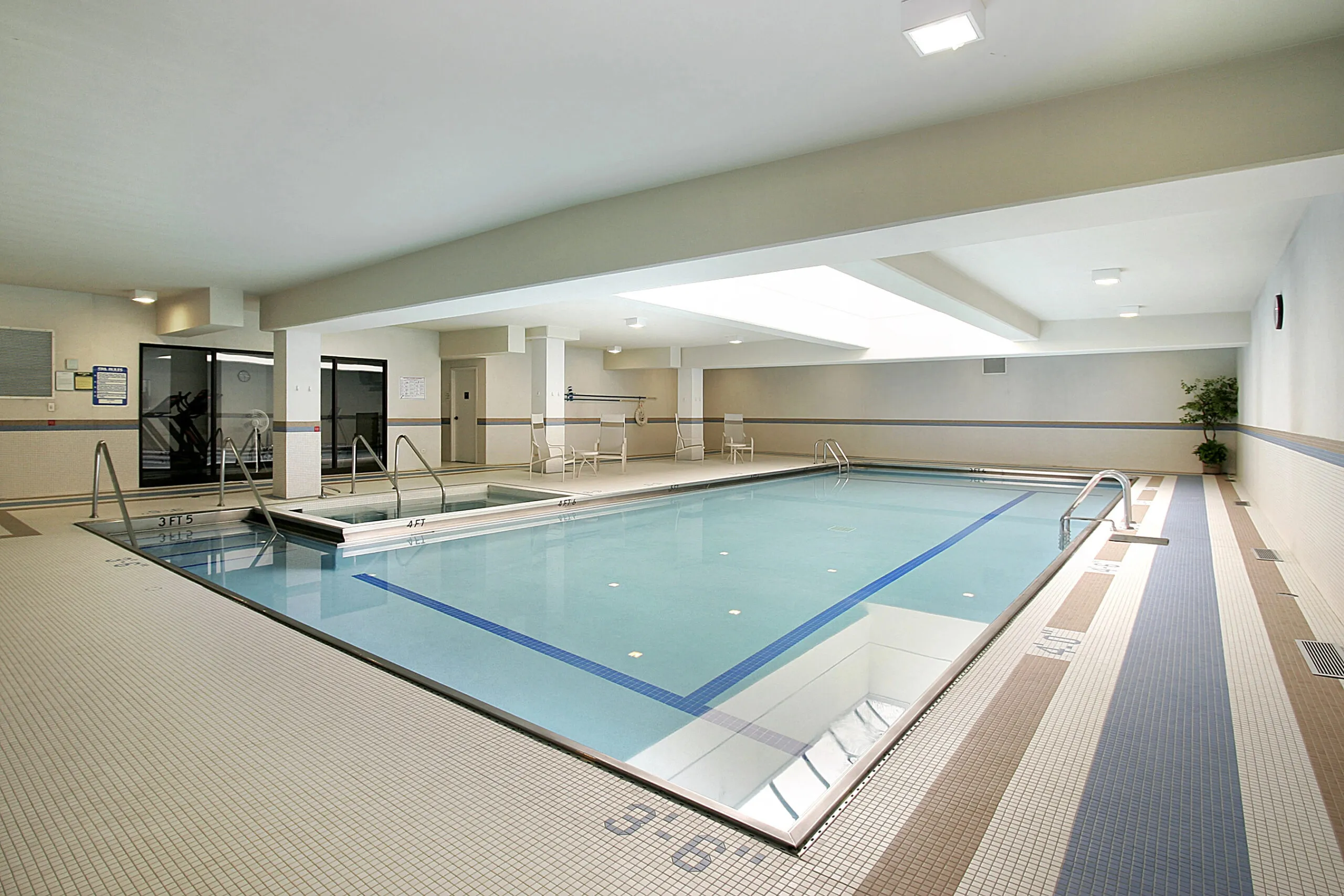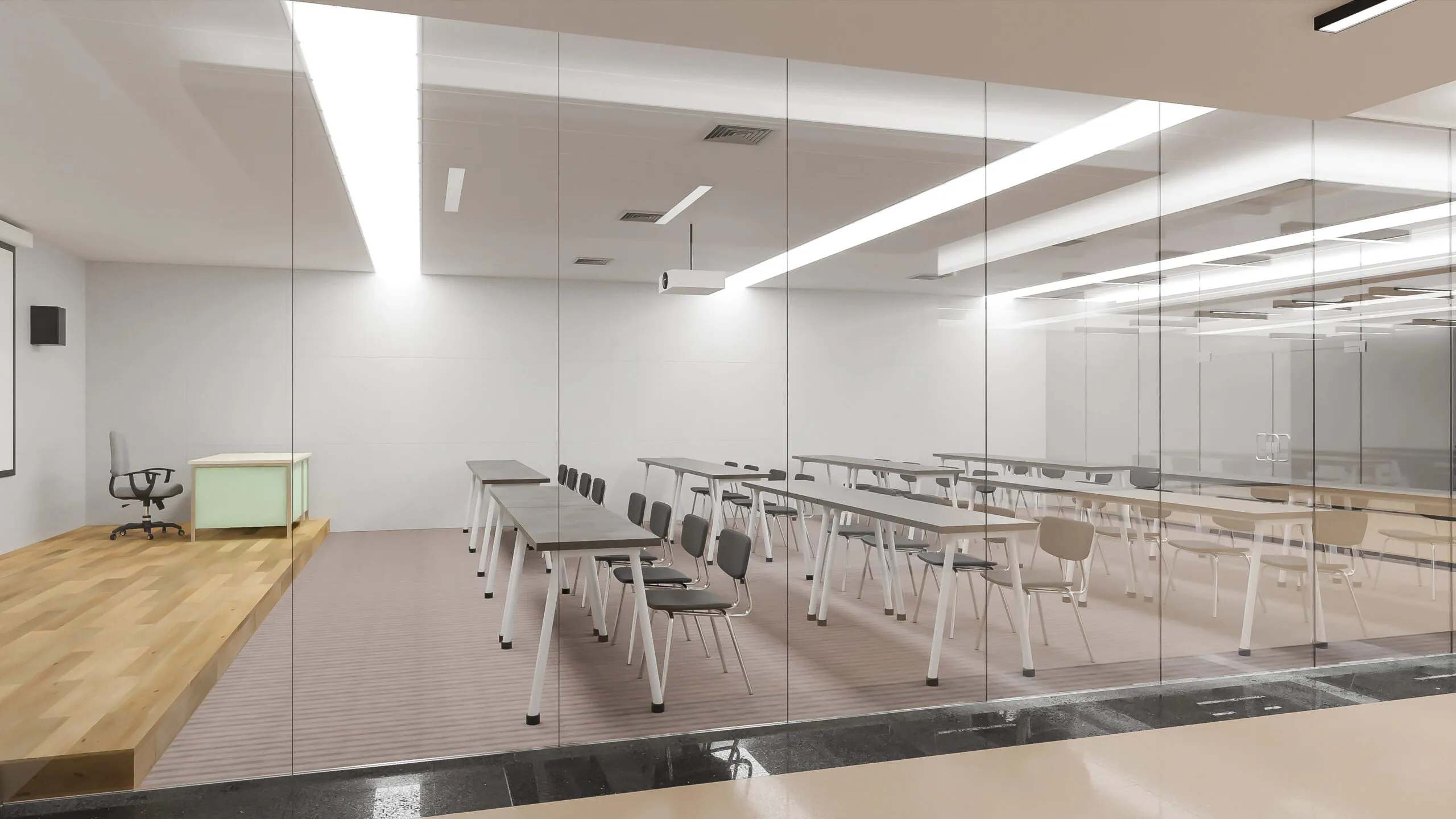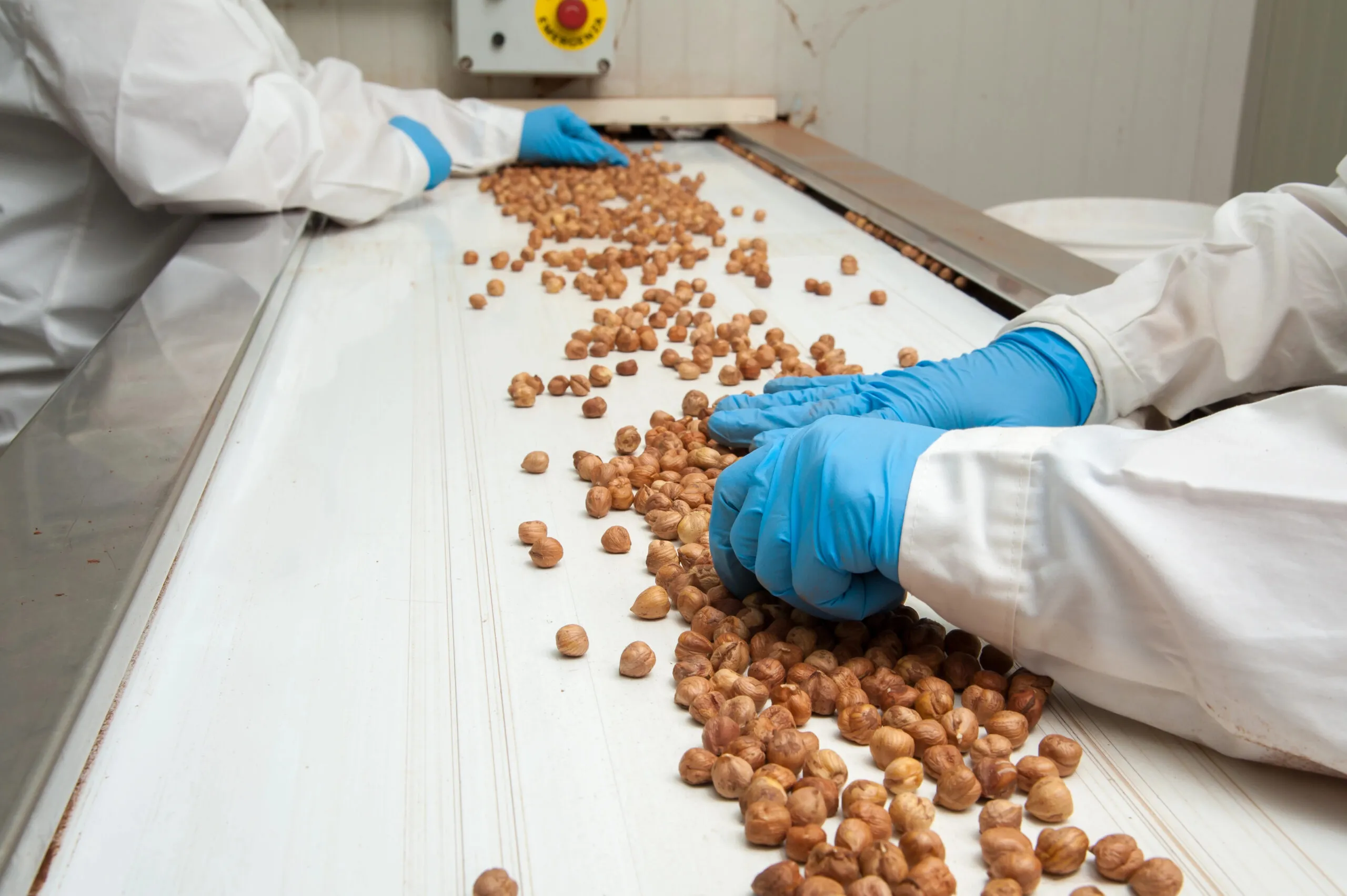





Art Gallery Climate Regulation
Safeguard priceless artwork from humidity damage and ensure long-term preservation with controlled conditions.
We are Melbourne's Desiccant Dehumidifier Specialists
Looking for Desiccant Dehumidifiers in Melbourne? Moisture Cure has been a trusted supplier of Desiccant Dehumidifiers for over 20 years.
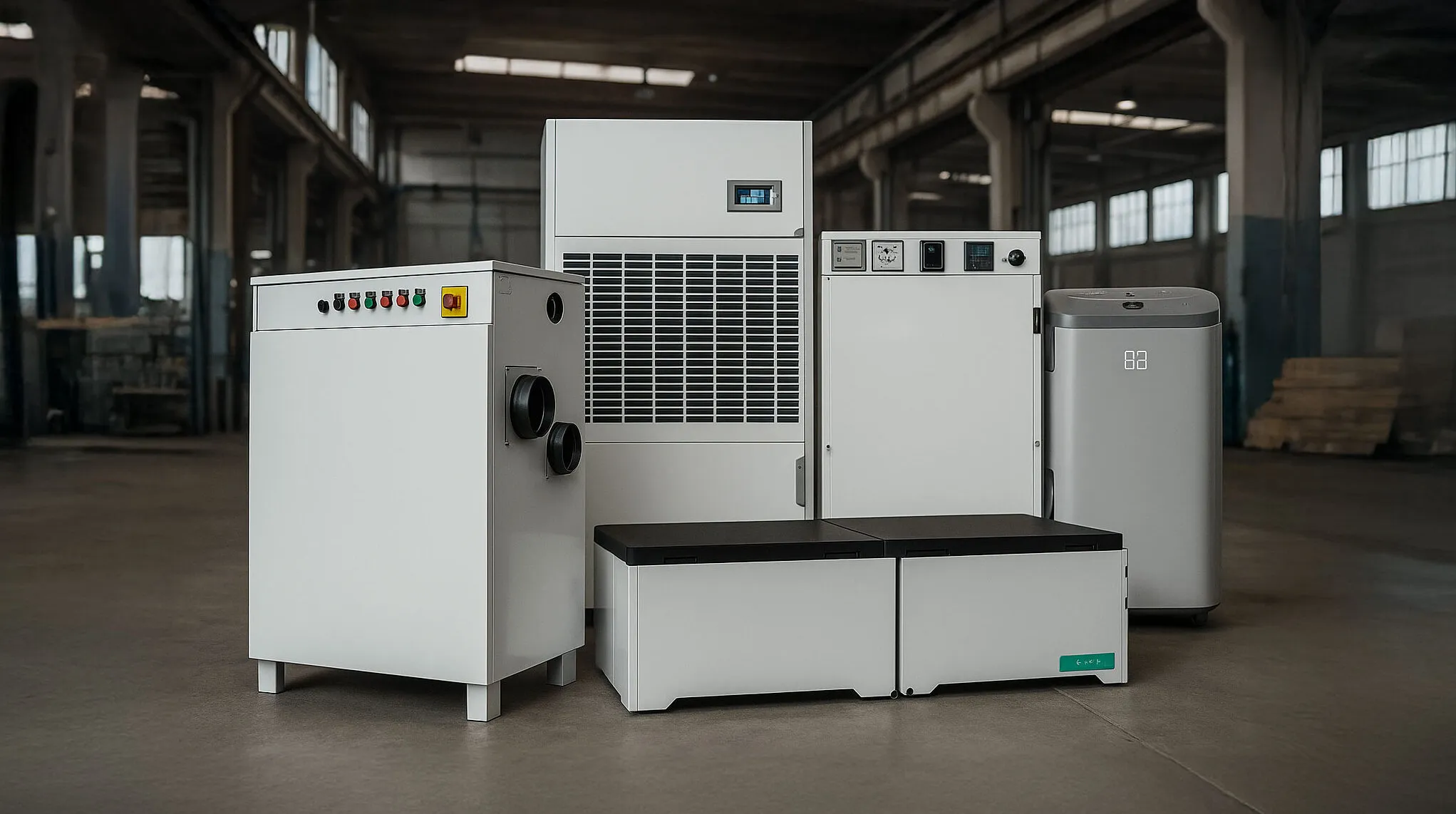















See our Desiccant Dehumidifiers in action.
Watch our showcase video to see how we deliver expert Desiccant Dehumidifier solutions across Melbourne.

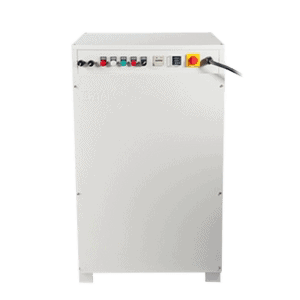
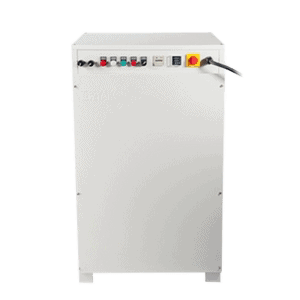

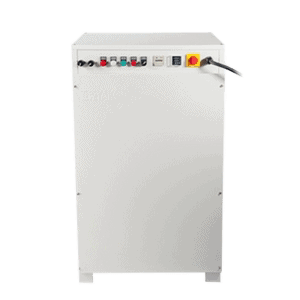
Melbourne’s climate swings between cool, damp winters and humid summer storms. For warehouses, manufacturing plants and cold storage facilities across the city, that variability creates persistent moisture problems that standard air conditioning cannot solve.
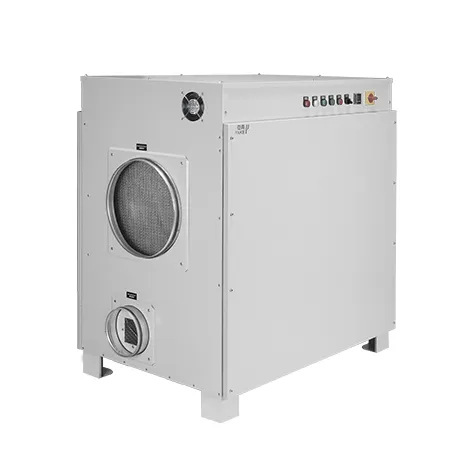
Desiccant dehumidifiers handle these conditions because they do not rely on refrigeration coils to condense water from the air. Instead, they pass incoming air over a rotating desiccant wheel that adsorbs moisture directly, then regenerate the wheel with heated air exhausted outside the building.
That process works at any temperature, including sub-zero environments where refrigerant units ice up and shut down. It is the reason desiccant technology dominates in cold storage, pharmaceutical manufacturing and other industries where moisture control drives operational outcomes.
Refrigerant dehumidifiers lose efficiency below about 15°C. Melbourne’s winter warehouse and cold room temperatures regularly sit well under that threshold, making refrigerant-based moisture removal systems unreliable for year-round duty in unheated spaces.
Desiccant units maintain consistent performance regardless of ambient temperature. This makes them the standard choice for several common Melbourne applications.
Correct sizing depends on the volume of the space, the moisture load entering it, and the target relative humidity. An undersized unit runs continuously without reaching the setpoint, while an oversized unit wastes energy.
Key factors for Melbourne installations include the following.
Melbourne’s industrial belt stretches from Laverton and Truganina in the west through Dandenong South and Hallam in the south-east. Moisture Cure supplies and supports commercial and industrial desiccant dehumidifiers across these precincts and the broader metro area.
| Industry | Typical application | Target RH |
|---|---|---|
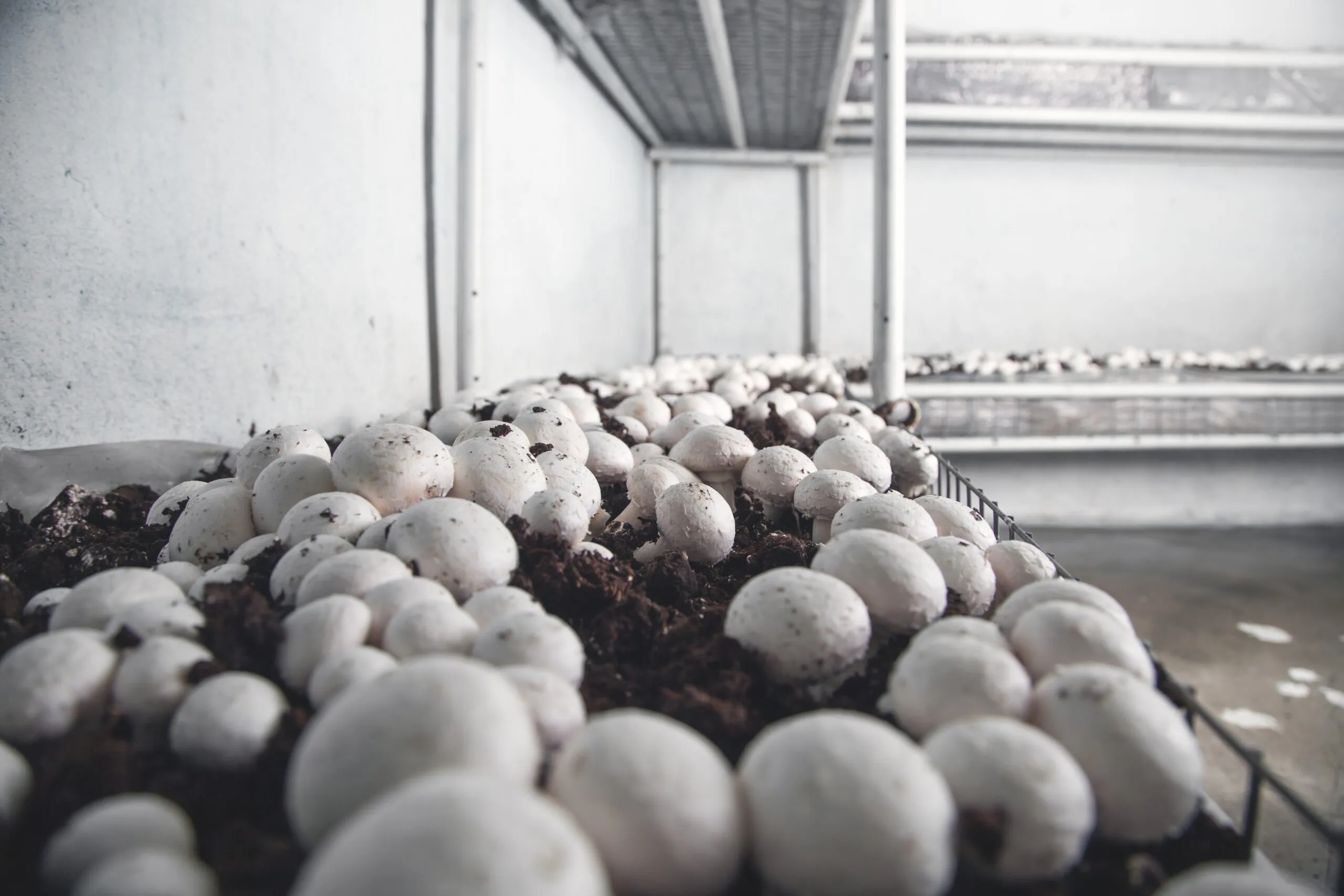
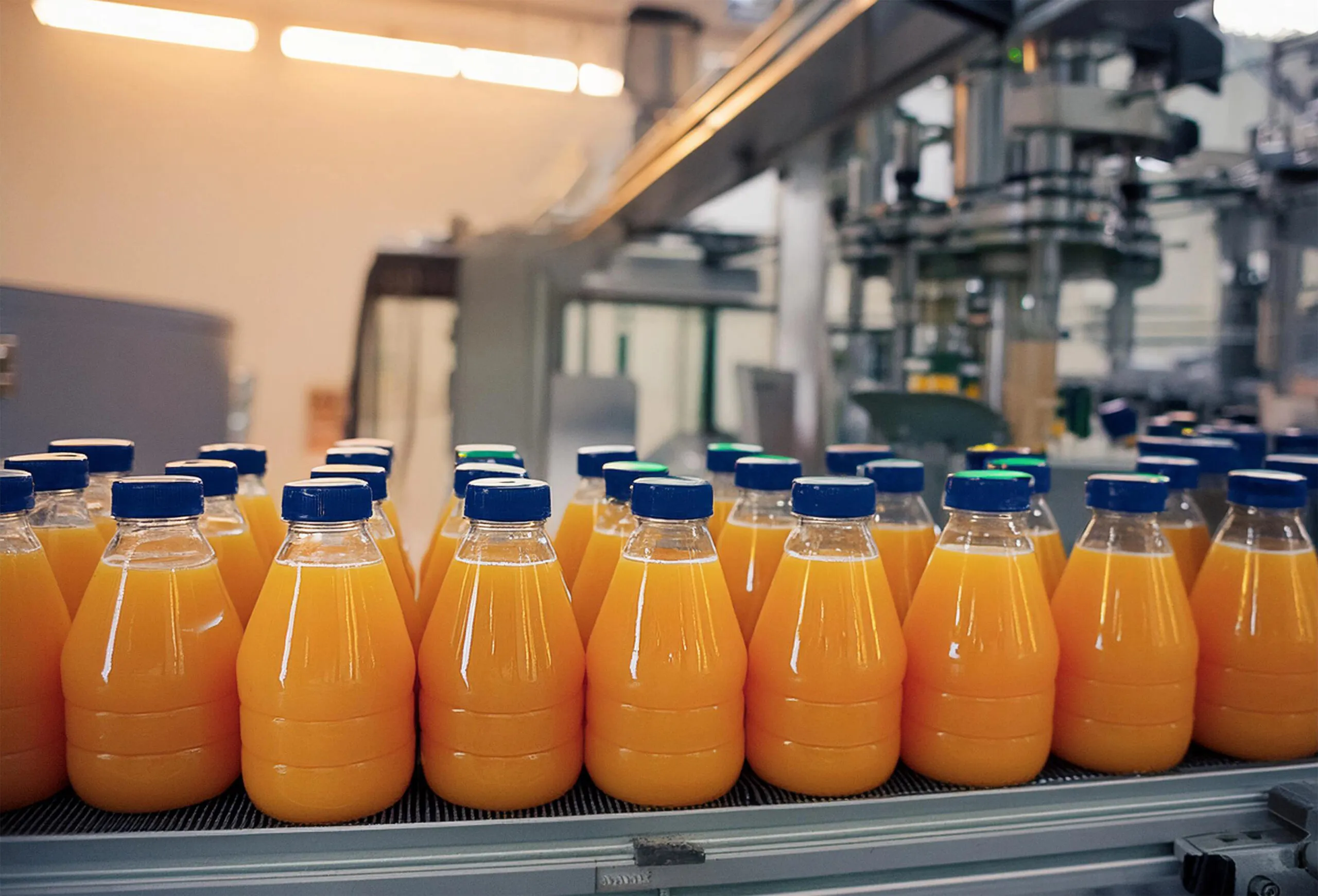
| Food processing | Preventing condensation on packaging lines | 40 to 50% |
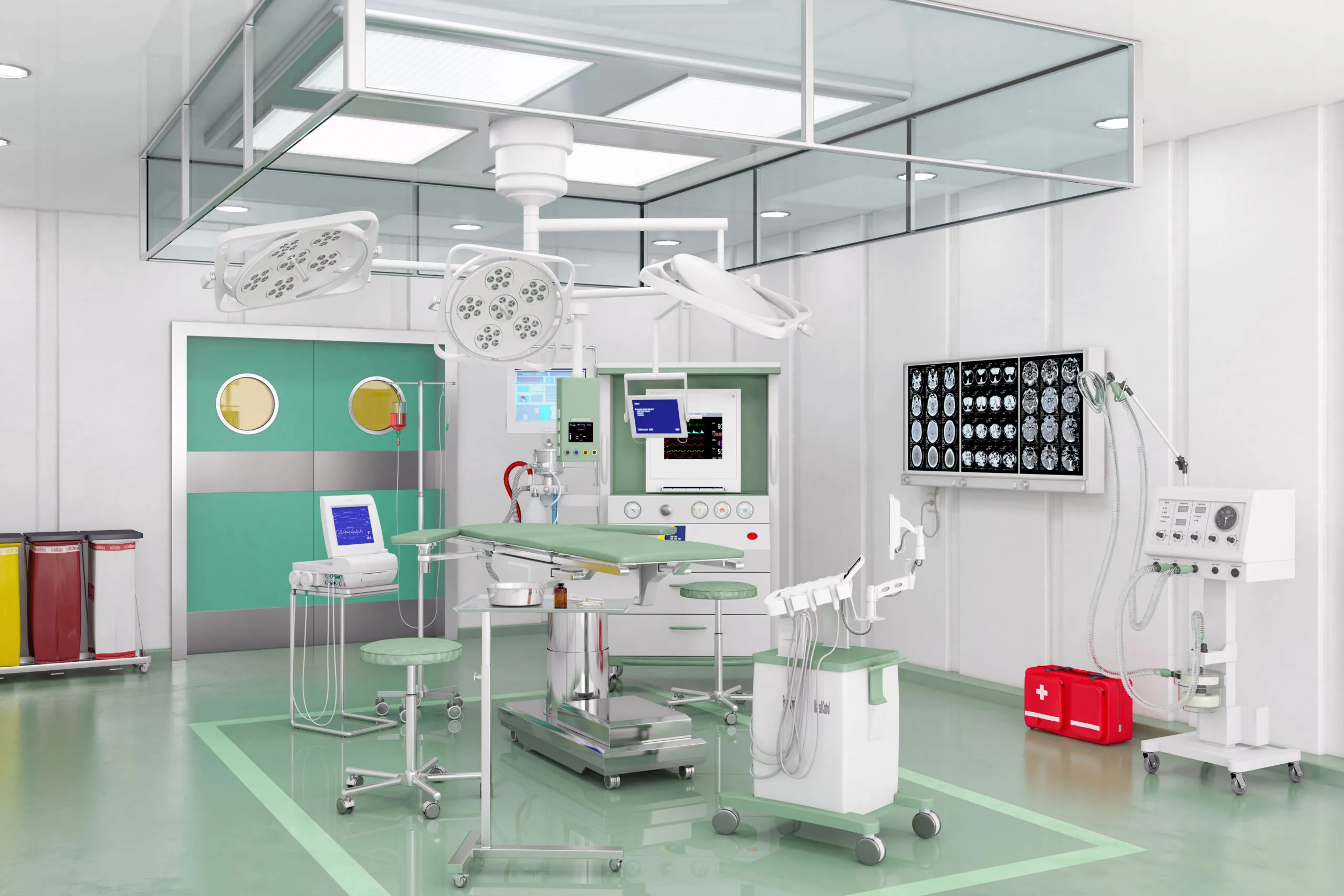
| Pharmaceutical | Maintaining stable conditions in tablet coating and powder handling | 20 to 35% |
| Defence and munitions | Corrosion prevention in storage and assembly | Below 40% |
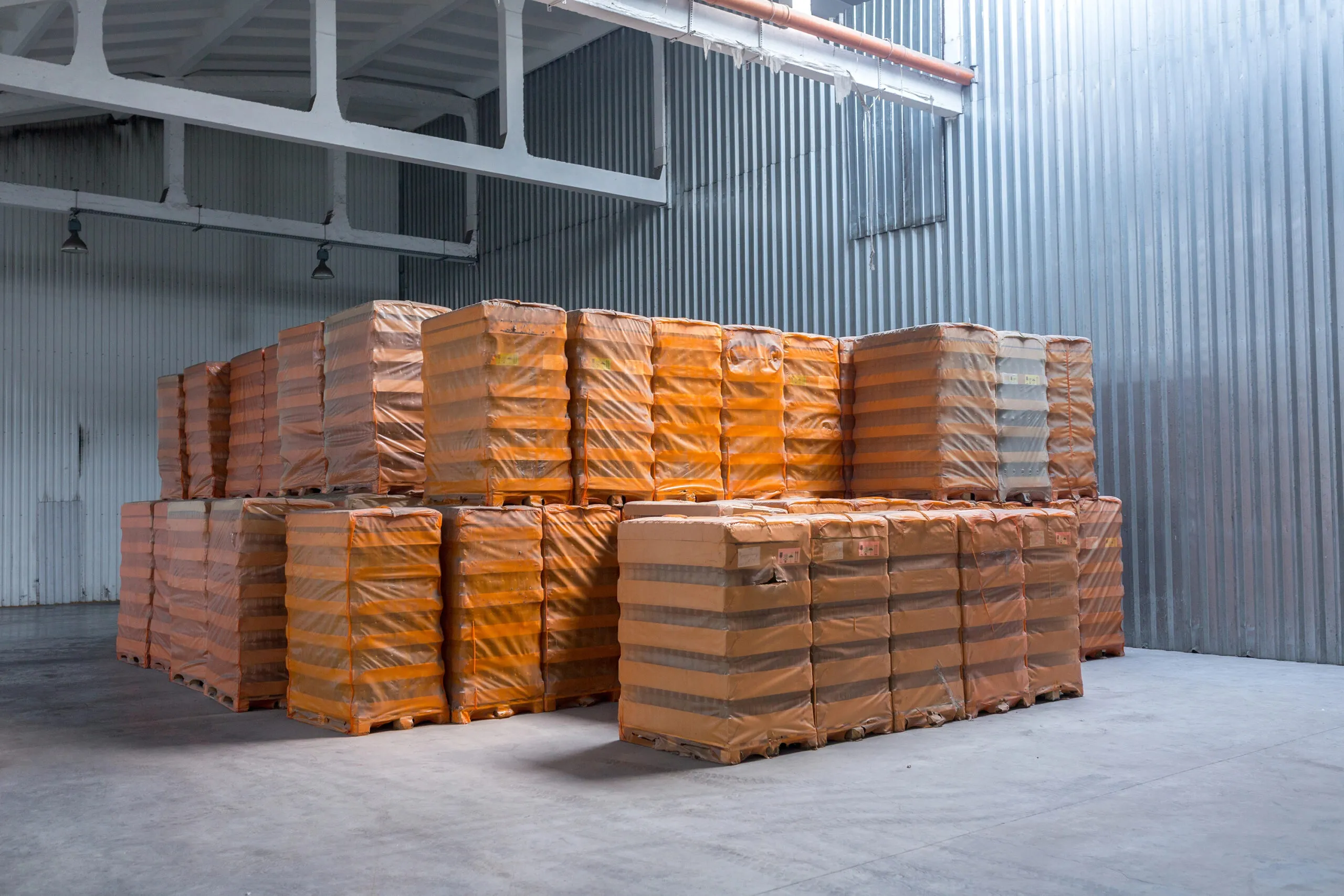
| Cold storage | Eliminating ice build-up on floors and racking | Below 50% |
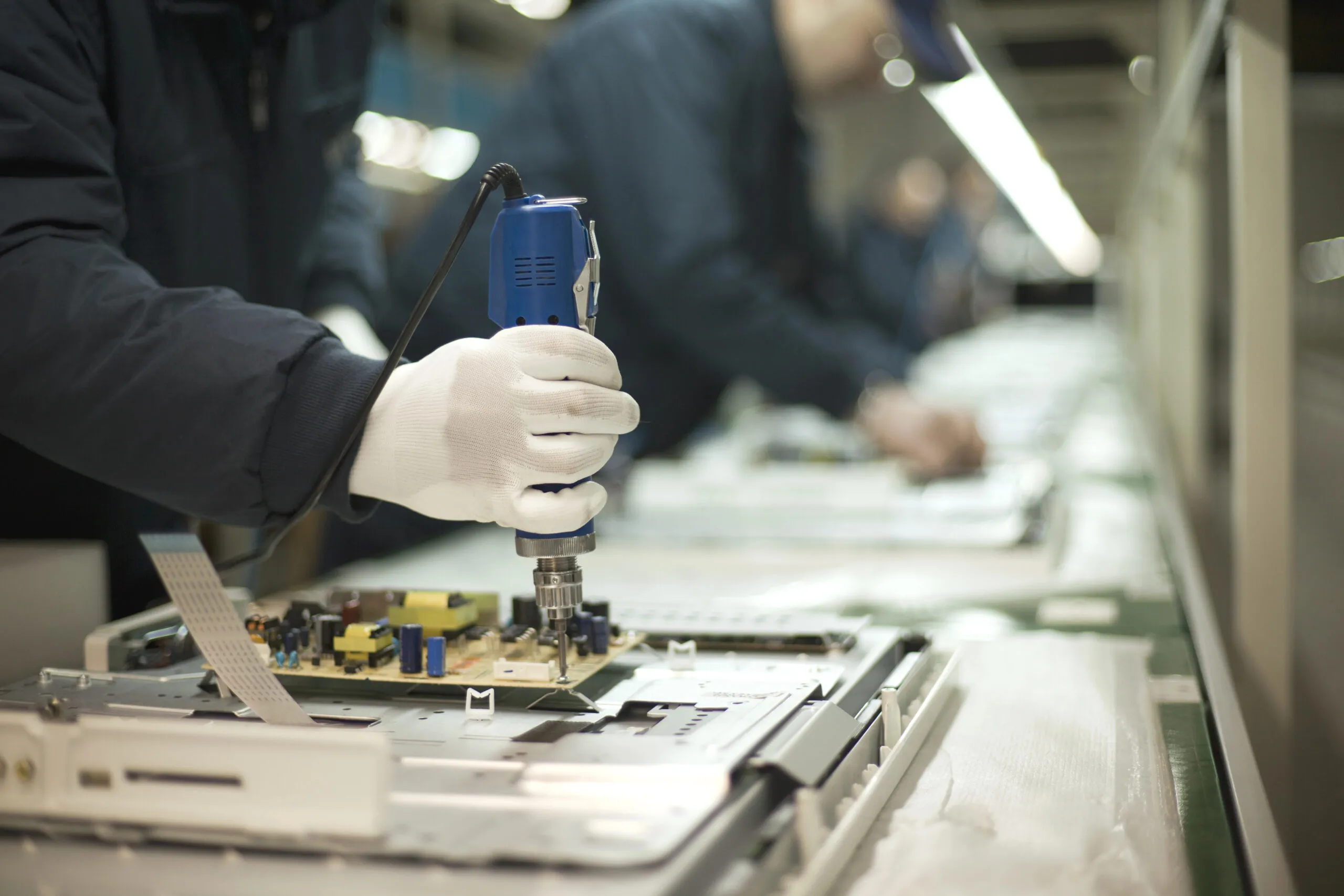
| Electronics manufacturing | Controlling static discharge and component oxidation | 30 to 45% |
| Museums and archives | Preserving paper, textiles and metal artefacts | 45 to 55% |
Moisture Cure has over 28 years of experience supplying humidity control equipment for Australian commercial and industrial conditions. Every enquiry includes expert sizing advice based on the specific building, process and climate factors involved.
Explore the full commercial and industrial dehumidifier range or contact us directly for a site-specific recommendation.
A desiccant dehumidifier uses a rotating wheel coated with moisture-adsorbing material to pull water from the air. A refrigerant unit cools the air below its dewpoint so moisture condenses on cold coils. The practical difference is that desiccant units work at any temperature, while refrigerant units lose capacity below about 15°C and stop working altogether near freezing.
Yes. Desiccant units operate effectively in warm conditions as well as cold. They are particularly useful in summer for facilities that need to maintain very low humidity targets (below 40% RH) that refrigerant units struggle to reach without overcooling the space.
Energy consumption depends primarily on the reactivation heater. A mid-range commercial unit processing 3,000 m³/h typically draws 5 to 12 kW. Gas-fired reactivation reduces electrical consumption significantly on larger installations. Moisture Cure provides energy estimates as part of every sizing consultation.
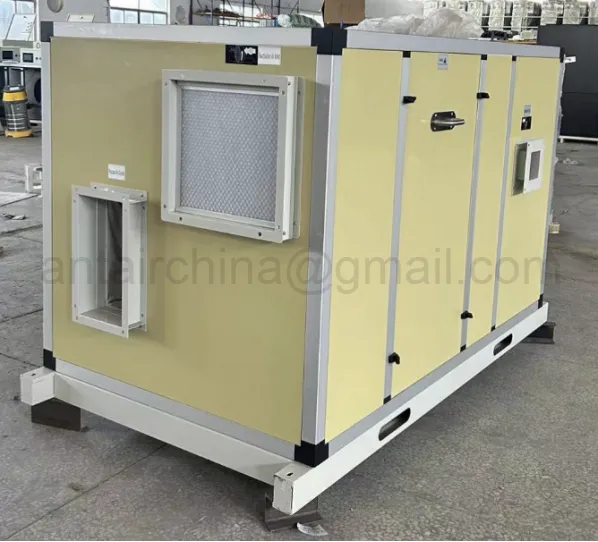
Yes. Most commercial and industrial desiccant units are designed for ducted installation. The dry air outlet connects to the building’s duct network, and the wet reactivation exhaust vents to the outside. Integration with existing HVAC requires coordination on airflow volumes and static pressure.
Routine maintenance includes replacing or cleaning intake air filters (typically quarterly), inspecting the desiccant wheel for contamination, and checking reactivation heater elements and drive belts. Most commercial units have filter-change indicators. Annual professional servicing is recommended for high-duty installations.
Every facility has different moisture loads, temperature ranges and space constraints. Contact Moisture Cure for a consultation tailored to your Melbourne site, and our team will recommend the right desiccant dehumidifier for the job.