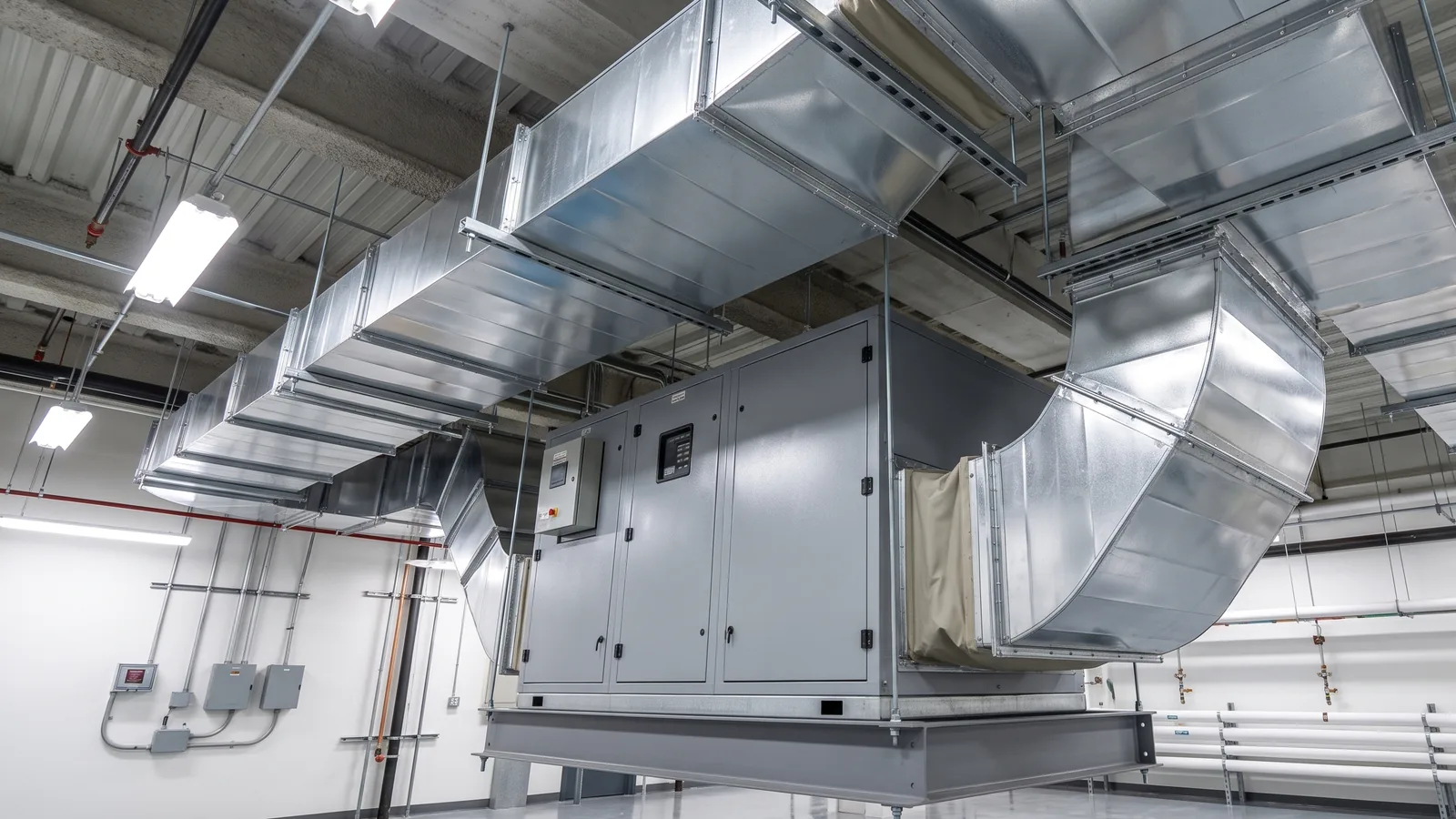
Standard dehumidification equipment rarely matches the moisture challenges inside Australian commercial facilities. Every site operates under different environmental pressures, spatial constraints, and production demands that off-the-shelf units were never designed to handle. Moisture Cure Commercial’s commercial dehumidification solutions are engineered to match these site-specific requirements.
Business Impact of Inadequate Moisture Control
Poor humidity management creates cascading problems across commercial operations. Equipment corrosion, product spoilage, and structural damage represent just the visible costs of improper moisture control.
| Business Area | Impact of Poor Control | Consequence |
|---|---|---|
| Production Output | Reduced efficiency from moisture-sensitive processes | Lost revenue and throughput |
| Equipment Lifespan | Accelerated corrosion and component wear | Premature replacement costs |
| Product Quality | Higher defect and rejection rates | Warranty claims, reputation damage |
| Energy Consumption | HVAC systems working harder against excess moisture | Inflated utility expenses |
| Compliance | Failure to meet industry humidity standards | Fines, audit failures, operational shutdowns |
These impacts compound when facilities rely on undersized or oversized equipment that cycles inefficiently. Custom solutions eliminate these risks by matching dehumidification capacity precisely to actual moisture loads.
Why Standard Dehumidifiers Fail in Commercial Settings
Residential and light-commercial dehumidifiers are built for a single room with predictable conditions. Commercial facilities throw variables at them that they simply cannot handle.
- Multi-zone operations: Different areas within the same building often require distinct humidity setpoints based on activities and materials stored
- Height variations: Mezzanines and high-bay warehouses create moisture stratification that portable units cannot reach
- Airflow obstacles: Racking systems, machinery, and structural elements disrupt moisture removal patterns, leaving pockets of humid air untreated
- Access limitations: Ceiling heights and doorway dimensions restrict equipment sizing and installation options
Production schedules and seasonal variations add another layer. A pharmaceutical facility might require 35% RH during tablet coating but 50% RH during storage periods.
A food processing plant generates massive moisture loads during washdown cycles, then needs the space dried before the next production run.
- Shift patterns: Equipment must ramp up and down efficiently to match occupancy and process activity
- Process moisture: Washing, cooking, or curing operations add humidity loads that standard units cannot keep pace with
- External infiltration: Loading dock activity introduces outside air moisture, particularly during humid Australian summers
- Temperature swings: Cooling cycles can push relative humidity beyond acceptable ranges, triggering condensation on surfaces and products
Industry-Specific Humidity Requirements
Different sectors face distinct moisture challenges that generic equipment cannot address. Precision control becomes essential when product quality, safety, or regulatory compliance depends on maintaining specific conditions.
| Industry | Critical Humidity Range | Primary Risk | Regulatory Reference |
|---|---|---|---|
| Pharmaceutical Manufacturing | 30-50% RH | Product degradation, contamination | TGA Manufacturing Principles (Annex 1), PIC/S GMP |
| Food Processing | 45-65% RH | Microbial growth, packaging failure | FSANZ Food Standards Code, HACCP guidelines |
| Electronics Assembly | 40-60% RH | Electrostatic discharge, solder defects | IPC-A-610 acceptability standards |
| Paper and Archive Storage | 45-55% RH | Curl, brittleness, dimensional change | ASHRAE Chapter 24 (Museums, Galleries, Archives) |
| Museums and Galleries | 45-55% RH | Irreversible material deterioration | ASHRAE Chapter 24, AICCM conservation guidelines |
Facilities operating under TGA or FSANZ oversight face mandatory documentation of environmental conditions. That makes verifiable, precision-controlled dehumidification a compliance requirement, not an operational preference. Urunga Library’s air quality restoration project shows what happens when archive-grade humidity control is retrofitted to a facility that was relying on general HVAC alone.
Desiccant vs Refrigerant: Choosing the Right Technology
The two primary dehumidification technologies serve fundamentally different operating conditions. Selecting the wrong one wastes energy and fails to hold setpoints.
| Factor | Refrigerant Systems | Desiccant Systems |
|---|---|---|
| Effective operating range | Above approximately 15 degrees C ambient | Approximately -20 degrees C to +50 degrees C |
| Best suited for | Warm, moderately humid spaces | Cold stores, deep drying, low-dew-point applications |
| Target RH floor | Around 45% RH (practical lower limit) | Below 30% RH achievable |
| Energy profile | Lower running cost in mild conditions | Higher energy draw but consistent output in extreme environments |
Refrigerant dehumidifiers work well in warehouses, offices, and production halls that stay above 15 degrees C. Below that threshold, the evaporator coil ices over and moisture removal drops sharply, leaving the unit cycling on and off without achieving its setpoint.
Desiccant dehumidification systems maintain full performance in cold storage facilities, chilled processing rooms, and freezer environments where refrigerant technology cannot operate. They also reach lower humidity setpoints, making them essential for pharmaceutical coating rooms, textile manufacturing environments, and electronics production lines.
Many commercial facilities benefit from hybrid configurations that use both technologies in different zones. A cold storage warehouse might run desiccant units in the chilled area while ducted dehumidification systems handle the loading dock and office spaces through existing ductwork. Moisture Cure Commercial’s large-scale deployment for Barrow Island LNG operations is a working example of this kind of multi-zone, multi-technology approach at industrial scale.
Custom System Design Process
Developing effective dehumidification solutions requires systematic evaluation of site conditions and operational requirements. The process ensures equipment selection matches actual needs rather than theoretical calculations alone.
- Moisture load calculation: Quantify all sources including infiltration through the building envelope, process moisture from production operations, occupant respiration, and product off-gassing
- Airflow mapping: Identify dead zones and circulation patterns affecting moisture distribution across the facility
- Integration planning: Evaluate existing HVAC systems and building management infrastructure for compatibility
- Capacity modelling: Simulate performance under peak, average, and seasonal operating scenarios to avoid both undersizing and oversizing
- Redundancy requirements: Determine backup needs for critical operations where downtime risks product loss or compliance breaches
Getting the moisture load calculation wrong is where most off-the-shelf installations come unstuck. A facility manager who sizes a dehumidifier based on floor area alone misses process moisture, infiltration rates, and seasonal peaks entirely.
Integration with Building Systems
Modern facilities need dehumidification equipment that communicates with building management systems and coordinates with HVAC operations. Standalone units operating independently waste energy and create control conflicts between heating, cooling, and dehumidification.
- Demand-based operation: Systems activate only when moisture levels exceed setpoints, reducing unnecessary runtime
- Load sharing: Multiple units coordinate to optimise efficiency across zones
- Predictive control: Weather data and production schedules inform preemptive operation before humidity spikes
- Alarm management: Centralised monitoring prevents undetected failures from damaging stock or equipment
- Energy reporting: Track consumption patterns for ongoing optimisation and sustainability reporting
For facilities with existing ductwork, ducted systems integrate with air handling units to provide whole-building moisture control without standalone equipment cluttering production floor space. Ducted dehumidifiers in commercial buildings covers the integration mechanics in more detail.
Performance Validation and Ongoing Optimisation
Custom solutions require thorough commissioning to verify that design parameters translate to real-world performance. Post-installation monitoring then identifies optimisation opportunities that improve both efficiency and reliability over time.
- Baseline establishment: Document existing conditions before system activation
- Performance mapping: Test operation across the full capacity range, including worst-case moisture loads
- Control tuning: Adjust setpoints and deadbands for stable, efficient operation without excessive cycling
- Integration testing: Verify communication with building management systems and alarm pathways
- Operator training: Ensure staff understand system capabilities, alarm responses, and maintenance schedules
Seasonal changes and evolving operations require periodic adjustment. Quarterly performance reviews and annual system audits help ensure equipment continues meeting specifications while keeping energy consumption in check.
Return on Investment
Custom dehumidification solutions deliver value through multiple channels beyond moisture control alone. Understanding the health and operational benefits of maintaining proper humidity levels helps facility managers build the business case for engineered systems over generic equipment.
| Value Driver | Typical Outcome | How to Measure |
|---|---|---|
| Energy Efficiency | Lower consumption compared to oversized or generic units cycling inefficiently | Utility bill comparison, before and after installation |
| Product Quality | Fewer moisture-related defects and rejections | Quality control records and rejection rates |
| Equipment Protection | Extended service life from reduced corrosion exposure | Maintenance logs and replacement intervals |
| Productivity | Higher output from stable, predictable operating conditions | Production metrics against historical baselines |
| Compliance | Continuous adherence to industry humidity standards | Audit and inspection results |
These improvements compound over time. The prevention of a single product recall, equipment failure, or compliance fine often justifies the entire system cost on its own. Facilities with humidity-sensitive operations typically see the strongest returns, particularly in pharmaceutical manufacturing, food processing, and mining equipment storage where corrosion damage can write off high-value assets.
Frequently Asked Questions
What makes a dehumidification solution “custom” rather than standard?
A custom solution is designed around a specific facility’s moisture loads, spatial layout, operating temperatures, and compliance requirements. Standard off-the-shelf dehumidifiers are sized for generic room volumes and typical conditions. Custom systems account for variables like process moisture from production lines, multi-zone setpoints, cold storage temperatures, and integration with existing HVAC and building management infrastructure.
At what temperature does a refrigerant dehumidifier stop working effectively?
Refrigerant dehumidifiers lose meaningful performance below approximately 15 degrees C. At lower temperatures, the evaporator coil ices over and the unit cycles on and off without removing useful amounts of moisture. Desiccant dehumidifiers operate effectively from around -20 degrees C to +50 degrees C, making them the only viable option for cold stores, chilled processing rooms, and freezer environments.
How is moisture load calculated for a commercial facility?
Moisture load calculation accounts for all humidity sources within a space: infiltration from outside air (especially through loading docks and frequently opened doors), process moisture from washing, cooking, or curing operations, occupant respiration, and product off-gassing. Engineers also factor in seasonal variation, peak production schedules, and the building envelope’s vapour permeability. The result determines the dehumidification capacity needed to maintain target conditions under worst-case scenarios.
Which Australian industries are legally required to control humidity?
Pharmaceutical manufacturers must comply with TGA Manufacturing Principles and PIC/S GMP guidelines, which mandate documented environmental controls including humidity. Food processing facilities operate under the FSANZ Food Standards Code and HACCP principles, where moisture control is critical to preventing microbial contamination.
Healthcare facilities follow AS/NZS 1668.2 for ventilation and indoor air quality. While not all industries have explicit humidity regulations, many face audit and insurance requirements that effectively mandate controlled environments.
Can a custom dehumidifier system be integrated with existing HVAC?
Yes. Ducted dehumidifiers connect directly to existing air handling systems and ductwork, providing whole-building moisture control without requiring standalone equipment on the production floor. Modern systems also integrate with building management systems for demand-based operation, centralised monitoring, and energy reporting. The site assessment phase evaluates existing infrastructure to determine the most efficient integration approach for each facility.
Ready to address moisture challenges in your commercial or industrial facility? Browse the full commercial and industrial dehumidifier range or contact Moisture Cure Commercial for a site assessment and tailored equipment recommendations.