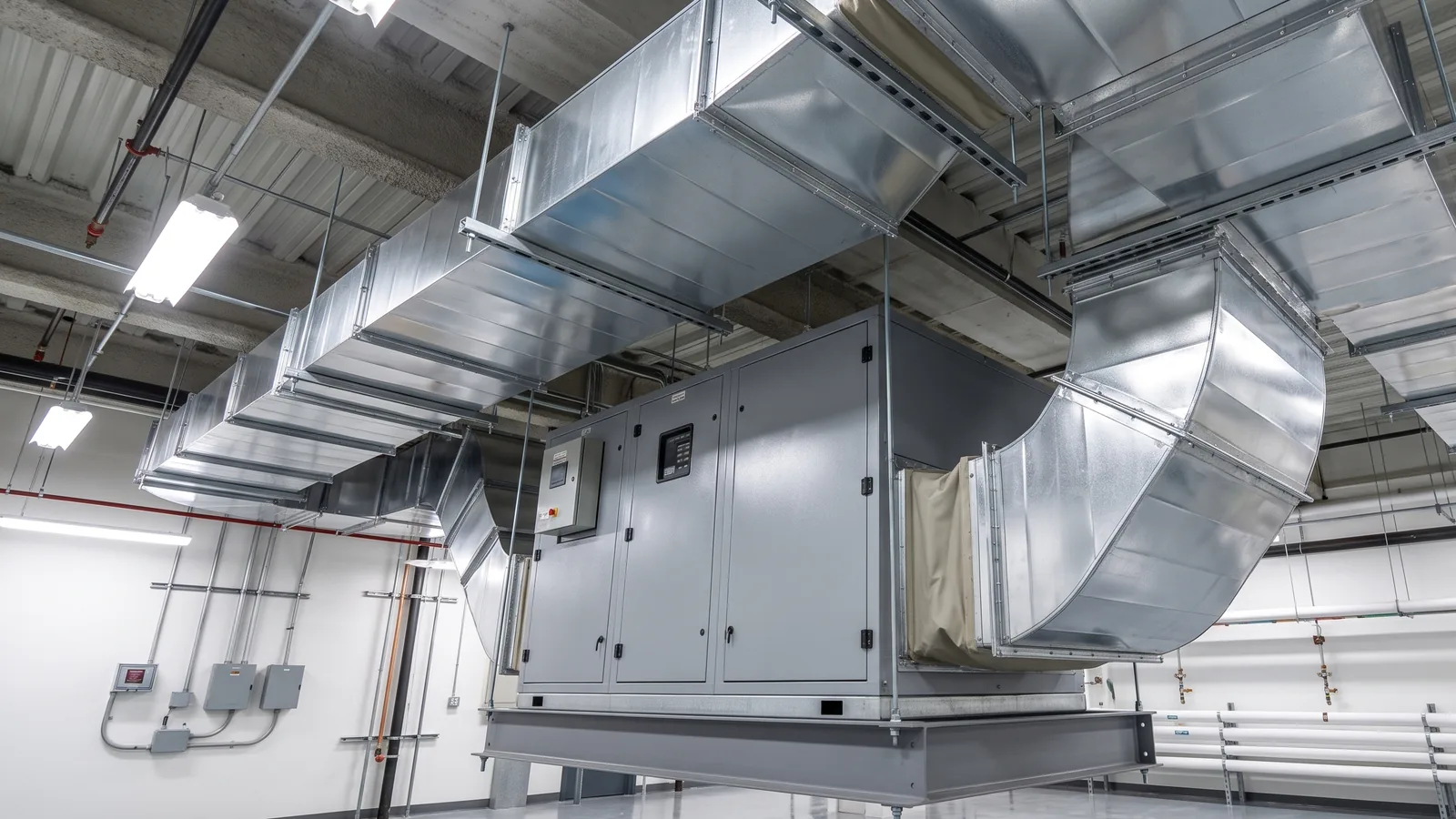
The choice of equipment matters in commercial water damage restoration, and choosing an industrial dehumidifier for the site is part of that assessment. Without adequate moisture removal, wet building materials continue releasing water vapour into the air and slow the drying process.
Flooding, burst pipes, roof leaks, and fire suppression events all leave commercial buildings saturated. Air movers push airflow across wet surfaces, while industrial dehumidifiers remove the moisture released into the air so the drying cycle can continue.
Speed matters. The US Environmental Protection Agency (EPA) recommends responding to clean-water damage within 24 to 48 hours to help prevent mould growth.
That is a response window, not a guaranteed drying time or a deadline after which every material must be discarded. Act as soon as the site is safe to enter and the water source is controlled.
Why Water Damage Restoration Needs Industrial Dehumidifiers
Equipment selected for routine humidity control may not suit a saturated commercial building. Restoration requires capacity at the actual site temperature and humidity, suitable drainage or exhaust, and access to wet materials.
Industrial dehumidifiers differ from smaller units in several ways that matter during restoration.
- Moisture removal capacity: Compare litres per day at the same test temperature and relative humidity (RH). A headline rating measured in warm, humid conditions may exceed the output available on a cooler restoration site.
- Airflow volume: Higher fan capacity means conditioned air reaches further into the affected space, reducing dead zones where moisture lingers behind walls and under flooring.
- Continuous duty cycle: Specify equipment approved by its manufacturer for extended operation. Check duty rating, defrost behaviour, drainage and the available electrical supply before leaving it running.
- Ducting capability: Many industrial units accept ducting to direct dry air into wall cavities, ceiling voids, and under raised floors where moisture hides.
- Rugged construction: Check wheels, handles, transport weight and access through doors or loading areas. Stackability and forklift handling are model-specific features, not assumptions to make about every industrial unit.
For restoration contractors and facility managers, selecting suitable industrial dehumidification equipment for restoration helps match the drying system to the moisture load. Confirm availability and delivery arrangements before relying on equipment in an emergency plan.
Desiccant vs Refrigerant Dehumidifiers for Restoration
The two main dehumidifier technologies used in water damage work are refrigerant (compressor-based) and desiccant. Each has a clear operating window, and choosing the wrong type slows the job down.
| Factor | Refrigerant, including LGR | Industrial desiccant |
|---|---|---|
| How it removes moisture | Cools air to condense water on a coil | Adsorbs moisture onto a desiccant, then releases it during regeneration |
| Best conditions | Generally suited to warm, humid drying zones | Useful in cooler zones or where a lower dew point is required |
| Cooler-site performance | Output typically falls as temperature drops; defrost and minimum operating limits vary by model | Avoids reliance on a cold condensing coil, but output still depends on inlet conditions and regeneration energy |
| Drying endpoint | Select for the site conditions and material drying goals | Select for the required dew point and material drying goals |
| Energy demand | Assess electrical input at the expected operating conditions | Include regeneration heat and fan power in the assessment |
| Ducting | Check model-specific adaptors and permitted duct lengths | Check supply, return and regeneration duct requirements |
| Moisture discharge | Liquid condensate needs a suitable drain or pump | Many industrial rotary systems exhaust moisture through a separate regeneration-air stream |
For warm, humid drying zones, commercial refrigerant dehumidifiers with suitable drainage can remove water as condensate without a separate regeneration-air exhaust. Low-grain refrigerant (LGR) designs extend refrigerant drying performance into lower moisture conditions, but their operating limits remain model-specific.
Large restoration jobs may use both technologies in separate drying zones. Advice on selecting refrigerant equipment for commercial spaces should be considered alongside desiccant equipment for cooler drying zones, because desiccant systems can suit cold areas or lower dew-point requirements.
Temperature alone does not determine the choice: check the moisture-removal curve, minimum operating temperature and defrost behaviour for the proposed model. Understanding why refrigerant performance falls at lower temperatures helps avoid selecting equipment from its headline rating alone.
The Drying Process Step by Step
Effective water damage restoration follows a structured drying protocol. The sequence starts with safety and extraction, then moves to drying and verification.
- Water extraction. Control the water source and confirm electrical and structural safety before entry or equipment use. Remove standing water with suitable pumps and wet vacuums before relying on evaporation.
- Moisture mapping. Use moisture meters to identify affected materials behind walls, under flooring and in ceiling cavities, with access arranged where required. Thermal imaging can help locate suspect areas, but temperature patterns need confirmation with moisture measurements.
- Air mover placement. Position air movers to create airflow across accessible wet surfaces once contamination has been assessed. Floodwater, sewage or visible mould may require containment and remediation before general air movement is appropriate.
- Dehumidifier deployment. Place industrial dehumidifiers to capture moisture evaporating from wet materials. Without sufficient moisture removal, relative humidity rises and drying slows.
- Monitoring and adjustment. Take daily moisture readings and adjust equipment placement as material readings change. Equipment can be moved from dry areas to those still holding moisture.
- Verification and sign-off. Confirm retained materials meet the agreed drying goals using a suitable test method and unaffected reference materials where appropriate. A single percentage tolerance is not valid for every material or meter.
Humidity, airflow and temperature work together during structural drying. Increasing airflow without enough moisture removal can raise humidity, while poor airflow or inaccessible assemblies can leave materials wet even when room humidity has fallen.
How Many Dehumidifiers Does a Restoration Job Need
Under-sizing can delay commercial restoration, but floor area alone does not give a reliable equipment count. A nominal litres-per-day rating must be checked against site conditions, affected materials and the amount of moisture entering the drying zone.
Sizing depends on several variables.
- Volume of the affected space: Calculate cubic metres as length × width × ceiling height. Use that volume alongside the extent of wet materials, rather than assuming capacity increases in direct proportion to room size.
- Water category and class: Have the restoration contractor assess contamination separately from the extent of wet materials. The contamination assessment affects cleaning and containment; the drying assessment affects equipment selection.
- Material types: Concrete, timber, plasterboard, carpet and underlay release moisture differently. Material thickness, coatings and trapped layers can matter as much as the exposed surface area.
- Ambient conditions: A restoration job in tropical Cairns during summer faces far higher ambient humidity than one in Melbourne during winter. The dehumidifier must overcome both the moisture from the damage and the moisture entering from outside.
- Building seal: Every open door, window, or ventilation intake allows humid outside air to enter. A well-sealed building dries faster with less equipment.
The IICRC S500 water damage restoration standard covers drying technology, equipment, inspections and project documentation. Obtain a site-specific drying plan and check the differences between commercial and industrial equipment against that plan.
Moisture Cure Commercial can help with dehumidifier sizing for the affected space using the site assessment and operating conditions.
Setting Up a Commercial Drying Zone
A drying zone gives the equipment a defined space to treat. Plan its boundaries with the restoration contractor so dry-air circulation does not carry contaminants into occupied areas.
- Keep equipment intakes and outlets clear, following the model’s required clearances.
- Route refrigerant condensate to an approved discharge point, checking pump lift limits and hoses for kinks or leaks.
- For rotary desiccant systems, arrange regeneration-air exhaust and any make-up air as specified in the manufacturer’s installation instructions.
- Have a competent person check the electrical supply, combined equipment load and cable routing before extended operation.
- Keep access routes open and record each unit’s location so the drying plan can be reviewed.
Drying does not clean contaminated materials or remove established mould. The EPA commercial-building remediation guidance calls for a plan addressing the moisture source, removal or cleaning of affected materials, and containment.
Where water has collected beneath a building, investigate drainage and the source before treating room humidity alone. Moisture Cure Commercial’s subfloor moisture and groundwater remediation at a veterinary clinic provides a relevant example of this separate moisture pathway.
Common Mistakes That Delay Water Damage Drying
Drying can stall when equipment capacity, airflow or access to wet materials is inadequate. The following mistakes make progress harder to assess and correct.
- Relying on air movers alone. Air movers accelerate evaporation but do not remove water vapour from a closed drying zone. Check that dehumidification or a deliberately designed ventilation system can carry that moisture away.
- Using equipment without a drying assessment. A unit suited to routine humidity maintenance may be under-sized for saturated materials. Check its actual extraction performance, drainage and duty rating against the restoration plan.
- Not monitoring moisture levels. A dry surface is not proof that the assembly is dry. Materials can hold moisture deeper within, so record material readings as well as room humidity.
- Opening windows without checking outdoor conditions. Warm, humid outdoor air can add moisture, while cold, dry air may support a planned ventilation strategy. The EPA moisture-prevention guidance distinguishes these conditions; opening windows is not a substitute for a controlled drying plan.
- Removing equipment too early. Moisture can migrate from deeper layers after exposed surfaces dry. Check the affected assemblies against their drying goals before equipment is removed.
- Ignoring hidden cavities. Water travels through wall cavities, under slab edges, and along pipe penetrations. Accessible surfaces can look dry while moisture remains behind linings, so include concealed areas in the assessment.
How Long to Run Dehumidifiers After Water Damage
Run the drying system until retained materials meet the agreed drying goals, with duration reassessed from site readings. An elapsed number of days, a dry-feeling carpet or a fall in room RH does not establish that the whole assembly is dry.
The EPA guidance on moisture meters identifies material measurements as a way to monitor drying after water damage. Keep those measurements separate from temperature and RH readings, which describe the air.
| Record in the drying log | Why it matters |
|---|---|
| Material, location, instrument and test method | Allows meaningful comparison of repeated readings at the same points |
| Unaffected reference readings and agreed drying goals | Provides a basis for deciding when each retained material is sufficiently dry |
| Temperature, RH and, where used, calculated dew point | Shows changes in drying conditions without treating air readings as material readings |
| Equipment operation, drain or exhaust condition, and adjustments | Helps explain stalled progress or unexpected changes |
If material readings stop improving, check for continuing leaks, inaccessible wet layers, poor circulation or equipment operating outside its rated conditions. Confirm any separate flooring-test requirements before reinstatement, and retain the drying record for the facility’s handover.
Industries Most Affected by Water Damage
While any commercial building can suffer water damage, some industries face higher risk due to the nature of their operations, the value of their contents, or regulatory requirements for indoor air quality.
- Warehousing and logistics: Large floor areas, concrete slabs that absorb water, and high-value stock that must stay dry. Flood damage to a distribution centre can disrupt supply chains for weeks.
- Healthcare facilities: Hospitals and aged care facilities need restoration coordinated with infection-control and facilities teams. Reopening requires the relevant clinical and operational checks, as well as structural drying.
- Food processing and cold storage: Water damage raises food-safety concerns alongside structural damage. The drying challenges in cold storage environments include low temperatures that can limit refrigerant output, requiring equipment selected for the actual cold-room conditions.
- Data centres and server rooms: Direct water exposure can damage electronics, while humid air can condense on surfaces below its dew point. Coordinate drying with electrical assessment and the facility’s operational requirements.
- Manufacturing: Production downtime during restoration is expensive. Pharmaceutical and electronics manufacturers, as well as facilities with strict humidity requirements in automotive manufacturing, need their operating conditions restored before production resumes.
- Commercial offices and retail: Carpet, partition walls, and suspended ceilings absorb water readily. Assess whether materials can be cleaned and dried, or need removal because of damage or contamination.
For facilities in flood-prone areas, agree equipment specifications and supply arrangements before an event occurs. Moisture Cure Commercial supplies ducted dehumidifier systems for distributing dry air, which can suit large or separated spaces when the ductwork and airflow are properly designed.
Preventing Future Water Damage with Ongoing Humidity Control
Restoration addresses the immediate water damage. Ongoing humidity control can manage residual moisture and condensation, but preventing another flood or leak requires repairs to the water source and building vulnerabilities.
After restoration, review the location, building design, drainage and plumbing faults that contributed to the event. A dehumidifier cannot compensate for an unrepaired leak or inadequate stormwater drainage.
- Permanent dehumidification: Set humidity limits to suit the building and its contents, and check for condensation at cold surfaces. Room RH alone cannot establish that concealed materials are dry or that mould is absent.
- Humidity monitoring: Automated sensors with alarm thresholds alert facility managers to rising humidity before it becomes a problem. Early detection can prevent a minor leak from becoming a major restoration job.
- Building envelope improvements: Sealing gaps, improving drainage, and upgrading plumbing reduce the likelihood and severity of future water events.
- Emergency response plan: Knowing where to source industrial dehumidifiers, who to call for extraction, and where to find the building’s moisture-vulnerable areas saves time when every hour counts.
The EPA recommends keeping indoor RH below 60%, ideally 30 to 50% where possible, as part of its mould-prevention recommendations for commercial buildings. These are general prevention recommendations, not universal restoration sign-off limits or process specifications.
Water Damage Restoration FAQs
The following answers support equipment planning. A site assessment determines the drying and remediation work needed for a particular building.
Equipment selection and setup
What type of dehumidifier is best for commercial water damage restoration?
Select the technology for the site temperature, moisture load and required drying endpoint. Refrigerant equipment commonly suits warm, humid zones, while desiccant equipment can suit colder zones or a lower required dew point; check model-specific performance before specifying either.
Does a dehumidifier remove standing floodwater?
No, a dehumidifier removes water vapour from the air. Control the source and extract standing water first, then use a planned drying system for retained wet materials.
How many industrial dehumidifiers will a flooded warehouse need?
There is no reliable count based only on floor area. Provide the assessor with building volume, wet-material details, site temperature and RH, outdoor-air entry and equipment performance data so capacity can be selected for the actual job.
Can dehumidifiers run overnight during restoration?
They may run for extended periods if the manufacturer permits it and the site setup supports that duty. Confirm electrical suitability, drainage or regeneration exhaust, clearances and the monitoring arrangements before leaving equipment operating.
Drying progress and completion
Should doors and windows stay closed during drying?
Follow the drying plan for the zone. Uncontrolled warm, humid air can add moisture, while a designed ventilation or exhaust arrangement may require make-up air; avoid changing the setup without checking with the contractor.
Can air movers replace a dehumidifier?
Air movers encourage evaporation from wet surfaces but do not remove water vapour from a closed room. A drying plan needs a route for that vapour to leave, through dehumidification or suitable controlled ventilation.
Does low room humidity mean the walls and floor are dry?
No, room RH describes the air and cannot establish moisture conditions inside walls or beneath flooring. Use appropriate material measurements and the agreed drying goals before closing cavities or reinstating finishes.
Can dehumidification restore every water-damaged material?
No, some materials require removal because of contamination, physical damage or inaccessible moisture. A restoration assessment should decide what can be retained, cleaned and dried before equipment is specified.
When should the drying equipment be removed?
Remove it when retained materials meet the documented drying goals and the contractor has checked the affected assemblies. If readings have stalled or hidden layers remain wet, investigate the cause before ending the drying programme.
Contact Moisture Cure Commercial for a consultation or site assessment covering restoration equipment selection and ongoing humidity control. Share the affected area, materials, temperature and moisture readings so we can advise on suitable equipment for your facility.